Images chosen by Narwhal Cronkite
Alabama Woman Sues After Allegedly Giving Birth on Prison Floor
In a shocking case likely to spark national debate, Alabama resident Tiffany McElroy has filed a federal lawsuit alleging she was forced to endure labor and childbirth on a prison floor while guards watched, neglecting their duty to assist. The incident, which took place in May 2024, has raised questions about prison healthcare policies, dignity for incarcerated women, and systemic neglect within correctional facilities.
A Gripping Account of Fear and Neglect
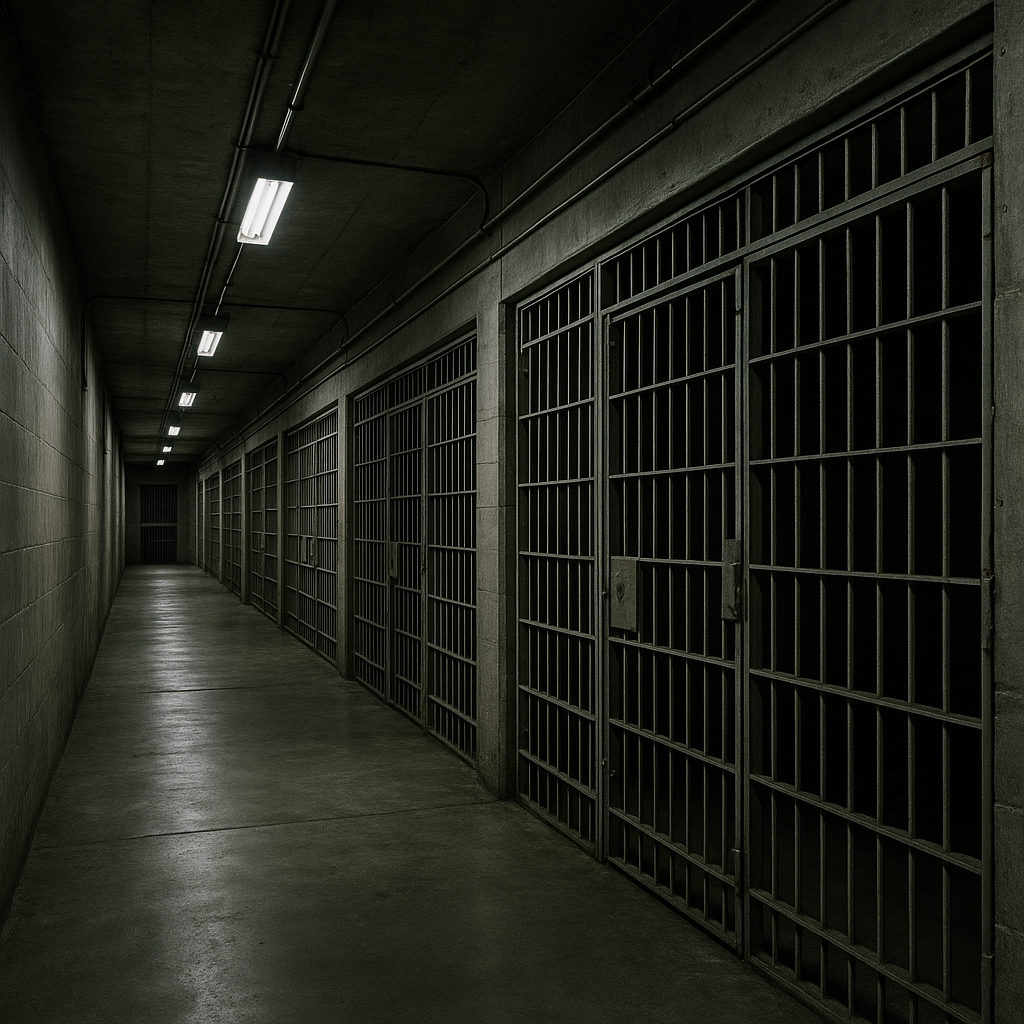
As detailed in her legal filing, McElroy, then 27, was booked into the Houston County Jail on charges linked to alleged substance use during pregnancy. Three days later, her water broke weeks earlier than expected, signaling a medical emergency. She claims her pleas for help went unanswered and was instead met with dismissal and ridicule from jail staff.
The legal complaint asserts that over the next 24 hours, McElroy endured severe pain and mounting fear as her condition worsened. When she informed a guard of the situation, she was reportedly accused of simply wetting herself and ordered back to her cell. Her calls for 911, echoed by other inmates who actively pleaded for intervention, were allegedly ignored.
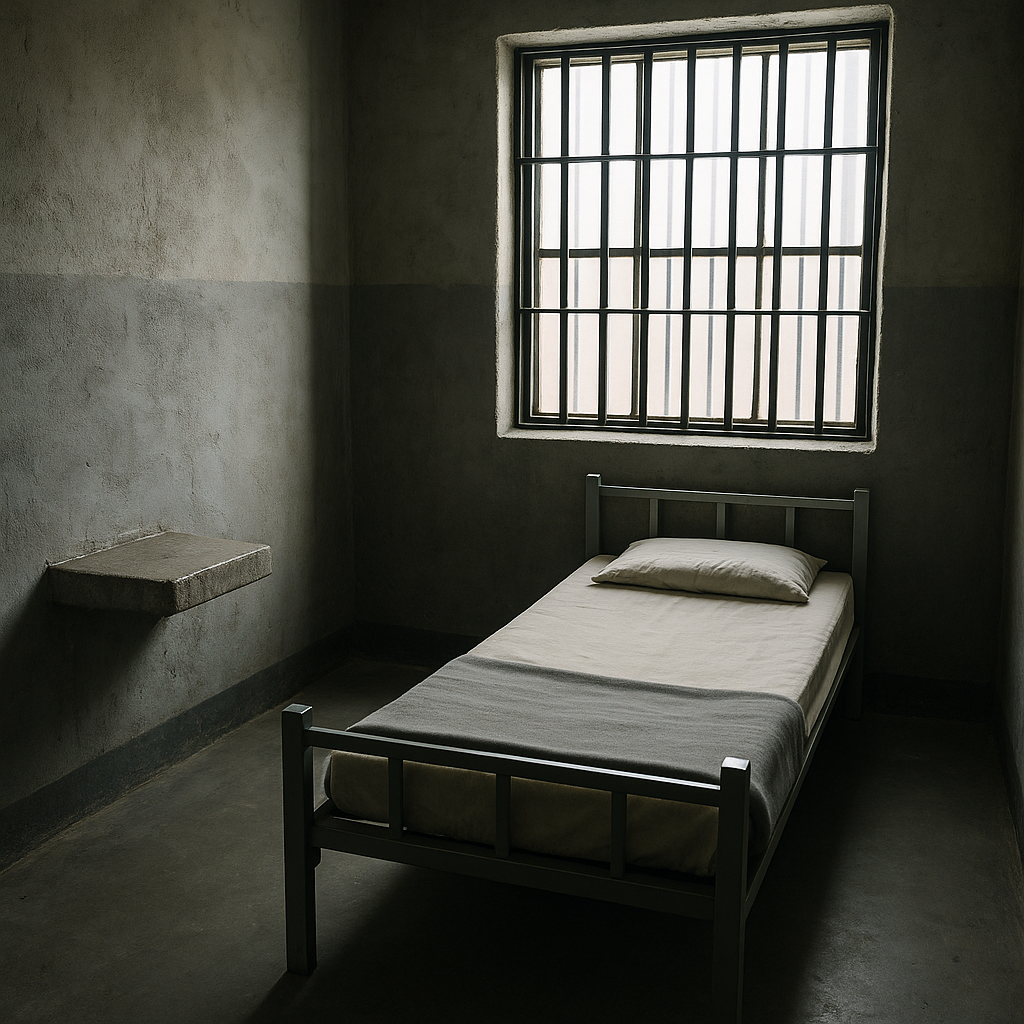
Ultimately, McElroy gave birth on the floor of her cell, where other incarcerated women intervened to save the life of her newborn. The guards, accused of standing by and watching, reportedly subjected the baby to verbal abuse even after birth. One guard allegedly remarked, “Y’all should’ve pushed that motherf***ing baby back in,” an act of cruelty that further underscores the disturbing allegations in the lawsuit.
Legal Stakes and Broader Implications
The lawsuit, filed with the support of Pregnancy Justice, alleges violations of McElroy’s civil rights and gross negligence on the part of prison staff. Legal experts are examining the case as emblematic of broader issues in how incarcerated pregnant women are treated in the United States.
According to the Prison Policy Initiative, the United States is one of the few countries where pregnant women are routinely incarcerated. Such situations are exacerbated by the lack of clear policies for providing prenatal care in jails and prisons. A 2021 report by the National Commission on Correctional Health Care found that over half of U.S. correctional facilities fail to meet minimum standards for prenatal care.
McElroy’s ordeal highlights the glaring gaps in prison healthcare systems, particularly for vulnerable populations such as pregnant women. Her case underscores the risks of criminalizing pregnancy outcomes and substance use, a controversial practice that critics argue disproportionately affects marginalized communities.
The Role of Fellow Inmates: A Story of Humanity
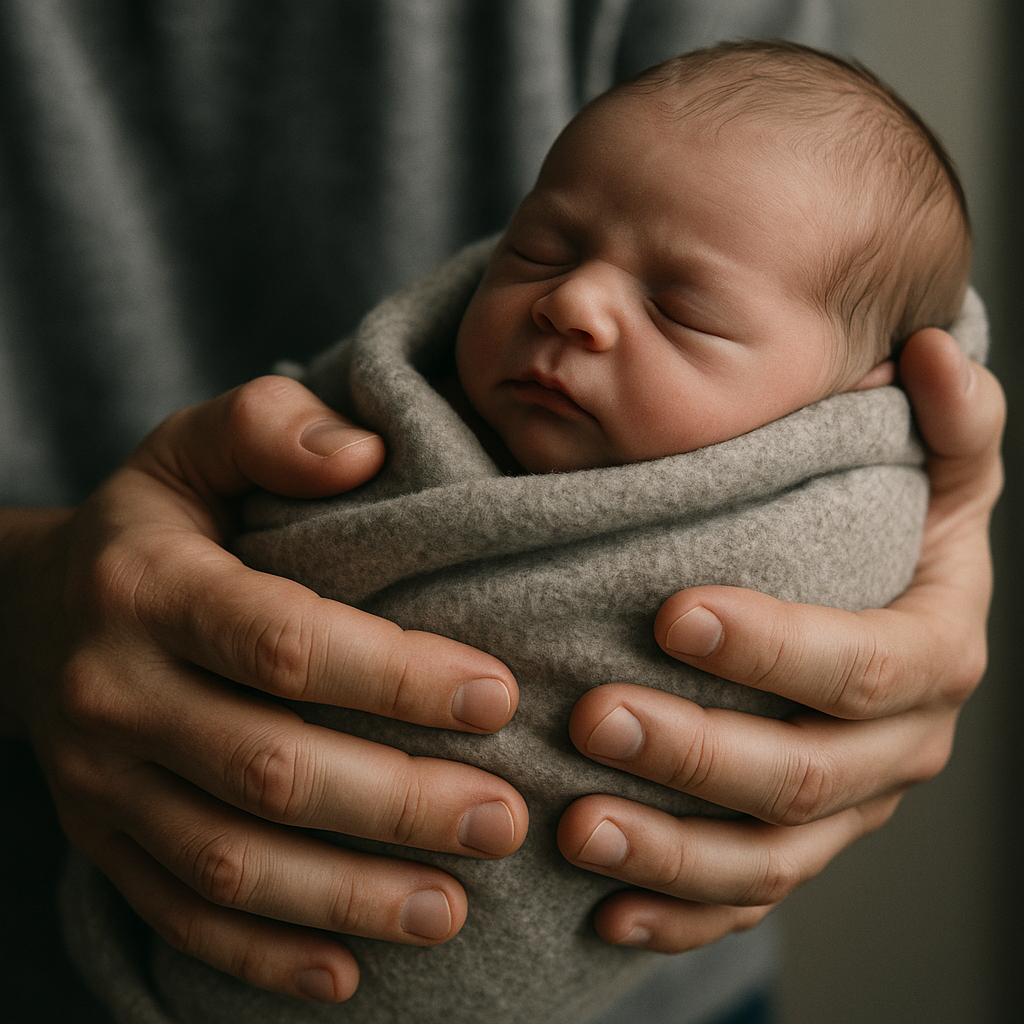
Amid the alleged neglect by jail staff, McElroy’s fellow inmates played a pivotal role in preventing a tragedy. According to the lawsuit, two women housed in the same pod assisted in the birth, clearing mucus from the baby’s mouth and rubbing her until she — miraculously — began to cry. Their actions likely saved the newborn’s life and added a beacon of humanity to an otherwise horrific account.
This act of compassion draws critical attention to the camaraderie and mutual support often prevalent among incarcerated individuals. However, the prisoners were reportedly punished afterward by jail staff, facing restrictions on outdoor, religious, and communication privileges — a move McElroy’s legal team has described as retaliatory.
Are Prisons Prepared for Pregnancy?
The central question arising from this case probes whether American prisons are adequately equipped to handle pregnancies. While correctional facilities are obligated to provide healthcare, advocates for prison reform suggest that the care provided often falls far short of acceptable medical standards.
Reproductive rights activist Dr. Sarah Bennett told NarwhalTV, “This case painfully demonstrates the consequences of systemic neglect. Pregnant women need consistent access to medical care, full stop. What happened to Tiffany McElroy should never have occurred in any facility claiming to uphold human rights.”
Data from organizations like Pregnant Behind Bars reinforces Bennett’s concerns. They estimate that fewer than 20% of correctional facilities provide consistent prenatal supplements, and postnatal care remains similarly sparse. Situations like McElroy’s reinforce arguments for more humane incarceration practices, including alternatives to imprisonment for pregnant individuals.
What’s Next for McElroy’s Case?
As lawsuits like McElroy’s move forward, they often prompt greater scrutiny of prison policies. Experts predict this case could serve as a catalyst for reform discussions, particularly as public outrage grows over the treatment of vulnerable populations in correctional facilities.
The Houston County Sheriff’s Office, responsible for overseeing the jail where the incident occurred, has yet to comment on the allegations. Media attention may compel state and federal authorities to investigate further. Advocacy groups are planning marches and campaigns to spotlight prison healthcare failures using McElroy’s story as a rallying cry.
Time will tell whether this lawsuit leads to tangible change or becomes another case filed away without consequence. For Tiffany McElroy, however, her legal fight symbolizes hope for better treatment of others who find themselves in such dire circumstances.
“I want to make sure no other woman goes through what I did,” McElroy shared in her statement. “This wasn’t just neglect — this was cruelty. And I hope the system changes because of my daughter.”
Implications for Reform and Justice
The McElroy case sheds light on deep systemic failures in prison healthcare. As the lawsuit progresses, it raises pressing questions about the criminalization of pregnancy, how we treat incarcerated individuals during vulnerable times, and the overarching issue of healthcare equity.
Observers are watching this case closely for its potential ripple effects across legal, correctional, and healthcare systems. Some suggest the lawsuit could ignite bipartisan calls for reform, transcending party lines to address undeniable human rights concerns. Whether or not these changes occur remains to be seen, but the voices of McElroy and others in her position are growing louder and harder to ignore.
This story is a reminder of how institutional neglect can turn moments of vulnerability into harrowing ordeals. As public discourse continues to evolve, much hangs in the balance for justice, accountability, and the wellbeing of incarcerated populations.