Images chosen by Narwhal Cronkite
Emails Reveal FBI Director Kash Patel’s Hawaii Trip Included ‘VIP Snorkel’ at Pearl Harbor
Under the weight of his high-profile position, FBI Director Kash Patel has recently come under scrutiny after internal emails revealed that his government-sponsored trip to Hawaii included a ‘VIP snorkel’ at the Pearl Harbor memorial. While such revelations might seem mundane at first glance, they spotlight the delicate balance between leisure and duty for public officials, particularly when taxpayer resources are in play.
This disclosure has sparked a broader discussion about transparency and accountability among those in high-ranking federal positions. Patel’s trip is emblematic of how personal and professional lines can blur for public servants, raising important questions about optics and ethics.

What We Know About the Hawaii Trip
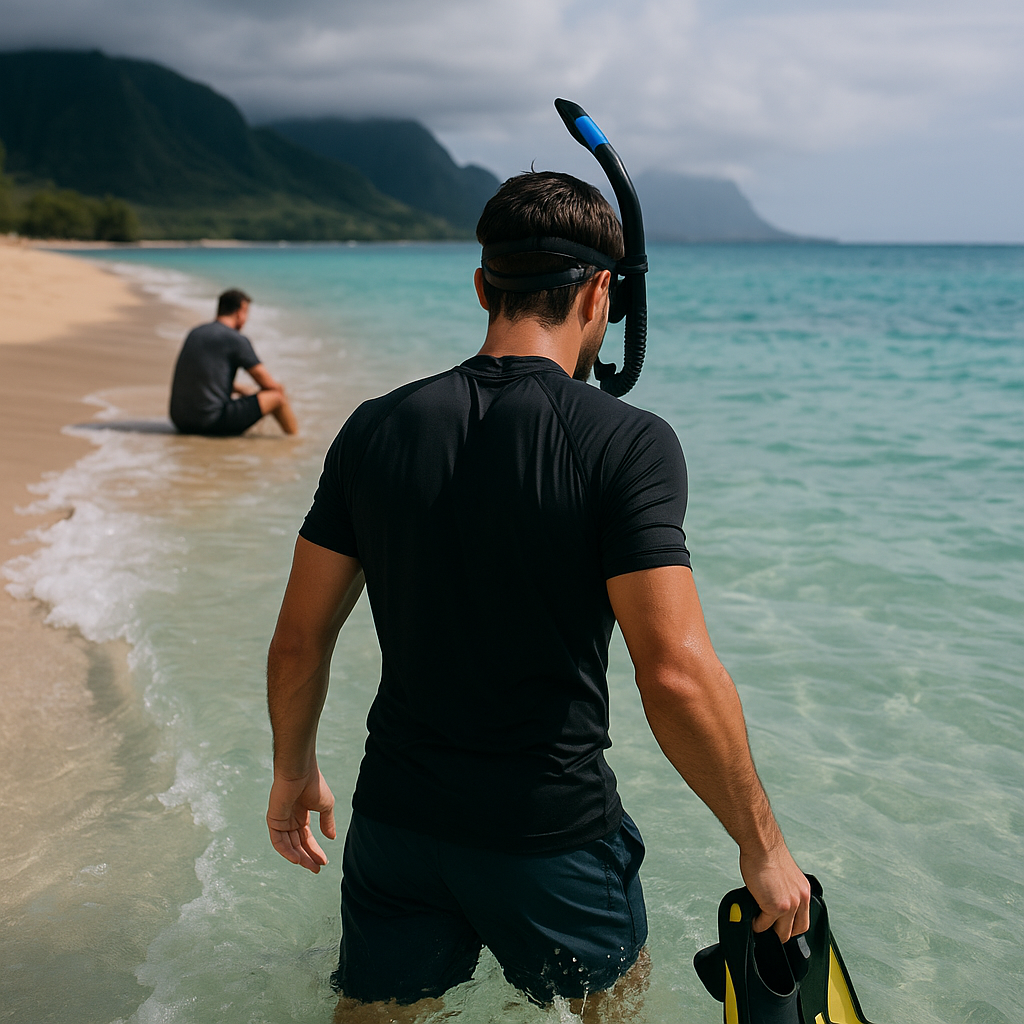
According to emails obtained through public records, FBI Director Kash Patel participated in a private snorkeling experience while visiting the Pearl Harbor memorial—a trip reportedly connected to his official duties. While the exact nature of this ‘VIP snorkel’ was not detailed, the event occurred alongside scheduled meetings on national security, creating a juxtaposition of solemnity and recreation that has drawn criticism.
This is not the first time Patel’s personal conduct has made headlines. As reported by The Intercept, Patel was arrested in his youth for alcohol-related offenses, incidents he later dismissed as atypical of his character. More recently, such revelations add a nuanced layer to his public image, particularly as he leads one of the nation’s most critical law enforcement agencies.
The Broader Context: Leisure and Public Perception
For officials in authoritative positions, even seemingly trivial leisure activities can carry significant implications. Observers argue that, as a representative of the federal government, Patel’s actions at the Pearl Harbor site—hallowed ground for many Americans—should have been measured against the sensitivities attached to the location. While snorkeling is not inherently problematic, the ‘VIP’ nature and its association with his government-funded trip raise questions about propriety in public service.
Critics often point to the necessity of maintaining public trust, a sentiment echoed by ethics watchdogs and analysts. “Small lapses may seem innocuous, but they erode the public’s faith in institutions,” says Geraldine Hayes, a government transparency advocate. “Every decision holds weight when taxpayer dollars are involved.”
Who Foots the Bill?
A recurring concern is whether expenses tied to such activities are taxpayer-funded, an issue amplified by growing public scrutiny over governmental spending. At a time when debates surrounding budget allocations dominate news cycles—recently echoed in congressional standoffs—the optics of such leisure indulgences can be politically damaging.
Interestingly, this is not the first time similar controversies have surfaced. As The Daily Mail reported, a top aide to Dr. Anthony Fauci was recently indicted in a separate case involving alleged misuse of government resources. Such incidents highlight the broader challenge of ensuring fiscal responsibility within federal institutions. While there’s currently no evidence suggesting Patel’s snorkeling activity was funded inappropriately, it raises questions about the protocols governing such trips.
Ethics, Accountability, and Moving Forward
This incident also underscores the fine line between professional obligations and personal liberties for public officials. The role of ethics boards and oversight committees becomes vital in ensuring trips align strictly with professional responsibilities. However, existing regulations around leisure activities on work trips can often be vague, leaving room for interpretation and controversy.
Calls are growing for clearer guidelines. “We need transparency in how federal employees spend their time and our resources,” argues Michael Trenton, a professor of public administration. “It’s not just about avoiding actual impropriety but also the appearance of it.” Trenton and others hope Patel’s case will lead to reforms in travel procedures and greater oversight.

What This Means for Public Trust
At its core, this controversy is less about snorkeling and more about optics in governance. Every federal leader operates under a microscope, where even well-intentioned actions can be scrutinized through the lens of ethics and propriety. For Patel, the focus will now likely shift toward maintaining public confidence as leader of the FBI—a critical institution already dealing with polarized perceptions.
Moving forward, watchdog organizations and policymakers alike are expected to place greater emphasis on transparency, from personal activities during official trips to the overall conduct of federal personnel. With ongoing debates surrounding government accountability, Patel’s snorkeling incident could serve as a case study in navigating the gray areas of public service ethics.
As this story unfolds, the key takeaway remains clear: for public officials, actions as seemingly inconsequential as a snorkeling tour can resonate far beyond their original intent. Whether this will spur the implementation of more stringent rules or fade as a momentary distraction remains to be seen.