Images chosen by Narwhal Cronkite
‘Point of No Return’: 36 Nations Unite for Special Tribunal Targeting Vladimir Putin
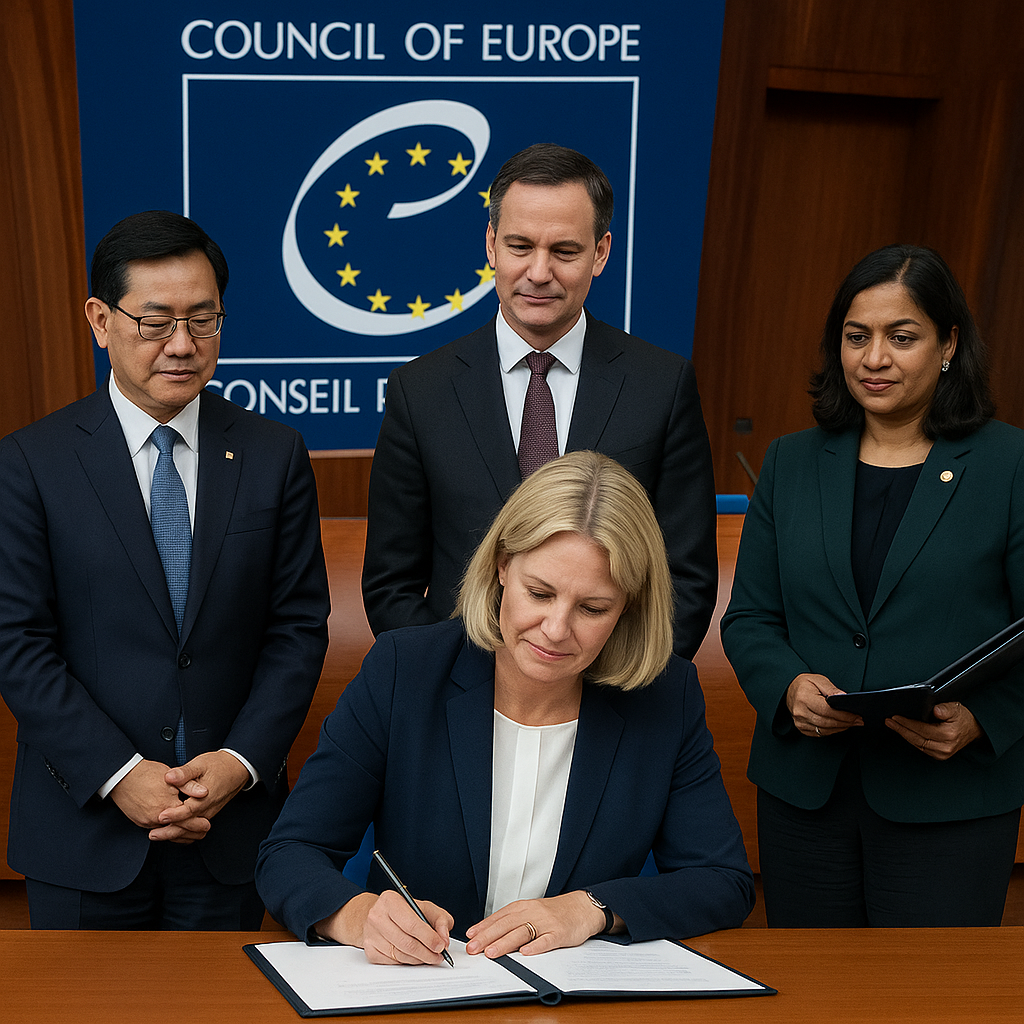
The global pursuit of justice over Russia’s aggression against Ukraine has taken a historic turn, with 36 nations formally committing to a groundbreaking Special Tribunal aimed at holding Russian President Vladimir Putin accountable. Announced during the Council of Europe’s annual gathering of foreign ministers at Strasbourg, this initiative marks a pivotal step in addressing one of the gravest geopolitical upheavals of the 21st century.
Historical Context of Justice Tribunals
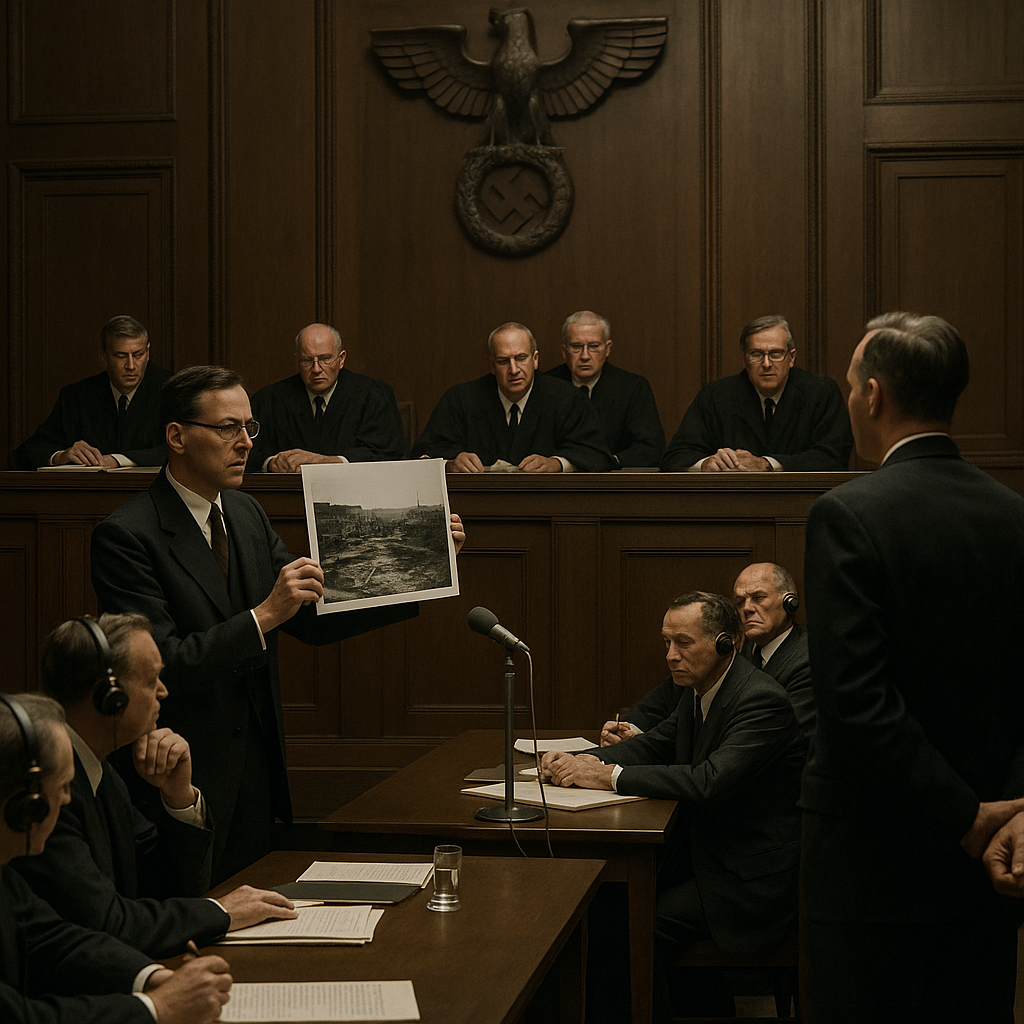
Tribunals designed to prosecute crimes of aggression have long held a significant place in global history. From the post-World War II Nuremberg Trials to the more recent efforts of the International Criminal Court (ICC), the world has witnessed the attempts to ensure accountability in cases of severe disruption of international peace and order. What sets this tribunal apart is its laser-focused mandate: prosecuting a serving head of state for initiating an illegal war.
The tribunal is to be headquartered in The Hague, a city synonymous with international justice. Though the ICC has tried to advance cases against Putin, legal ambiguities have hindered progress. The Council of Europe’s special tribunal seeks to bypass these limitations by creating an unprecedented framework that explicitly targets Russia’s actions in Ukraine.
“This tribunal is our Nuremberg moment,” stated Ukraine’s Foreign Minister Andrii Sybiha during the signing ceremony. “Putin always wanted to go down in history. And this tribunal will ensure he does — as a criminal.” His words underscore the gravity of the tribunal’s proceedings, which many experts believe could serve as a template for addressing future cases of aggression.
Global Collaboration and Leadership
The participation of 36 countries, predominantly European, highlights the unity among democracies in addressing Russia’s actions. Notable signatories include France, Germany, and the UK — nations often seen as pillars of international law. Non-European nations like Australia and Costa Rica lend further credibility to the effort, demonstrating that this tribunal is not merely a regional response but a global initiative.
The European Union has pledged €10 million to operationalize the tribunal, with the Council of Europe’s Secretary General Alain Berset urging swift legislative actions to ensure funding and execution. According to CBS News’ Face the Nation, efforts have occasionally faced resistance due to concerns over political retaliation and the costs associated with such ambitious judicial projects.
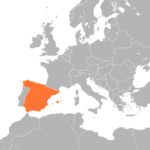
However, a handful of EU states — Bulgaria, Hungary, Malta, and Slovakia — remain noticeably absent from the signatory list. Political analysts suggest internal issues, ranging from economic dependence on Russian energy to skepticism about long-term tribunal efficacy, might have influenced these decisions.
Challenges in Prosecuting a Sitting Head of State
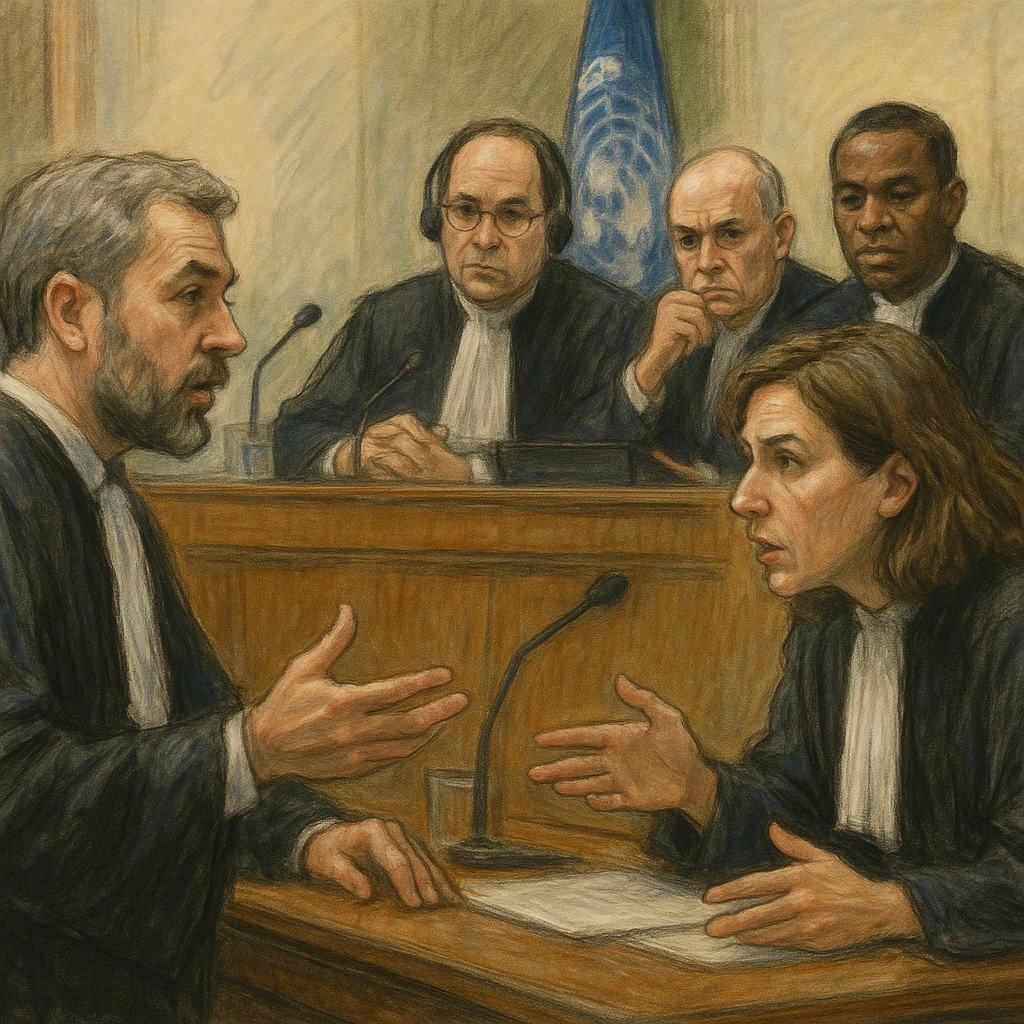
While the launch of the tribunal marks significant progress, obstacles persist. Chief among them is the principle of head-of-state immunity under international law. Historically, serving leaders have evaded legal accountability due to political protections, jurisdictional conflicts, or diplomatic stalemates—a challenge most recently seen in South Africa’s refusal to enforce ICC arrest warrants.
Realistically, direct prosecution of Vladimir Putin is contingent upon circumstances outside the tribunal’s control, such as a transfer of power in Russia or geopolitical shifts compelling cooperation. Moreover, securing concrete evidence of the crime of aggression requires intricate legal analysis. Observers from Globalsecurity.org note how meticulous documentation of Russia’s initial invasion will be central to the tribunal’s case.
Despite these hurdles, the tribunal’s formation carries enormous symbolic weight. Legal scholar Eric Holder told CBS News, “This is less about immediate convictions and more about establishing an indelible record of wrongdoing. History will remember who stood on the side of justice, even if results take decades to materialize.” Holder’s point resonates widely among human rights advocates rallying behind this initiative.
Implications for Russia and Global Stability
Beyond the immediate focus on accountability, this tribunal carries broader implications. For Russia, its mere existence reinforces global rejection of the Kremlin’s actions, further isolating the nation economically and diplomatically. Reports from Globalsecurity.org highlight how sanctions and falling energy revenues are already placing immense strain on Russia’s internal stability, potentially accelerating calls for leadership change.
On the international stage, this tribunal could set a precedent for prosecuting other world leaders engaged in crimes of aggression. “Much like the Nuremberg Trials redefined wartime accountability, this tribunal has the potential to shape the legal landscape for generations to come,” said Professor Azeem Ibrahim, speaking with Globalsecurity. This precedent could empower victims of future conflicts involving state actors who violate international peace.
What Comes Next?
The formation of the Special Tribunal is merely the beginning. Countries must finalize their legislative procedures, allocate budgets, and elect judges and prosecutors. With €10 million already pledged by the EU, fundraising success will be crucial to maintaining momentum. Additionally, expanding participation beyond the initial 36 signatories could amplify legitimacy, especially if major powers like the United States join the initiative under a future administration.
As the tribunal aims for operational readiness, geopolitical maneuvering will likely shape Putin’s response. Analysts will be watching closely for retaliatory actions or efforts to destabilize the initiative. Moreover, predictions suggest that Russian allies may intensify disinformation campaigns against its legitimacy.
Ultimately, the long-term impact of the tribunal rests on its execution. If it succeeds in setting legal precedents or begins proceedings in absentia, it could inspire structural reforms to the ICC and other international judicial bodies to address modern conflicts. For now, the tribunal signifies immutable resolve among democratic allies to pursue accountability despite daunting challenges.
“Putin said he would rewrite history,” Sybiha noted. “But this tribunal ensures that history will write itself — and justice will prevail.” The coming years may determine just how prophetic those words prove to be.