Images chosen by Narwhal Cronkite
A Texas Drainage District Stumbles Across an Unwelcome Mystery From Tesla’s $1 Billion Lithium Refinery
What started as a routine inspection for a Nueces County drainage district has turned into a revealing episode about the environmental complexities tied to America’s push for electric vehicle (EV) supply chain dominance. Workers walking a ditch near Robstown, Texas, earlier this year discovered a pipe they didn’t recognize, discharging black liquid into the waterway they managed. And what came next has sparked questions, not answers, about the role industry and government agencies play in balancing innovation with transparency.
Accidental Discovery: A Pipe Without a Notification
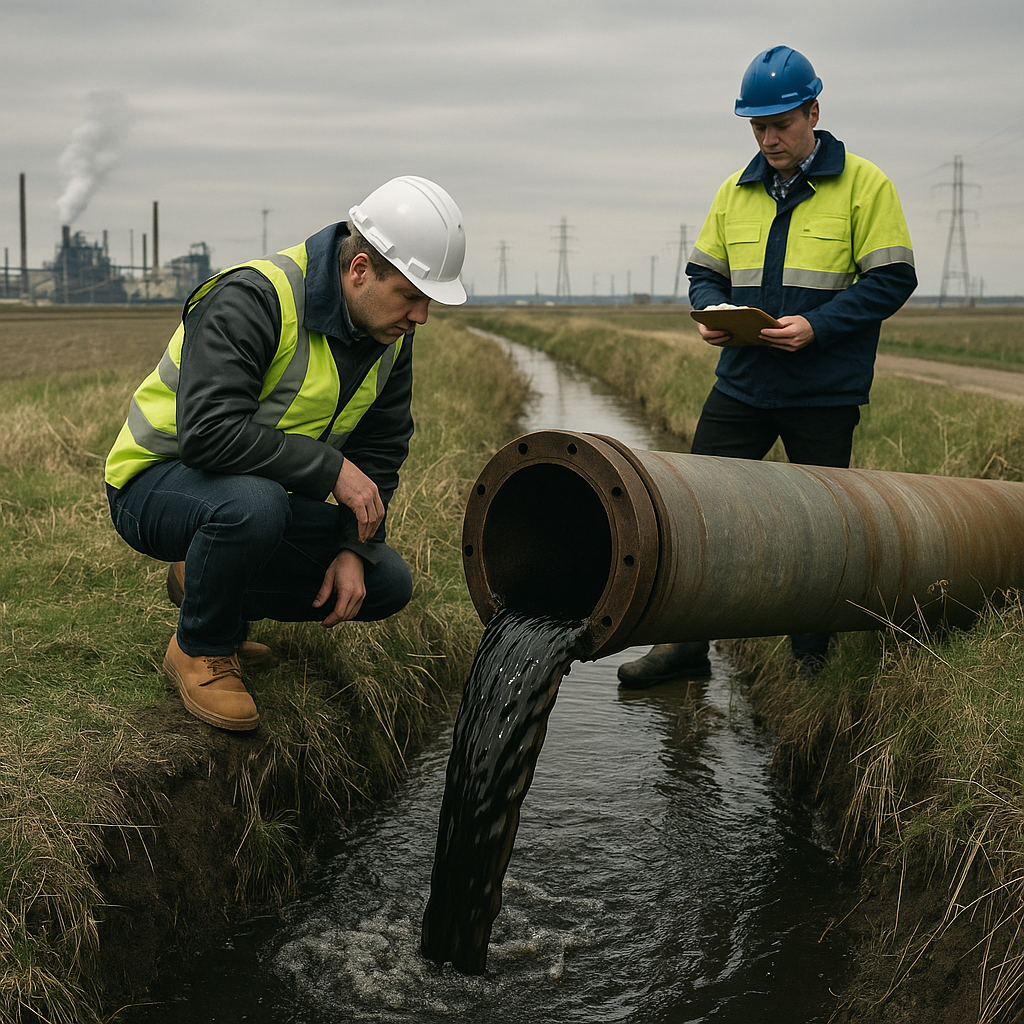
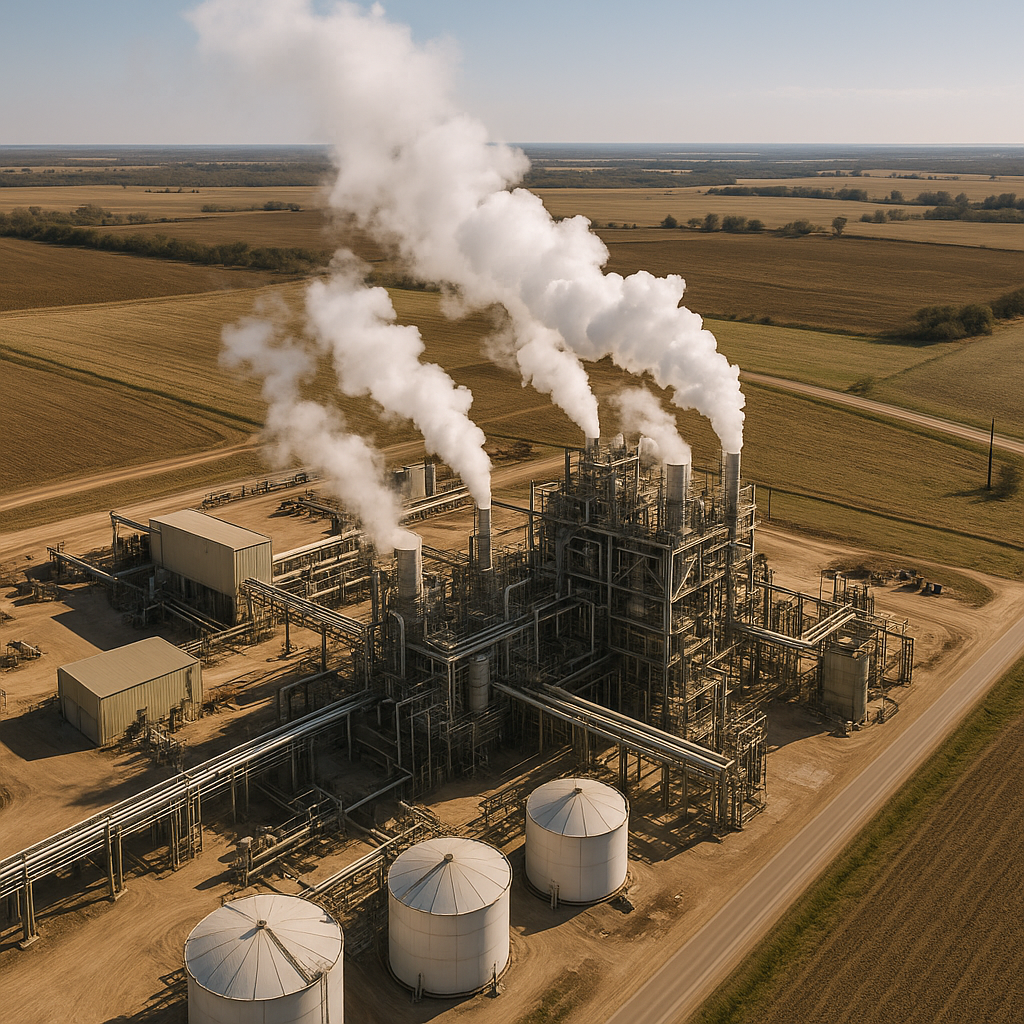
Imagine the scene: a small team tasked with maintaining a rural drainage ditch notices something unusual—a pipe, larger than others on the property, dispensing an unknown black liquid into the waterway. For consultant Steve Ray, it was more than a routine anomaly. “Very dark and murky. I would say it was actually black,” Ray told KRIS 6 News. What they had stumbled onto was Tesla’s wastewater pipe from its nearly $1 billion lithium refinery, which began operations in December 2024.
According to reports, Tesla had received a Texas Pollutant Discharge Elimination System (TPDES) permit from the Texas Commission on Environmental Quality (TCEQ), granting it the right to release up to 231,000 gallons of treated wastewater per day. This water originated from the lithium extraction process, integral to creating renewable energy components such as lithium-ion batteries. While ostensibly adhering to permit limits, the discharge startled local officials, who noted they were never informed about the pipe or its environmental impact on their area.
The Reality of ‘Clean Energy’ Production
The discovery poses fundamental questions about the environmental trade-offs behind EV supply chains. Tesla had long marketed the lithium refinery as using an “acid-free” process with a focus on sustainability. By their claim, the operation would generate fewer hazardous byproducts compared to traditional methods. However, the murky liquid spilling into the ditch cast a shadow on these green promises.
Chris Vaughn, an environmental analyst, pointed out the broader implications in a recent interview: “When we think electric vehicles, we picture clean, zero-emission cars driving on sunny streets. But their supply chain starts in industrial facilities like this refinery. How we regulate these facilities matters because they define what ‘clean’ energy truly means.”
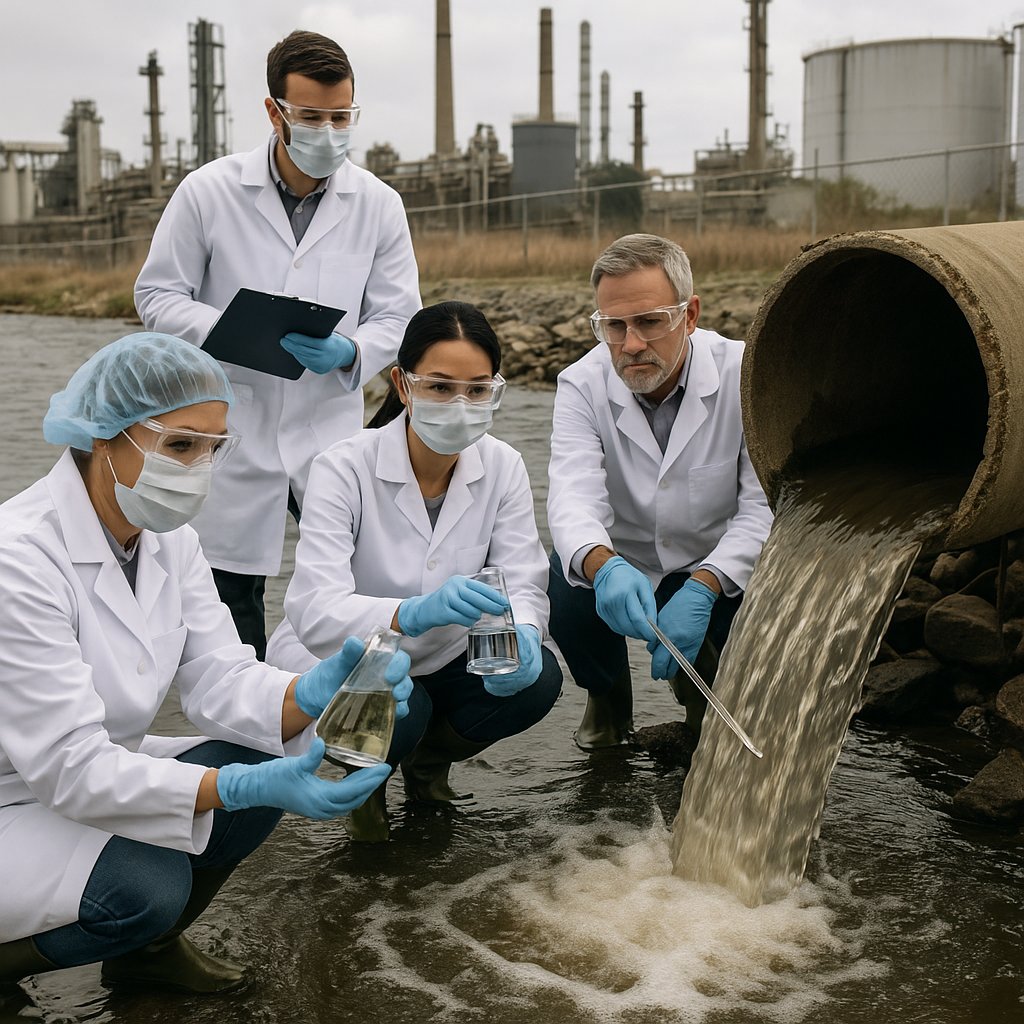
The wastewater discharge, while initially compliant according to TCEQ’s tests, sparked criticism over what pollutants regulators were not testing for—such as heavy metals often associated with lithium refining. Even if the liquid met basic conventional pollutant criteria, many wondered if the lack of comprehensive testing masked long-term risks to downstream ecosystems like Petronila Creek and Baffin Bay.
A Regulatory Blind Spot?
One of the most contentious points was the regulatory oversight by TCEQ. Though Tesla was issued a discharge permit months before the pipe began operational use, the drainage district was never informed about the infrastructure. This left the group—tasked with protecting local waterways—feeling blindsided. For local policy size and enforcement critics, this incident highlighted concerns about communication gaps between state agencies and regional water managers.
Moreover, the lack of heavy metal testing during TCEQ’s investigation raised eyebrows among environmental advocates. Heavy metals, often residual byproducts of lithium refining, can significantly impact aquatic life as well as human health if improperly managed. A failure to assess for these risks could indicate systemic flaws in Texas’s permitting process.
As Vaughn elaborated, “Tesla’s pipe isn’t the sole culprit here. The issue lies in the framework used to regulate and monitor industrial byproducts. Without consistent oversight and updated parameters, localized ecosystems can pay the price while industries thrive.”
Balancing Progress With Responsibility
To Tesla’s credit, the company has positioned itself as a pioneer in renewable energy industries, driving forward technologies and processes that reduce dependence on fossil fuels. Its lithium refinery is part of a long-term plan to develop supply chains within the United States, reducing reliance on overseas materials and providing a domestic boost to EV production.
However, Tesla’s ambitious plans are not without critics. Some argue that the company’s repeat mantra of technology-driven sustainability shouldn’t overshadow the very real resource and waste concerns tied to industrial processes—whether in Texas or elsewhere. Activists see the lack of transparency as a missed opportunity for Tesla to lead by example, setting benchmarks for how green supply chains should operate responsibly, rather than minimally.
What Comes Next?
The incident in Nueces County underscores the need for tighter integration between industries, regulators, and local entities responsible for public infrastructure. It also raises broader questions about how ESG (Environmental, Social, and Governance) standards can be effectively enforced in cornerstone ventures like lithium refining, which are critical for decarbonization.
For now, Tesla faces no formal repercussions, save for reputational scrutiny. But the key questions linger: Are regulatory frameworks robust enough to keep up with the rapid pace of clean tech innovation? Are communities and ecosystems sufficiently protected when industrial activity scales alongside climate goals? And should companies like Tesla bear a greater proactive responsibility in mitigating the unintended consequences of their operations?
As the EV age accelerates, answers will likely forge the way forward—not just for Tesla, but for an industry that sits at the crossroads of progress and accountability.