Images chosen by Narwhal Cronkite
NAACP Calls for Boycott of Southern College Sports Over Voting Rights
The NAACP has made waves by urging Black student-athletes and fans to boycott college sports programs in Southern states, citing threats to voting rights. This bold call-to-action targets public universities in states pursuing policies that critics say undermine Black voter power, such as redistricting initiatives and voting restrictions. The move signals a growing intersection of sports, civil rights, and political policy, as the organization aims to leverage the influence of athletics to foster change.
Why the NAACP Is Taking a Stand
At the heart of the NAACP’s boycott call is a growing concern that systemic efforts to restrict voting access disproportionately affect Black communities. This includes measures like redistricting plans that dilute minority representation and tighter voting regulations that critics claim are aimed to suppress turnout among marginalized populations. Southern states such as Florida, Georgia, and Texas are seen as particularly problematic, featuring contentious legislative battles over voting rights.
The NAACP’s message is clear: Black athletes, fans, alumni, and advocates must use their considerable influence to push back against these policies. “Athletics is one of the few realms where our communities wield influence that transcends stereotypes and barriers,” said NAACP President Derrick Johnson in a public statement, urging direct action as a form of protest. He added that such a boycott could bring urgent attention to what he described as legislative attacks on democratic participation.
Why College Sports Programs Are Vulnerable to Boycotts
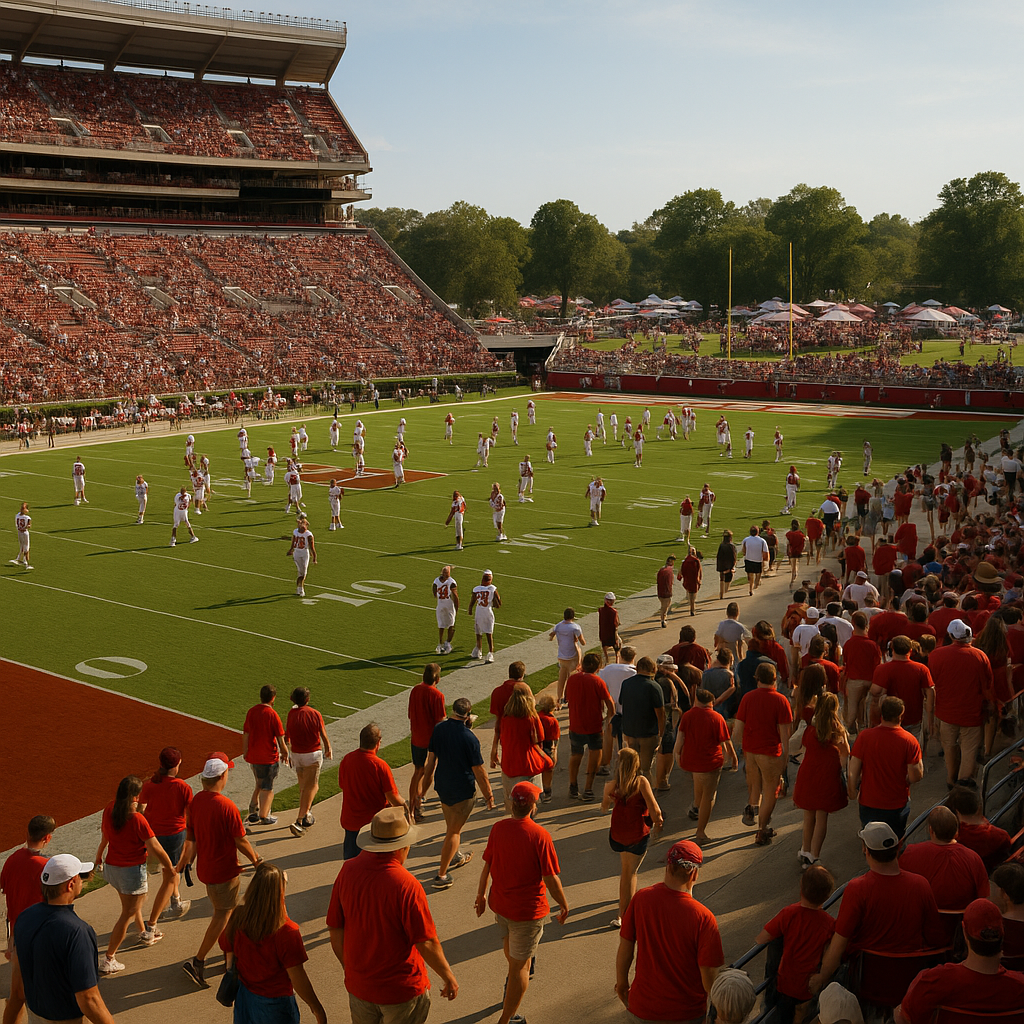
Southern college sports programs, particularly football and basketball teams, are deeply embedded in local culture and economies. These sports often generate millions of dollars in revenue annually, providing significant leverage in advocacy efforts. A 2021 NCAA report shows that the football programs of major public universities in Southern states like Alabama and Georgia account for significant portions of their institutions’ budgets. Sports aren’t just entertainment—they’re an economic powerhouse.
Black athletes play a dominant role in college sports, comprising a significant percentage of teams’ rosters, especially in flagship sports like football and basketball. Across NCAA Division I schools, Black athletes made up about 56% of men’s basketball players and 48% of football players in 2022. Given these demographics, the NAACP believes their absence—along with a decline in fan attendance—could force institutions to take a stronger stance on voting rights.

Mixed Reactions from Stakeholders
The NAACP’s call for a boycott has ignited a range of responses from across the sports and political spectrum. Advocacy groups and civil rights organizations have largely expressed support, seeing it as a critical tool to bring attention to voting inequities. “This is the kind of pressure that makes institutions rethink their priorities,” said Gloria Campbell, a political analyst specializing in civil rights.
On the other hand, critics argue that targeting sports programs could hurt more than it helps. “Athletes would miss out on opportunities to showcase their skills for professional advancement,” said Tom Reynolds, a sports columnist from NBC News. Reynolds added that the potential disruptions in scholarships and future earnings are concerns worth addressing. Still, the NAACP counters that social justice must take precedence, making the case that educational institutions in contentious states should not benefit from the talent pools their policies disenfranchise.
Political Implications and Challenges Ahead
The boycott strategy underlines the unique role sports can play in cultural and political movements. Yet, it also raises questions about its feasibility and long-term effects. Southern states are unlikely to pivot drastically in response to pressure from athletes alone, leading some critics to label the effort as symbolic rather than effective.
Additionally, college sports are inherently tied to larger corporate structures like broadcasting deals, sponsorships, and NCAA regulations. It’s unclear whether the ripple effects of athlete-led protests would translate into tangible policy changes. “It’s a risky move, but the symbolism may drive discussions that escalate into real reform,” noted Campbell.
Another layer of complexity comes from the varied political landscapes of Southern states. Not every legislator supports restrictive voting policies, and for universities in these states, balancing their alumni bases with broader regional political divides will be challenging.
What to Watch for Next
This unprecedented call for a boycott could reshape the broader conversation around sports as a platform for activism. While the immediate results may be difficult to quantify, the potential for athlete-led movements to influence public policy remains high. It is also worth watching how universities and state leaders respond to this pressure, particularly as political debates over voting rights continue leading into the 2024 election cycle.
Beyond public responses, look for signs of solidarity between athletic programs and their players. Will college athletes themselves organize and take part in these boycotts? Will major sponsors and broadcasters weigh in on the controversy? These questions will help gauge if the boycott achieves its deeper aspirations of driving reform or simply complicates the relationship between sports and politics.
Regardless of outcomes, the NAACP’s move has solidified the notion that sports are more than just competition—they’re a platform for societal change. Whether this strategy creates actionable change or merely stirs conversation, its implications for both athletics and democracy remain monumental.
Conclusion
The call for a boycott of Southern college sports underscores a larger battle over the interplay of race, public policy, and the influence of institutions. By urging Black athletes and fans to act, the NAACP is challenging systemic inequities while opening new avenues for activism. As observers tune in to upcoming seasons, the question will remain: can sports drive meaningful change in America’s voting landscape?