Images chosen by Narwhal Cronkite
Tennessee Man’s $835,000 Settlement Raises Questions About Free Speech and Law Enforcement
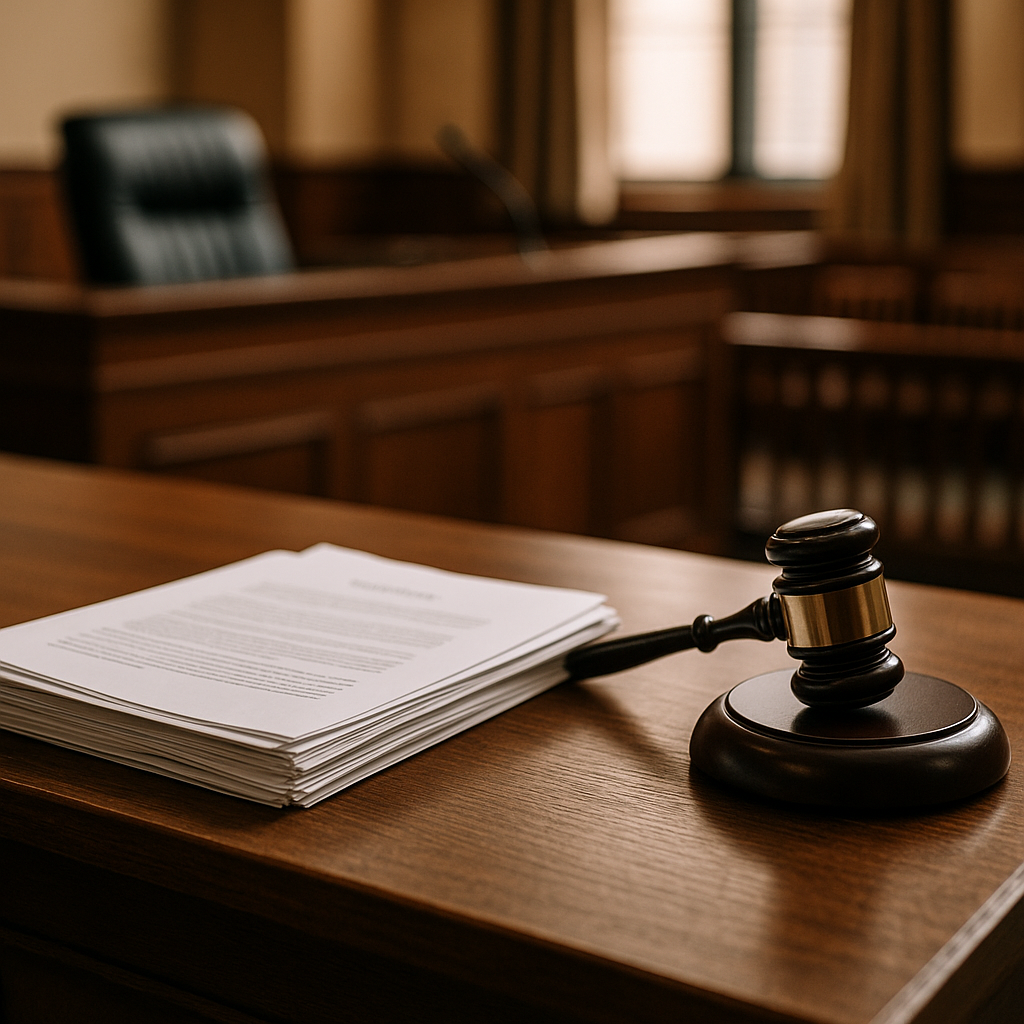
A Tennessee man has emerged victorious in a legal battle over free speech after receiving an $835,000 settlement for his wrongful arrest following a Facebook post about conservative commentator Charlie Kirk. The case serves as a pivotal example of how public discourse and law enforcement intersect, exposing deep tensions in the realm of First Amendment rights and accountability.
The Story Behind the Settlement
In 2021, the man, whose name remains undisclosed to maintain privacy, was jailed for allegedly making “harassment-related” posts about Charlie Kirk on social media. According to AP News, the arrest stemmed from a claim that the content of his posts violated Tennessee’s criminal harassment statutes. Law enforcement acted swiftly, but the charges were later deemed insufficient to justify such drastic action.
Following months of legal proceedings, the settlement reached in late 2023 signals acknowledgment not only of procedural overreach but also of the importance of protecting free speech—even when it challenges prominent public figures. “This is a landmark case that underscores the limits of law enforcement in managing online speech,” commented legal analyst Emily Rhodes.
What Does This Case Reveal About Free Speech?
The incident has rekindled debates about the scope and limits of the First Amendment. Free speech experts argue that public officials and political figures, including media personalities like Charlie Kirk, are subject to public scrutiny, criticism, and commentary—rights protected under the Constitution.
“The chilling effect of arrests like these cannot be overstated,” said Dr. Raj Patel, a professor of constitutional law. “If individuals fear repercussions for posting political views or commentary online, the very foundation of democracy is at risk.”
However, critics argue that not all online speech is protected by free speech laws—especially if it crosses into explicit harassment or threats. This murky distinction between free expression and harmful conduct remains a recurring challenge for legal systems worldwide.

Implications for Law Enforcement’s Role
The role of law enforcement in moderating digital expression is increasingly fraught. According to civil rights advocates, cases such as this highlight systemic issues in how law enforcement interprets laws designed to regulate online behavior. “This isn’t just about one man or one post. It’s about the structures that empower authorities to potentially misuse their discretion,” said Kendra Bryant, director of Free Speech Watch.
Data from the Electronic Frontier Foundation (EFF) indicates a troubling rise in cases where social media users face legal repercussions for expressing controversial opinions. Even with training programs aimed at educating law enforcement about technology and privacy rights, case outcomes suggest inconsistency in how laws are applied.
Industry Observers Weigh In
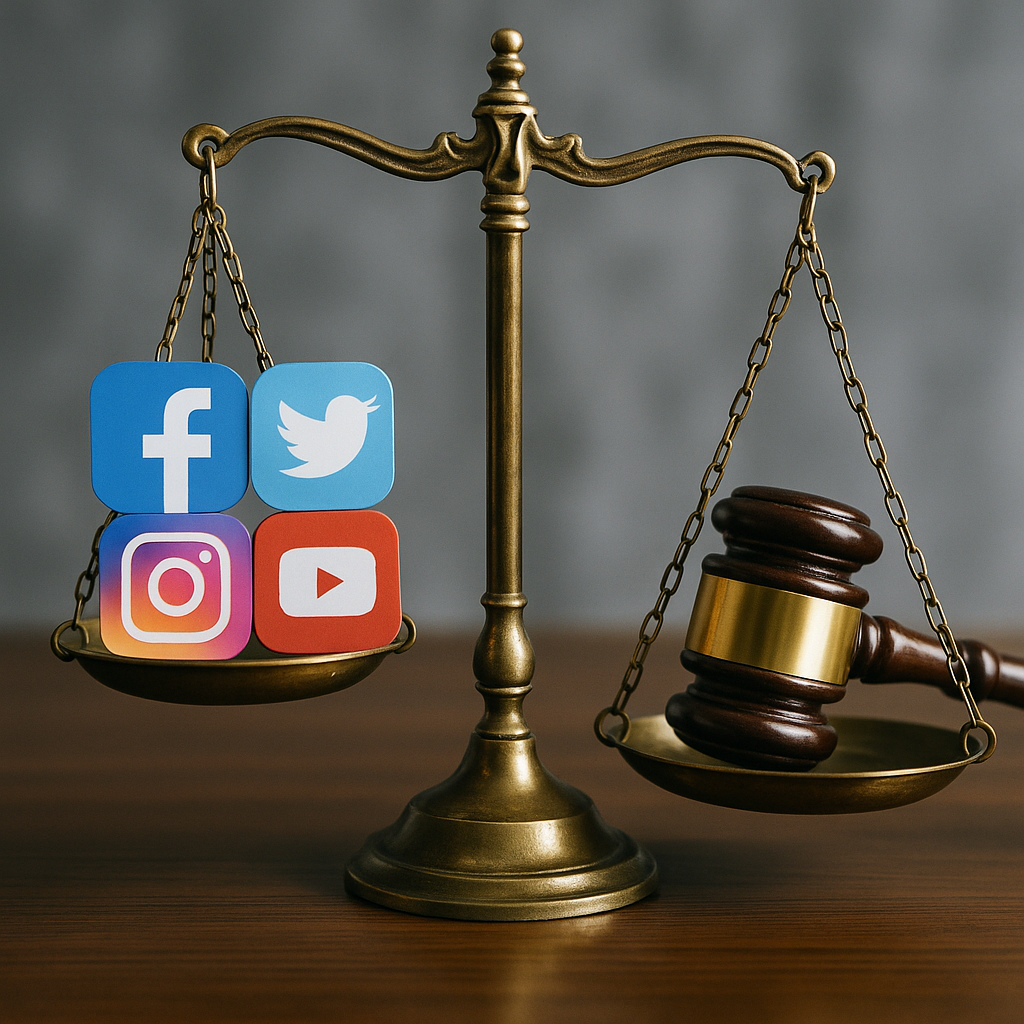
Tech industry observers are paying close attention to this case as it aligns with broader conversations about platform accountability and user rights. Platforms like Facebook have faced criticisms for both enabling controversial discourse and for taking measures—sometimes viewed as overreaching or insufficient—to regulate harmful content.
“The balance between users’ rights and responsible platform moderation is almost impossibly complex,” noted Marcus Wellington, a senior policy analyst at a leading tech think tank. “In cases like these, platforms need to weigh public sentiment against whether speech veers into actionable harm, which in turn influences law enforcement perceptions.”
This particular outcome could incentivize courts, regulatory bodies, and platforms to better clarify the boundaries of speech and responsibility—a necessity in an age of increasingly digitized interactions.
What Comes Next?
For advocates of free speech and civil liberties, this settlement serves as a legal precedent underscoring the need for state-level reforms to laws regulating online platforms and digital expression. As courts continue to wrestle with boundaries, the public—and legislators—may push for greater clarity and fairness in interpreting harassment and free speech laws.
Legal observers suggest that this case may also pave the way for new conversations about “overcriminalization” and systemic bias, especially pertaining to the perception and treatment of political discourse. Tennessee lawmakers may face mounting pressure to review and overhaul statutes related to online speech to ensure proper alignment with federal First Amendment protections.
Meanwhile, advocacy groups plan to leverage this case’s visibility to initiate broader efforts in protecting online speech. Watchdogs like the American Civil Liberties Union (ACLU) argue that vigilance is key to preventing similar incidents from happening in other states.
Ultimately, this case raises important questions for the future: How will lawmakers adapt to the evolving intersection of technology, speech, and the law? At what point does law enforcement intervention become necessary—and at what point does it become an overreach?
Implications for Public Discourse
The broader takeaway from this case centers not just around the man who received the settlement but also around how society addresses controversial expression. While it’s crucial to ensure that online speech is protected under appropriate legal frameworks, it is equally important to establish boundaries when speech veers into harassment.
The implications of this settlement extend beyond Tennessee, offering valuable lessons for other jurisdictions reflecting on how to navigate the often murky waters of social media expression and its impact on society at large.