Images chosen by Narwhal Cronkite
Peter Thiel’s Move to Argentina: Billionaires Seek ‘Plan B’ Abroad
When billionaire Peter Thiel, co-founder of PayPal and Palantir, reportedly announced his decision to relocate to Argentina, it sent ripples through both business and political circles. While this may seem like an isolated incident, Thiel’s move is emblematic of a larger trend: high-net-worth individuals are increasingly seeking alternative homes abroad as uncertainties mount in their home countries.

Why Are Billionaires Like Peter Thiel Moving Abroad?
Peter Thiel’s pivot to Argentina has raised eyebrows, not least because Argentina is a nation grappling with high inflation and economic challenges. Still, it offers an alluring appeal to ultra-wealthy expatriates: stunning landscapes, favorable currencies, and a degree of autonomy from political and social dynamics in the United States. “It’s about diversification,” explains one wealth management analyst. “For the ultra-rich, Plan B isn’t just a backup; it’s a strategy.”
Thiel’s penchant for unconventional moves is well-documented. From funding seasteading experiments to advocating for technological innovation in financial markets, his decisions often rewrite the rulebook. His move to Argentina may follow a simple risk management principle: geopolitical and economic diversification. Much like how investors hedge financial portfolios, wealthy individuals are now hedging their lifestyles.
As reported by Business Insider, Thiel is joining a growing list of affluent entrepreneurs and tech moguls looking for stable, tax-friendly, and attractive international alternatives. Some have chosen countries in Europe, such as Portugal, with its much-publicized Golden Visa, or New Zealand, which boasts remote safety along with luxury and amenities.
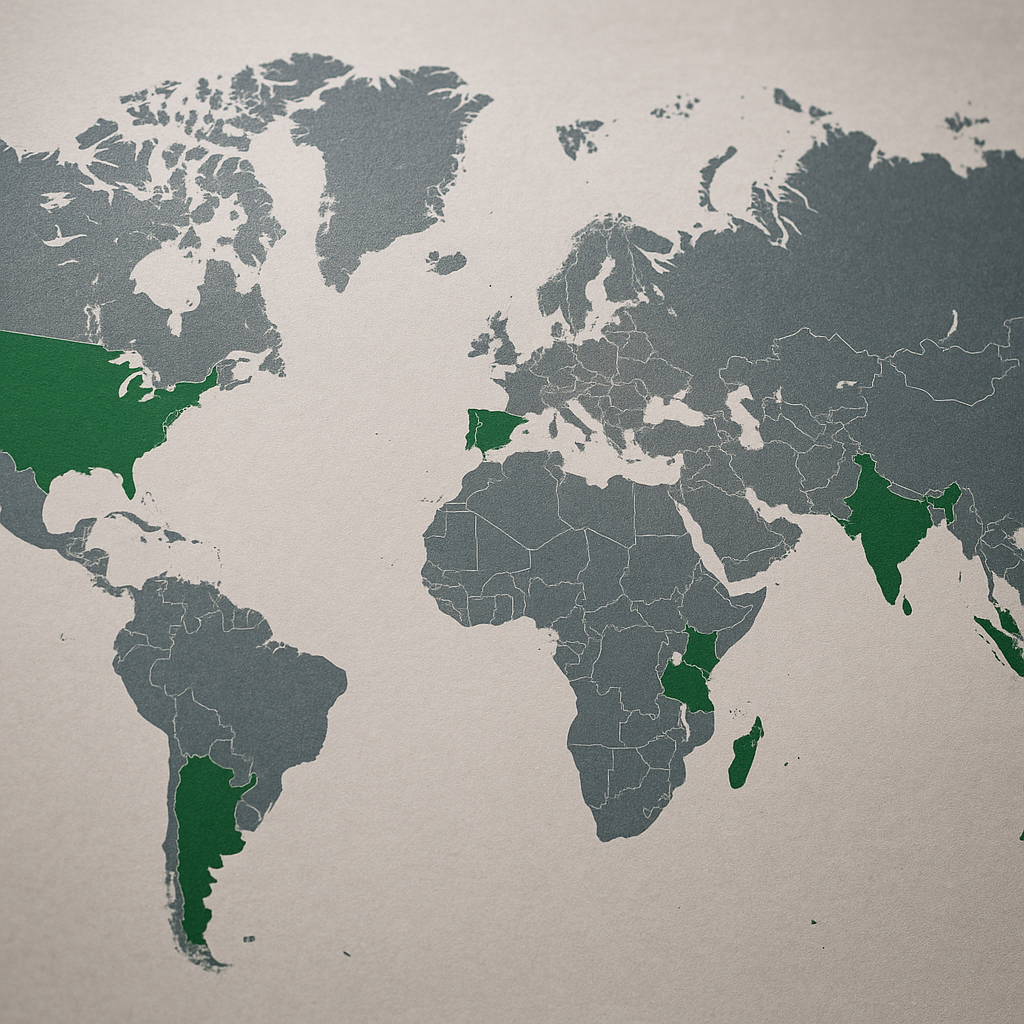
Argentina: An Unlikely but Strategic Destination
Argentina’s appeal may seem counterintuitive at first glance. The country has endured recurrent economic and political instability, including hyperinflation and debt crises. Yet for those with wealth, it remains a haven of luxurious living at a fraction of the cost seen in the United States or Europe. The Argentine peso’s depreciation allows foreign currency holders to afford sprawling estates, first-class amenities, and a desirable quality of life.
Equally important is Argentina’s favorable treatment of foreigners. In recent years, the country has become known for lenient residency requirements and opportunities for expats seeking financial privacy. Over time, it has reinvented itself as a destination for global entrepreneurs seeking tranquility, natural beauty, and a high standard of living. Consider Bariloche, a region renowned for its magnificent scenery and often referred to as “Little Switzerland,” or Buenos Aires with its vibrant culture and European-style architecture. Both are growing hubs for wealthy transplants from across the globe.
One Buenos Aires-based economist noted, “Argentina is paradoxical. For locals, the economy can be challenging, but for well-capitalized individuals like Thiel, it can feel like a land of opportunity.” Tax incentives and a lower cost of living have reinforced this perception in recent years.
The Global Exodus: What’s Driving the Trend?
On the global stage, Peter Thiel is far from alone. Tech billionaires, investors, and even celebrities are looking beyond traditional havens like Silicon Valley, Palm Beach, or Manhattan. Several factors seem to be contributing to this exodus:
- Political Polarization: From the divisive political climate in the United States to unrest in parts of Europe, many wealthy individuals are seeking environments perceived as politically neutral or more stable.
- Tax Uncertainty: With talks of wealth taxes and higher income tax brackets in many developed countries, some high-net-worth individuals are relocating to regions with lighter tax burdens or competitive residency programs.
- Climate and Space: The pandemic shifted priorities for many, encouraging a search for wide-open spaces and less crowded living conditions. Locations like rural Argentina or the New Zealand countryside provide precisely that.
- Geopolitical Diversification: Similar to diversifying financial assets, relocating or acquiring second citizenship serves as a hedge against the instability of a single nation’s economy or governance.
The Growing Market for Second Passports and Residency
Thiel’s move also underscores a booming industry: second citizenships and “golden passports.” According to a 2025 report by a global migration consultancy, the demand for alternative passports has surged by 45% since 2020. As analysts see it, high-net-worth individuals are more aware than ever of the importance of mobility and contingency planning in an unpredictable world.
Countries like Portugal, Malta, St. Kitts and Nevis, and New Zealand have capitalized on this market by offering residency or citizenship in exchange for investments. While the price tag often runs into the millions—both in property or business investments—it appeals to individuals for whom freedom of movement is invaluable.
Consider Argentina’s residency policies. While there isn’t a formal Golden Visa program, foreigners investing in real estate or businesses can acquire residency opportunities relatively easily. The combination of affordability, privacy, and access to a unique Latin American market makes it a compelling choice.
What Does This Mean for the Future?
For now, the billionaire migration trend appears to be gathering momentum. While it’s too early to gauge the full impact—or even to confirm whether their moves reflect a pessimistic view of their home nations—the implications are worth watching. From Argentina to New Zealand, governments courting these wealthy individuals may see short-term boosts to their economies or greater influence on global agendas.
However, critics argue that this trend could deepen global inequality. As the ultra-rich buy their way into countries with fragile economies, their presence could contribute to housing inflation or increased privatization of public spaces.
Looking forward, analysts suggest the trend will continue evolving, particularly as geopolitical strains, economic uncertainty, and climate change drive decision-making for ultra-high net worth individuals. Will governments relax more immigration rules to attract these wealthy migrants? Will this influx tilt the scales for local economies, or create tensions within communities?
One thing is for certain: Peter Thiel’s journey to Argentina is just one chapter in a much larger story of how the world’s wealthiest citizens are rewriting the rules on borders, home, and belonging. As borders dissolve at the upper echelons of wealth, understanding the ramifications for local and global communities will be crucial.
For now, the world will be watching closely: Is the pursuit of a “Plan B” abroad a visionary decision—or the beginning of a larger rift between the wealthy and the rest of society?