Images chosen by Narwhal Cronkite
Harvard Graduation Speaker Sparks Debate Over AI With Candid Speech
In a stirring and profanity-laden commencement speech at Harvard’s Class Day, comedian and “The Daily Show” host Ronny Chieng dared graduates to take a stand against artificial intelligence (AI). His audacious call to “destroy AI” drew thunderous applause, highlighting a growing wave of discontent among young professionals entering a workforce increasingly shaped—and in some cases, disrupted—by AI technology.
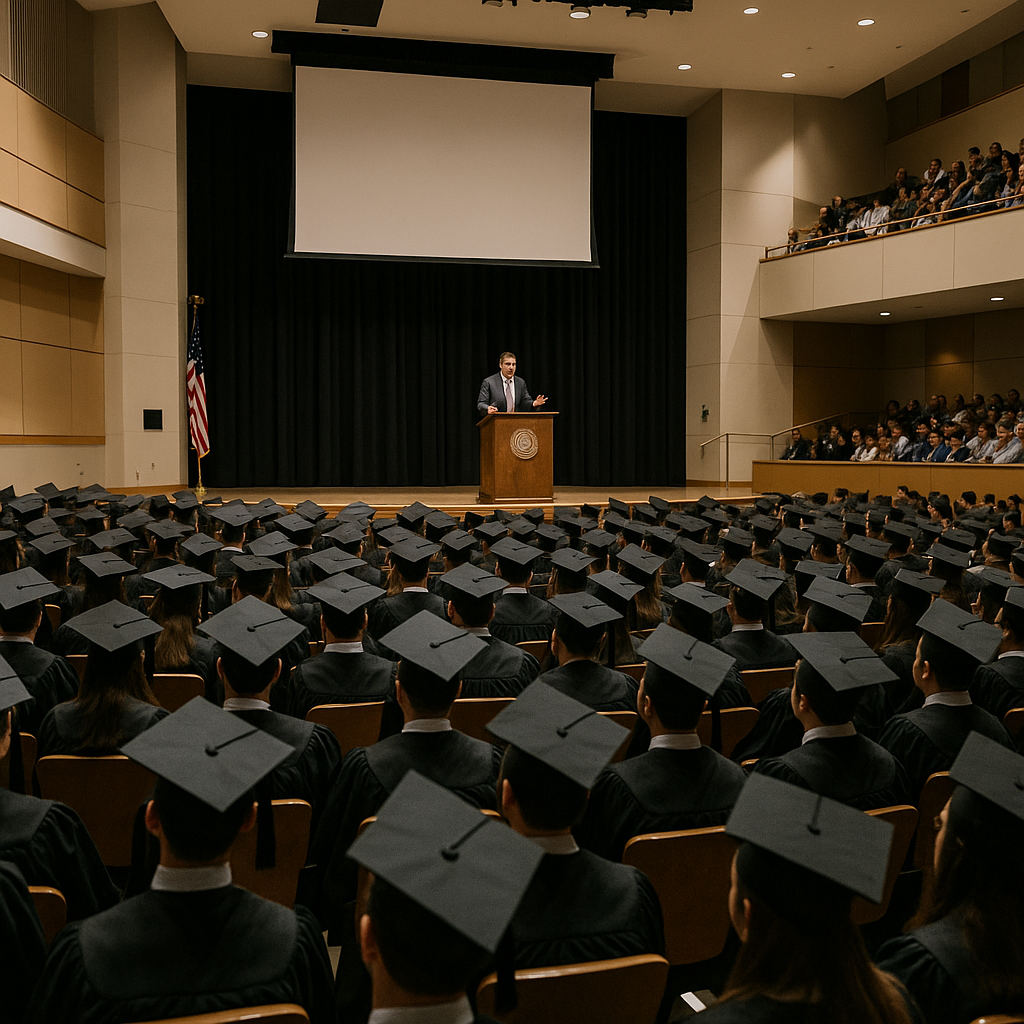
Can AI Shape—or Stifle—Your Generation’s Future?
The emergence of AI has sparked fierce debate across industries, institutions, and now even graduation podiums. While some executives hail it as the harbinger of transformative breakthroughs, Ronny Chieng painted a dramatically different picture during his speech at Harvard. Referring to issues like “cognitive debt” and “shallow knowledge” fostered by excessive reliance on AI, Chieng underscored fears that the technology is eroding human agency and intellectual curiosity.
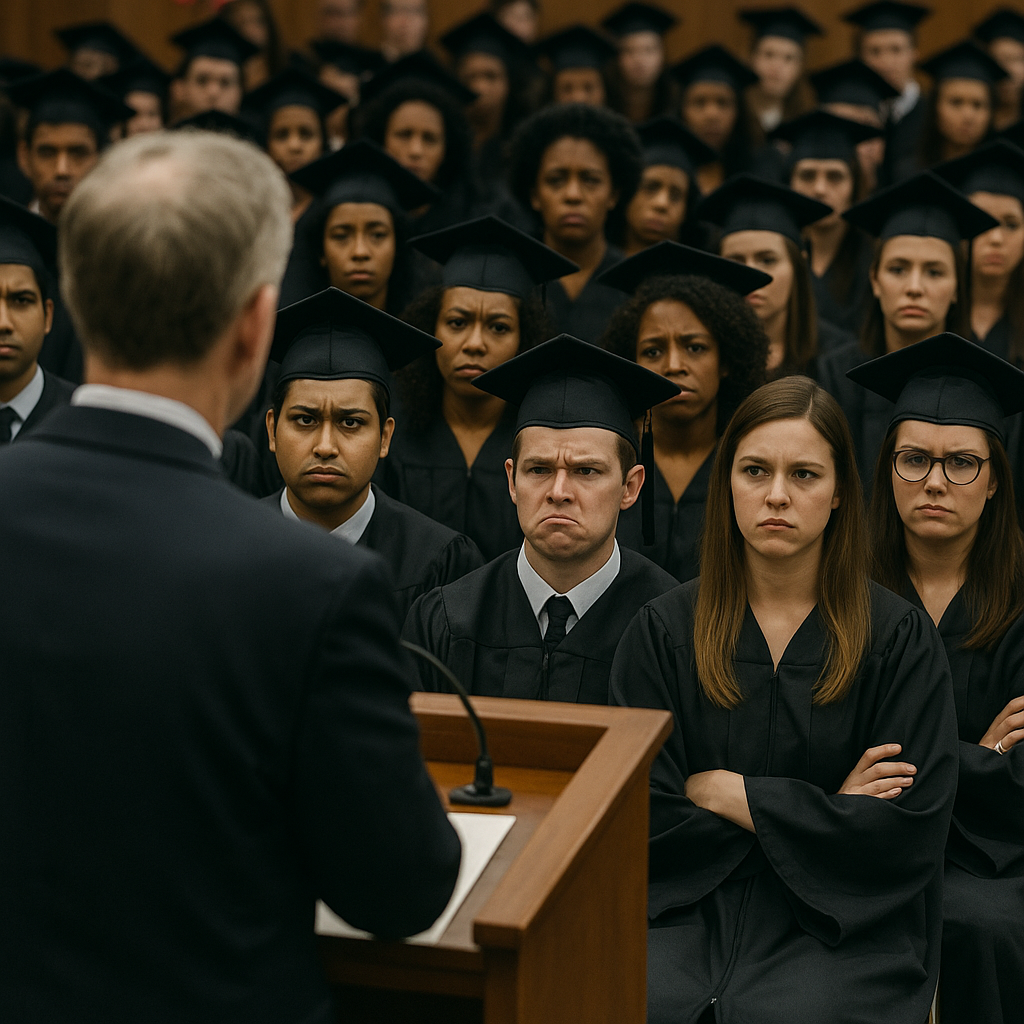
“Your mission is to destroy AI,” he told the crowd, challenging the narrative that mastering AI is an inevitable requirement for the next generation. According to his speech, the risks outweigh the benefits for those who mindlessly rely on these tools: “It’s going to be mastery versus faking it.” His impassioned critique resonated deeply with graduates frustrated by a job market that seems increasingly stacked against their favor, as AI begins replacing certain roles rather than creating new opportunities.
The Backlash Is Gaining Momentum
Chieng’s speech wasn’t an isolated event. Earlier in May, former Google CEO Eric Schmidt faced similar backlash when discussing AI’s potential during his commencement address at the University of Arizona. Schmidt’s words were met with jeers from students, signaling growing dissatisfaction with how tech leaders are prioritizing AI over job creation. At the University of Central Florida, real estate executive Gloria Caulfield triggered an even larger uproar when she praised AI during her speech, sparking viral footage of her incredulous response to the audience’s disapproval.
As reported by Futurism, these incidents highlight widespread concern among young professionals who fear being sidelined by AI. Across industries, from customer service to creative fields, companies’ enthusiasm for AI adoption is increasingly met with pushback from workers unsure if their creativity, critical thinking, or problem-solving abilities will remain valuable in the age of automation.
Balancing Benefits With Risks
To be fair, Ronny Chieng’s critique of AI wasn’t an outright dismissal of its applications. His speech acknowledged that using AI in fields like medicine and physics was productive—citing advancements in drug discovery and space exploration as worthy pursuits. However, he underscored that the problem lies in excessive reliance on generative AI or large language models, which he described as fueling “cognitive surrender.” This concept refers to the phenomenon where users adopt AI-generated reasoning instead of engaging critical thinking, leading to intellectual complacency.
Experts interviewed by ResearchBuzz for related stories echoed similar concerns. Recent examples of AI errors in legal settings and data fabrication underscore the risks of treating these systems as infallible adjudicators. In one case, an attorney faced disciplinary action after relying on an AI model that cited nonexistent case precedents, highlighting the dangers of compromising due diligence for convenience.

Younger Workers Are Fighting Back
Far from passivity, younger workers are pushing back against AI integration in their workplaces. Universities, tech observers, and labor groups have documented instances where employees intentionally undermine AI initiatives they believe are detrimental to workplace culture or human creativity. A growing body of research suggests these efforts aren’t isolated, reflecting broader societal unease.
Why the resistance? Many young professionals argue AI is being foisted upon them without adequate input from the human workforce it impacts. They feel their concerns about job security, intellectual agency, and the erosion of craftsmanship are being drowned out by executives eager to chase profits from AI investments.
Implications for the Future Workforce
Ronny Chieng’s speech is symptomatic of deeper anxieties surrounding the role of AI in our economy and society. Will the next generation of workers lean into AI, treating it as a vital tool for efficiency and innovation? Or will they resist, prioritizing practices and policies that ensure human expertise remains central?
As businesses race to implement AI-driven solutions, observers note that how companies navigate this transition will determine whether frustrations boil over—or lead to grassroots-level adjustments that integrate AI responsibly. Industry analysts believe the coming years could see expanded calls for AI regulation, ethical standards, and systems that maintain a balance between automation and human creativity.
It’s clear that the discussion surrounding AI is far from over. As told by Futurism and others, Chieng’s speech marks a cultural moment—a generation standing up to say they value intellectual depth over artificial shortcuts. What’s next? Policymakers, educators, and business leaders will have to address these concerns head-on if they hope to harness AI without alienating the very workforce that fuels innovation.