Images chosen by Narwhal Cronkite
California’s Monterey Park Becomes First US City to Permanently Ban Datacenters
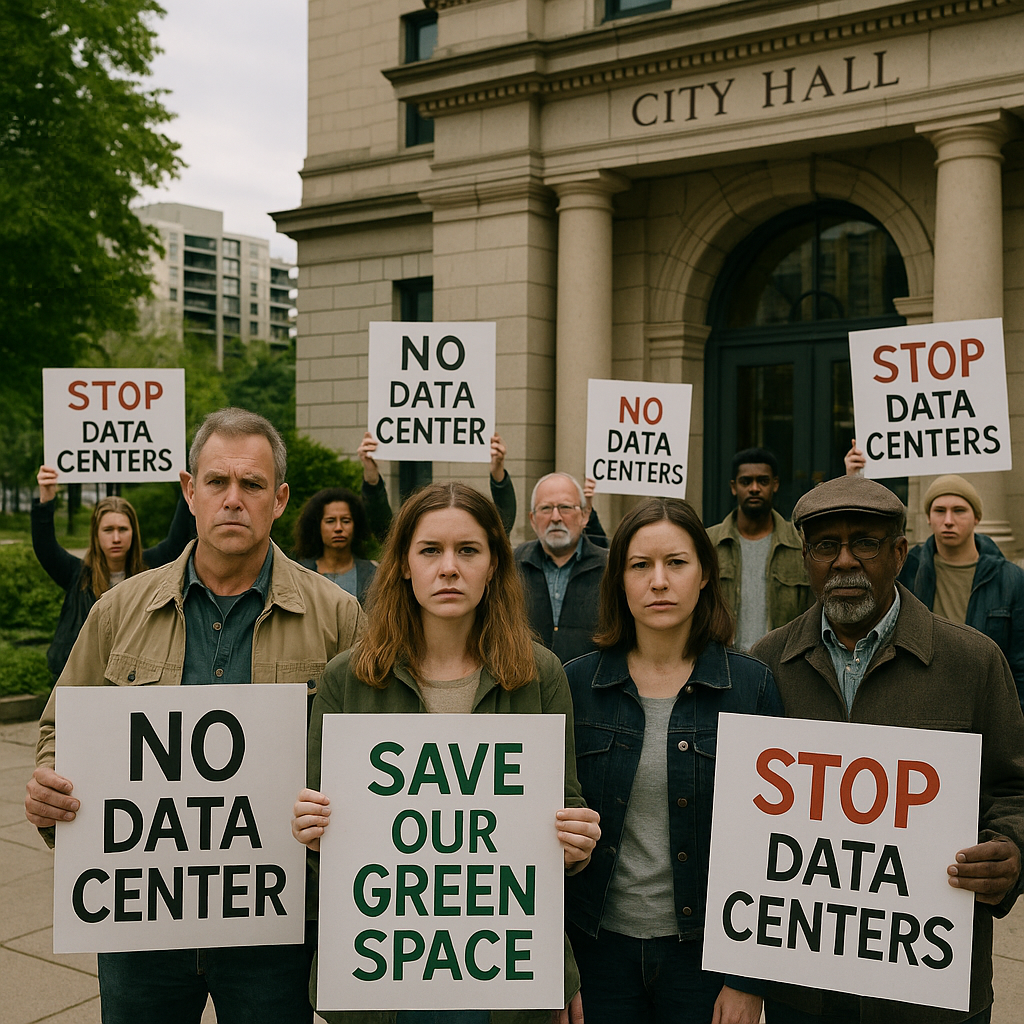
In a historic move, residents of Monterey Park, California, have overwhelmingly voted to permanently ban the construction of datacenters within city limits, setting a precedent that could ripple across the nation. The ballot initiative, held on June 2, garnered an unprecedented 86.3% of votes in favor of the prohibition. This development marks a major victory for local activists concerned about environmental impact, infrastructure strain, and quality of life.
The Growing Controversy Around Datacenters
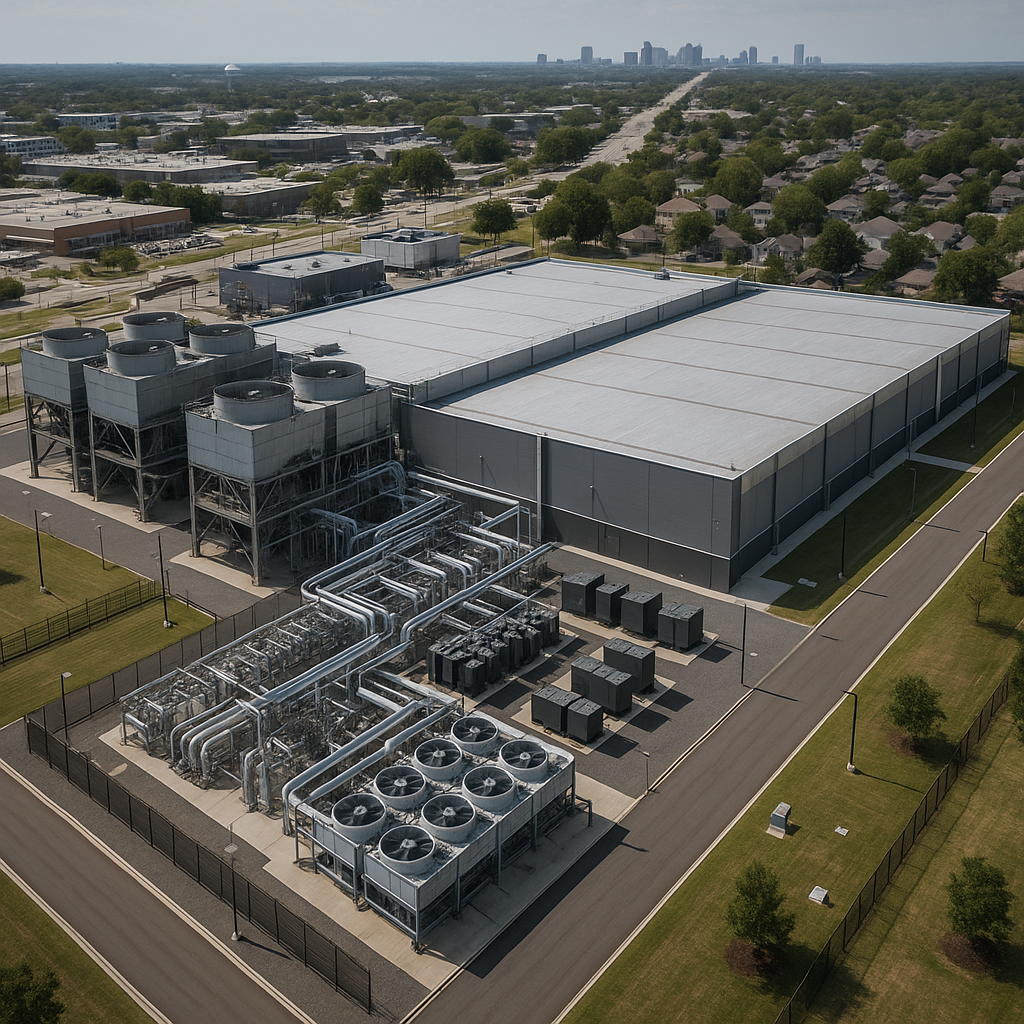
Datacenters—massive facilities housing servers and computing infrastructure—play a vital role in sustaining the digital economy. From supporting cloud software to driving artificial intelligence applications, these hubs are widely regarded as the backbone of technological innovation. However, their growth comes with significant drawbacks, particularly in urban communities.
Critics in Monterey Park have long raised concerns about datacenters’ environmental footprint, which includes high energy consumption, water usage, and carbon emissions. According to a report from the Uptime Institute, datacenters globally consumed an estimated 205 terawatt-hours of electricity in 2025, putting immense pressure on grids and increasing utility costs for nearby residents.
While temporary moratoriums on datacenters have become common in municipalities like Santa Clara County and Virginia’s Loudoun County, Monterey Park’s decisive move stands apart due to its direct voter involvement. As Jose Sanchez, a Monterey Park city councilmember, stated after preliminary results, “This victory shows unequivocally that residents prioritize their environment and community over corporate encroachment.”
Environmental and Economic Concerns
Opposition to datacenters stems from more than environmental impact. Industry observers point out that these facilities place significant strain on local infrastructure. High demands on electricity and water can drive up residential costs and substantially alter zoning, making them undesirable, especially in suburban areas like Monterey Park.
The proposed datacenter by HMC StratCap would have occupied nearly 250,000 square feet, raising alarms about proximity to homes and schools. Residents feared the noise pollution from cooling systems, the threat of heat islands, and increased heavy vehicle traffic during construction. Ultimately, developers withdrew their application following escalating protests and the April moratorium.
Analysts also note broader economic concerns tied to datacenter projects. A ballot initiative in Wisconsin’s Port Washington, for example, recently required that taxpayers approve any incentives extended to datacenter developers. This highlights the national conversation around the financial burden public subsidies place on communities.
National Trends in Local Resistance
Monterey Park’s decision mirrors a growing sentiment across the United States. According to Gallup polling, seven in ten Americans oppose the construction of AI datacenters in their local areas, citing reasons ranging from land use to climate change. Several cities, including Janesville, Wisconsin, and Augusta Township, Michigan, are slated to hold similar votes this year on topics like rezoning and cost controls tied to datacenter development.
Jennifer Lee, a policy analyst specializing in urban planning, observed that Monterey Park’s success represents “a tipping point in community-led resistance to technological giants.” She added, “This isn’t just about datacenters; it’s about ensuring people have a voice in shaping their neighborhoods.”
On the national level, President Trump’s administration has faced criticisms from environmental organizations over its relaxed energy regulations for datacenters and tech manufacturing zones. While federal goals prioritize economic growth and innovation, local governments are beginning to push back. As reported by Reuters, several Republican-held states have also raised debates about infrastructure investment and energy allocation amid the exponential rise of AI technologies.

Implications and the Road Ahead
Monterey Park’s groundbreaking move may set an example for other communities grappling with the disruptive effects of datacenter development. Similar legislative efforts, such as the ballot measures in Augusta Township and Port Washington, could further empower suburban and rural residents who feel sidelined by large-scale industrial projects.
For the tech industry, this trend signals a need for adaptation. Even though datacenter demand is soaring due to AI adoption and digitization, developers may increasingly face scrutiny over their sustainability practices and community engagement. “The industry needs to double down on green innovations,” said Dr. Katie Chang, an environmental engineer specializing in clean tech solutions. “This includes renewable energy integration, water recycling systems, and transparent impact studies.”
As more cities consider bans, observers expect debates to emerge at state and federal levels. Could states preempt local prohibitions through legislation? Or, will a patchwork of local regulations define the landscape? The answers could reshape how datacenters operate in America.
What to Watch For
All eyes are on upcoming votes in communities like Janesville and Augusta Township, which could see comparable bans or restrictions. Meanwhile, tech firms navigating this resistance will likely explore solutions like smaller localized datacenters and greener building designs that conserve resources. On Capitol Hill, policymakers may soon be tasked with balancing innovation with the voices of increasingly vocal communities.
Monterey Park’s decisive ballot victory showcases what can happen when local voices unite for change in an era of expanding corporate influence. Whether this represents the beginning of a larger movement remains to be seen.