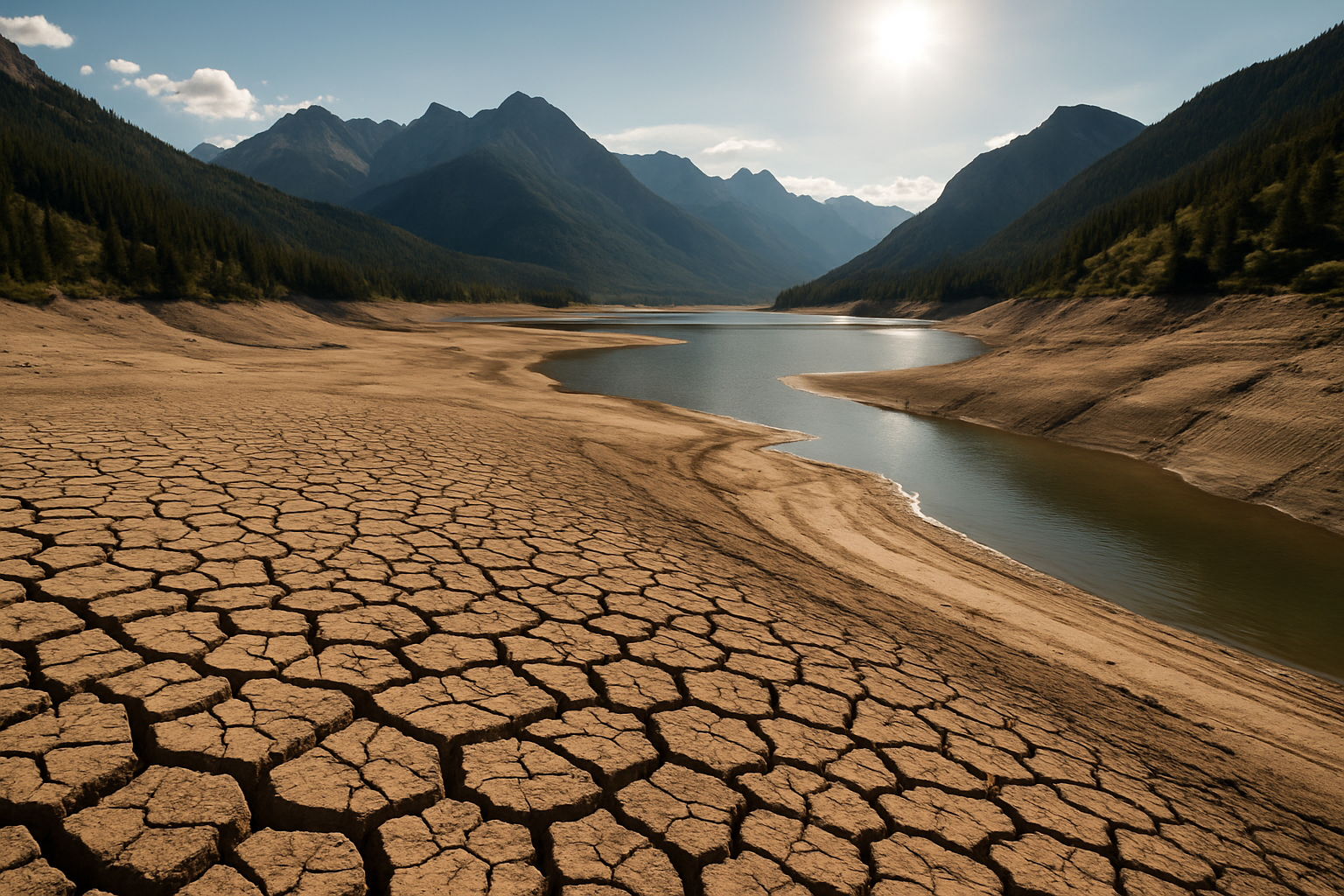
The Colorado drought emergency is no longer a local problem — it is now a statewide crisis. Governor Jared Polis officially declared a statewide drought emergency in early June 2026, activating emergency resources and putting every county on notice as reservoirs sink to alarming levels.
What Triggered the Colorado Drought Emergency?
Colorado has endured a dangerously dry spring after a winter with well-below-average snowpack across the Rockies. Snowmelt feeds the rivers and reservoirs that millions of residents and farms depend on. This year, that melt came early and thin, leaving the state’s water supply critically short heading into summer.
According to Colorado Public Radio, state officials say conditions have deteriorated rapidly over recent weeks. The U.S. Drought Monitor currently classifies large portions of Colorado under “extreme” or “exceptional” drought — the two most severe categories on its five-tier scale.
State water managers warned that several key reservoirs are sitting at or near record lows for this time of year. That means less water for municipal systems, agriculture, and the ecosystems that depend on healthy river flows.
Who Is Most at Risk from Drought Conditions?
The drought conditions hit three groups especially hard: farmers, small rural communities, and wildfire-prone areas.
- Farmers and ranchers face sharply reduced irrigation allocations. Many are already deciding which fields to fallow or which livestock to sell early.
- Small towns that rely on surface water or shallow wells could see supply disruptions within weeks if dry conditions persist.
- Firefighters are bracing for a severe wildfire season. Dry vegetation combined with low humidity creates dangerous conditions across the Front Range and Western Slope.
The western drought affecting states from Colorado to California has been intensifying for years, but 2026 is shaping up as one of the most severe stretches on record for the region.
The Colorado Drought Emergency Declaration: What It Means
A statewide emergency declaration is not just symbolic. It unlocks several practical tools for state agencies.
The declaration allows Colorado to fast-track water-sharing agreements between districts. It also enables the state to waive certain administrative rules that would otherwise slow emergency water transfers. State agencies can now coordinate more directly with federal partners, including the Bureau of Reclamation, to manage dwindling supplies in federal reservoirs.
Local governments gain access to state assistance funds to help maintain safe drinking water for residents. Outdoor water restrictions are expected to roll out across multiple municipalities in the coming days.
Water Shortage Impacts on Colorado’s Economy
The economic fallout from the water shortage will be significant. Colorado’s agriculture sector generates billions of dollars annually, and reduced irrigation directly cuts into crop yields and livestock operations. Tourism tied to rivers — rafting, fly fishing, and camping — also faces a difficult summer as stream flows drop.
Energy production is another concern. Hydroelectric output from several facilities along the Colorado River system will likely fall, adding pressure to an already strained regional power grid during peak summer demand.
Wildfire Risk Climbs Alongside the Colorado Drought Emergency
The Colorado drought emergency compounds an already elevated wildfire risk. The Colorado Division of Fire Prevention and Control has moved into its highest readiness posture weeks earlier than usual in 2026. Fire bans are already in effect in several counties along the Front Range and in the San Juan Mountains.
Residents in fire-prone areas are urged to create defensible space around their homes, clear dry brush, and sign up for emergency alerts through their county sheriff’s office. The combination of drought conditions, low humidity, and seasonal winds makes rapid fire spread a real possibility this summer.
What Residents Can Do Right Now
Water conservation at the individual level matters. Every gallon saved helps stretch limited supplies further. Here are practical steps Colorado residents can take today:
- Water lawns and gardens only in early morning or evening to reduce evaporation.
- Fix leaky faucets and toilets — a single dripping faucet can waste thousands of gallons a year.
- Replace thirsty grass with drought-tolerant native plants.
- Avoid washing cars at home; use commercial car washes that recycle water.
- Check your water utility’s website for local restrictions and rebate programs for efficient appliances.
State officials stress that voluntary conservation now could help prevent mandatory restrictions later in the season.
A Broader Western Drought Pattern
Colorado is not alone. The western drought stretching across the Colorado River Basin affects seven U.S. states and millions of people. Lake Powell and Lake Mead — the two largest reservoirs in the country — remain well below historical averages. Federal officials continue to negotiate water-use cutbacks among the basin states.
Experts say climate change is extending drought cycles and making extreme dry spells more frequent and intense across the American West. Investments in water recycling, storage, and efficiency will be critical for long-term resilience.
On the health front, drought-related issues like dust storms and poor air quality can spike respiratory problems for vulnerable populations. For more on how environmental stressors affect public health, see how environmental health crises unfold quickly at the community level. Communities dealing with infrastructure stress also face compounding challenges, much like those documented in the Tennessee data center law that shifted electricity costs to residents.
The Colorado drought emergency is a warning sign for the entire region. Acting now — at both the policy and household level — is the only way to cushion the blow of what could be a long, dry summer ahead.