Switzerland is heading to the polls on a proposal to legally cap its population at 10 million people, according to the BBC, which first reported the referendum details. The Swiss government has confirmed the initiative collected enough signatures to trigger a national vote — a direct product of the country’s renowned direct democracy system.
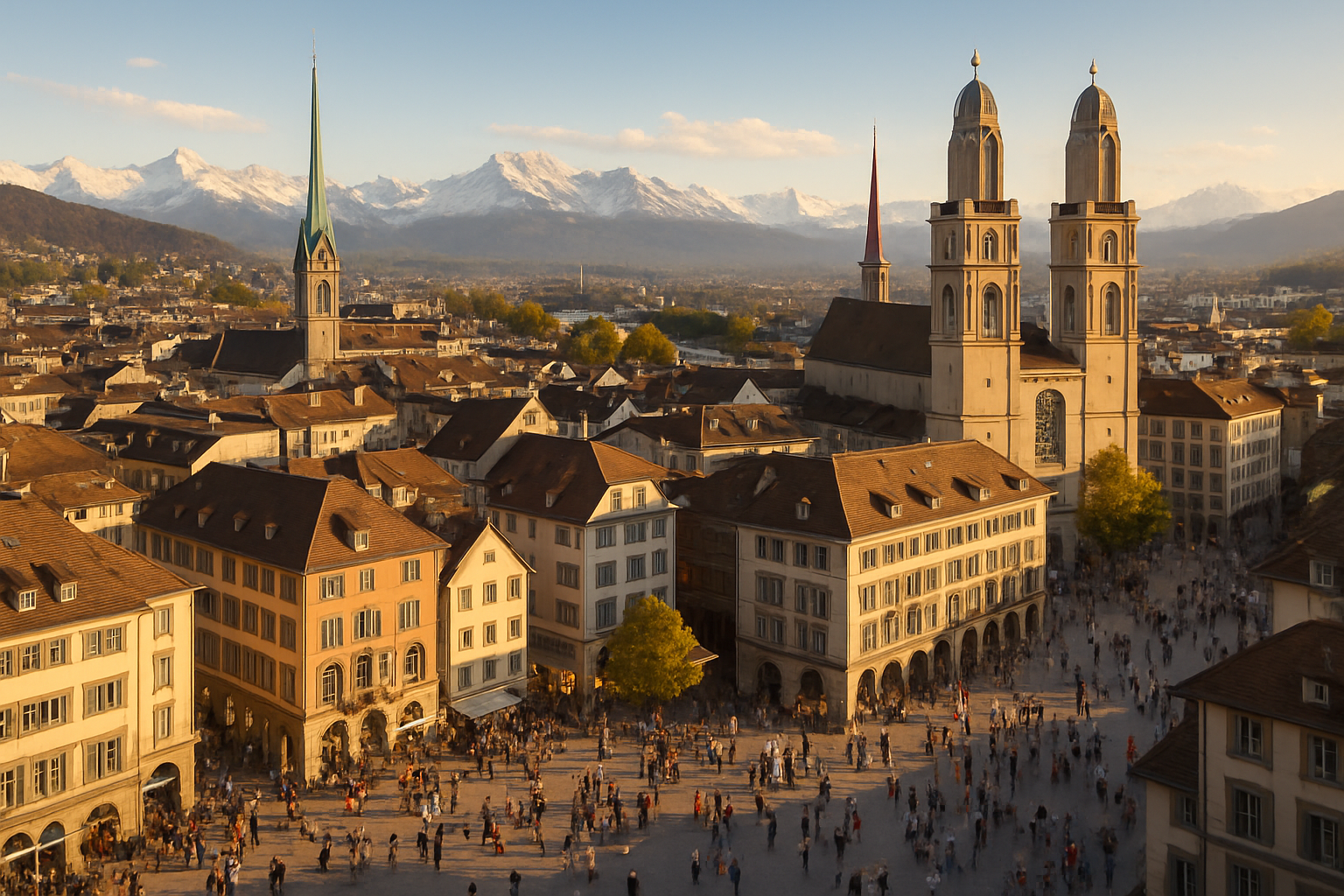
Switzerland’s current population sits at roughly 9 million. The non-obvious detail here: the initiative would not just limit immigration — it would require the government to actively reduce the population back below 10 million if the threshold were ever crossed, a far more sweeping demand than a simple border control measure.
What the Swiss Population Cap Initiative Actually Proposes
The initiative, backed by a nationalist campaign group, would enshrine the 10 million figure directly into Switzerland’s federal constitution. Once there, it would legally oblige the government to craft policies — across immigration, asylum, and residency — that keep the headcount from exceeding that ceiling.
Crucially, the Swiss population cap would apply to the total number of people living in the country, not just new arrivals. That means the government would need to engineer population levels rather than simply slow inflows at the border. Critics argue this raises serious human rights concerns, particularly around what happens to long-term residents if numbers creep past the limit.
The proposal emerges in a country that has seen rapid population growth over the past two decades, driven largely by high demand for skilled workers and the country’s status as a hub for international organizations, finance, and pharmaceuticals.
Switzerland’s History With Immigration Votes
This is not Switzerland’s first brush with a Swiss referendum on immigration limits. In 2014, Swiss voters narrowly approved the “Stop Mass Immigration” initiative, which forced the government to renegotiate elements of its relationship with the European Union. That vote sent shockwaves through Switzerland-EU relations and led to years of difficult bilateral talks.
The current initiative is seen by analysts as a more radical successor to that 2014 vote. Where the earlier measure focused on managing migration quotas, this one sets a hard constitutional ceiling on the entire resident population — citizens included in the count.
Switzerland’s direct democracy model means citizen-led initiatives can reach a national ballot if they gather 100,000 valid signatures within 18 months. The population cap campaign cleared that bar, making a nationwide vote mandatory.
Who Supports It — and Who Opposes It
Supporters argue that unchecked population growth strains housing, infrastructure, and the natural environment. Switzerland’s housing market has tightened significantly in recent years, with rents in cities like Zurich and Geneva climbing sharply. Proponents frame the cap as a tool to protect quality of life and preserve what they describe as the country’s social cohesion.
Opponents — including most mainstream political parties, business groups, and humanitarian organizations — say the initiative is both unworkable and dangerous. Business lobbies warn it would cripple Switzerland’s ability to recruit the international talent its economy depends on. Human rights advocates say compulsory population reduction policies are incompatible with international law and basic dignity.
The Swiss government itself has come out against the proposal, arguing it conflicts with Switzerland’s international commitments, including agreements with the EU on the free movement of persons. A formal recommendation to reject the initiative is expected ahead of the vote date, which has not yet been set.
What a Yes Vote Would Mean in Practice
If Swiss voters approve the 10 million cap, the government would face an enormous implementation challenge. Legal residents from EU countries currently enjoy the right to live and work in Switzerland under bilateral treaties. Overriding those rights to comply with a population ceiling could trigger a full breakdown of the Switzerland-EU framework agreement — an outcome that would affect trade, research funding, and travel.
The Swiss population vote would also put pressure on the country’s asylum system. Switzerland accepted tens of thousands of refugees in recent years, and any cap mechanism would likely generate fierce debate over which categories of residents count toward the limit and which do not.
For a broader look at how resource constraints are reshaping policy conversations globally, see our coverage of why Cushing oil inventory hitting historic lows signals deeper supply pressures — a reminder that scarcity debates are playing out across multiple sectors simultaneously.
The Bigger Picture: Immigration Politics Across Europe
Switzerland’s vote reflects a wider tension in Europe between economic openness and public anxiety about demographic change. Several EU member states have tightened asylum rules or pushed for stricter external border controls in 2025 and 2026. Switzerland, while not an EU member, tracks these debates closely given its deep economic ties to the bloc.
What makes the Swiss case distinctive is the mechanism: rather than leaving the question to parliament, direct democracy puts it directly to citizens. That gives the outcome a democratic legitimacy that top-down policy changes lack — but it also means populist initiatives can clear legal hurdles that legislatures might otherwise block.
For context on how legal battles over institutional transparency are playing out in Switzerland, our earlier report on Palantir losing its bid to force a Swiss magazine to publish responses shows the country’s courts are not shy about pushing back against powerful interests.
What Happens Next
The Swiss Federal Council must now set a vote date and issue its official recommendation — the latter is almost certain to be a rejection. Campaigning on both sides will intensify in the months ahead. Polls taken ahead of the 2014 immigration vote showed initial majority support that narrowed dramatically as the vote neared, suggesting the outcome here is far from predetermined.
Watch for the EU’s formal response once a vote date is confirmed. Brussels has signaled in the past that any Swiss move to curtail free movement would trigger an automatic review of bilateral agreements — stakes high enough to shape how undecided Swiss voters ultimately decide.