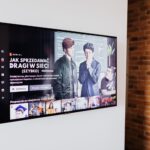
Fox Corporation has agreed to acquire Roku in a $22 billion all-stock deal, according to WISH-TV and multiple national reports published June 16, 2026. The transaction hands Fox control of one of the most widely used streaming platforms in the United States, instantly transforming the media giant from a content producer into a full-stack streaming powerhouse.

The less-obvious detail buried in the announcement: Roku currently operates on more than 90 million active accounts — meaning Fox’s content and advertising infrastructure will have direct access to a user base that rivals the combined reach of several major cable networks.
What the Fox Buying Roku Deal Actually Involves
Under the terms of the agreement, Fox will acquire Roku in an all-stock transaction valued at approximately $22 billion. Roku shareholders will receive Fox stock in exchange for their shares. The deal is subject to regulatory review, which analysts expect to be the most significant hurdle given current scrutiny of large media mergers.
Roku’s business has two major pillars: the Roku OS, which powers millions of smart TVs from brands like TCL and Hisense, and The Roku Channel, a free ad-supported streaming service. Fox gains both. That means Fox won’t just distribute content through Roku — it will own the operating system sitting beneath competitors’ apps like Netflix, Disney+, and Max on those same devices.
Why Fox Wants a Streaming Platform
Fox has largely stayed out of the subscription streaming race that defined the early 2020s. While rivals poured billions into Netflix-style services, Fox leaned into live sports, news, and free ad-supported television (FAST). The Roku acquisition fits that strategy perfectly.
Roku’s ad-supported model already aligns with how Fox makes money. Combining Fox’s live sports rights — including NFL, MLB, and college football — with Roku’s massive ad platform could create one of the most lucrative connected-TV advertising businesses in the country. Advertisers pay a premium to reach live sports viewers, and Fox would now control both the content and the pipe delivering it.
The deal also gives Fox a hardware and software footprint it has never had. Roku-powered TVs are among the best-selling smart TVs in the U.S., which means Fox’s apps and content could be featured more prominently at the operating system level — a significant competitive edge in the increasingly crowded media landscape where platform control drives discovery.
What This Means for Roku Users
For the tens of millions of people who use a Roku device or a Roku-powered TV, the immediate question is: will anything change? In the short term, almost certainly not. Fox will want to maintain Roku’s reputation as a neutral platform — one that carries all major streaming apps without favoritism — because that neutrality is core to Roku’s value.
Over time, however, users could see Fox content more prominently promoted on the Roku home screen, tighter integration between the Roku Channel and Fox-owned properties like Tubi (which Fox already owns), and potentially bundled advertising packages that make Fox’s live sports more accessible to cord-cutters.
- Tubi + Roku Channel: Fox already owns Tubi, one of the largest FAST services in the U.S. Merging Tubi’s content library with The Roku Channel’s reach could create a dominant free streaming destination.
- Live sports on Roku OS: Fox holds rights to the NFL, MLB postseason, and major college football — content that could be highlighted directly within the operating system.
- Ad platform power: Combined, the two companies’ ad tech could give brands a single, massive connected-TV buy spanning tens of millions of households.
Regulatory Road Ahead
The $22 billion price tag will draw attention from federal regulators. A media company owning both premium live content rights and a dominant TV operating system raises clear questions about vertical integration. Regulators will likely examine whether Fox could disadvantage rival streaming apps on the Roku platform or use its OS-level access to preference its own content.
The media merger landscape in 2026 has been active and closely watched. Deals of this scale typically take 12 to 18 months to clear regulatory review, meaning the acquisition may not close until late 2027 at the earliest.
The Bigger Picture for Streaming
The Fox–Roku deal signals that the streaming wars have entered a new phase — one defined less by who has the best content library and more by who controls the infrastructure. Owning the platform is now as valuable as owning the shows.
This mirrors moves happening across the broader tech and media space, where scale and control increasingly determine long-term viability. For cord-cutters who thought they escaped the grip of big media by dropping cable, the Fox–Roku acquisition is a reminder that the pipes have simply moved — and the fight to own them is far from over.
Roku’s stock surged on the news, while Fox shares dipped modestly — a typical market reaction to an all-stock acquisition of this size. Both companies’ boards have approved the deal. The next milestone will be the regulatory filing, expected within weeks.