President Donald Trump abruptly shifted his tone on Iran at the G7 summit in France this week, declaring that the framework nuclear agreement currently being negotiated is “not final” and threatening to resume military strikes if Tehran fails to meet U.S. demands. The remarks, reported by the Hindustan Times, came just days after his administration had signaled cautious optimism about progress in diplomatic back-channel talks with Iranian officials.
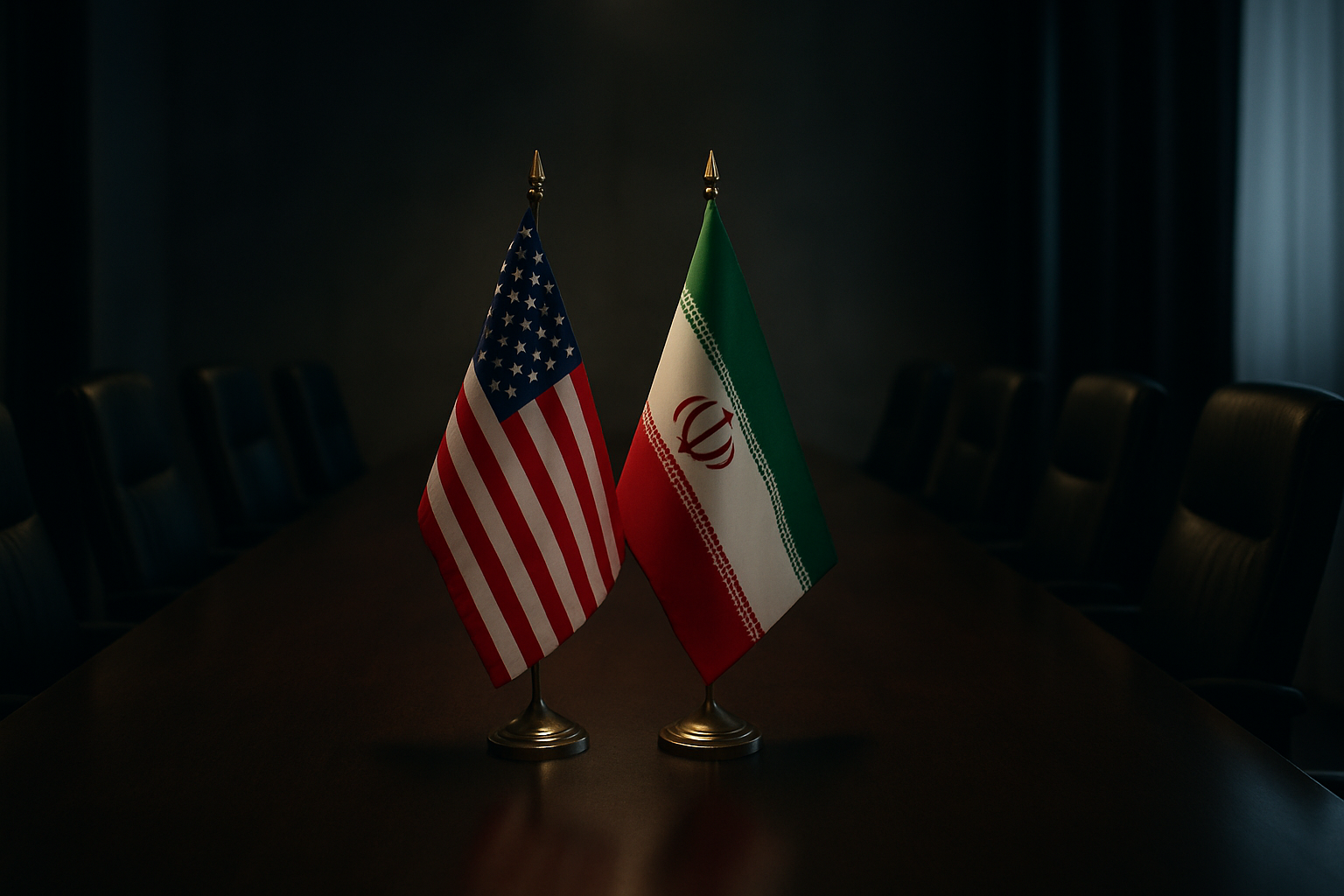
The non-obvious detail buried in the diplomatic noise: Trump’s warning specifically tied any military resumption to Iran’s behavior during the negotiation window — meaning he is threatening to restart strikes not as a consequence of failed talks, but as leverage while talks are still ongoing. That is a notable escalation in negotiating posture.
Trump’s Exact Warning at the G7
Speaking on the sidelines of the G7 meeting, Trump told reporters that the United States would go “back to shooting” and could “drop bombs” on Iran if the country did not behave in a way that satisfied Washington. He framed the current ceasefire in U.S.-Iran military tensions as conditional and entirely reversible, making clear he views military force as a live option on the table — not a last resort.
The remarks landed as a sharp contrast to statements from Trump’s own envoys just last week, who described the nuclear talks as progressing and indicated a broader agreement could be within reach. That optimism now appears to have a hard expiration date attached.
Where Iran Nuclear Negotiations Stand
The current round of Tehran negotiations centers on Iran’s uranium enrichment levels, the pace of sanctions relief, and verification mechanisms for any new deal. Iran has reportedly pushed back on U.S. demands for more intrusive inspections and a faster timeline for dismantling enrichment infrastructure.
Iran’s foreign ministry has not issued a formal response to Trump’s G7 comments as of publication time, but Iranian officials have consistently warned that public ultimatums make a deal harder, not easier, to reach. Supreme Leader Ali Khamenei has previously said Iran will not negotiate “under pressure” — a position that puts Trump’s bomb-dropping rhetoric directly at odds with the conditions Tehran says it needs to sign any agreement.
International observers at the G7, including representatives from the EU, expressed concern that the shift in tone could derail months of quiet diplomatic work. The European parties to the original 2015 JCPOA have remained engaged as informal mediators in the current talks.
Military Threat Raises Stakes on Iran Sanctions Talks
The Trump administration has kept sweeping Iran sanctions in place throughout the negotiation period. Some analysts had expected the U.S. to offer partial, phased sanctions relief as a goodwill gesture to keep Iran at the table. Trump’s latest warning makes that kind of confidence-building move politically difficult, at least in the short term.
The threat also arrives as Gulf Arab states are watching the U.S.-Iran dynamic closely. Saudi Arabia and the UAE have invested significant diplomatic capital in their own parallel de-escalation with Tehran, and an open U.S. military threat risks complicating that regional détente.
For context on how allied nations are weighing their own intelligence and strategic dependencies on the U.S. right now, NarwhalTV previously reported on how French intelligence services dropped Palantir over U.S. overreliance fears — a signal that Washington’s partners are quietly hedging their bets across multiple fronts.
What Happens Next
Negotiators from both sides are still scheduled to meet in the coming weeks, though no confirmed date for the next formal session has been announced publicly. The critical question is whether Iran treats Trump’s G7 remarks as genuine policy or as negotiating bluster — and whether its own hardliners use the comments as justification to walk away from the table entirely.
The G7 partners are expected to push for a joint statement urging continued diplomatic engagement with Iran, though reaching consensus on language will be harder after Trump’s comments. France, which is hosting the summit, has historically played a bridging role between Washington and Tehran.
For the Trump administration, the political calculus is clear: appear tough on Iran at home while still claiming credit for any eventual deal. Whether that dual-track approach leaves enough room for Iran to say yes is the central uncertainty heading into the next phase of talks.
Watch this space: if Iran responds with its own escalatory statement or accelerates enrichment activity, the chances of a deal narrow fast. If Tehran stays quiet and lets diplomats work, there may still be a path forward — just a narrower one than it appeared a week ago.