A teenager died after being thrown from a horse-drawn carriage in New York City’s Central Park, according to the Associated Press. The fatal incident has reignited a long-running debate over the safety — and future — of the city’s carriage horse industry.
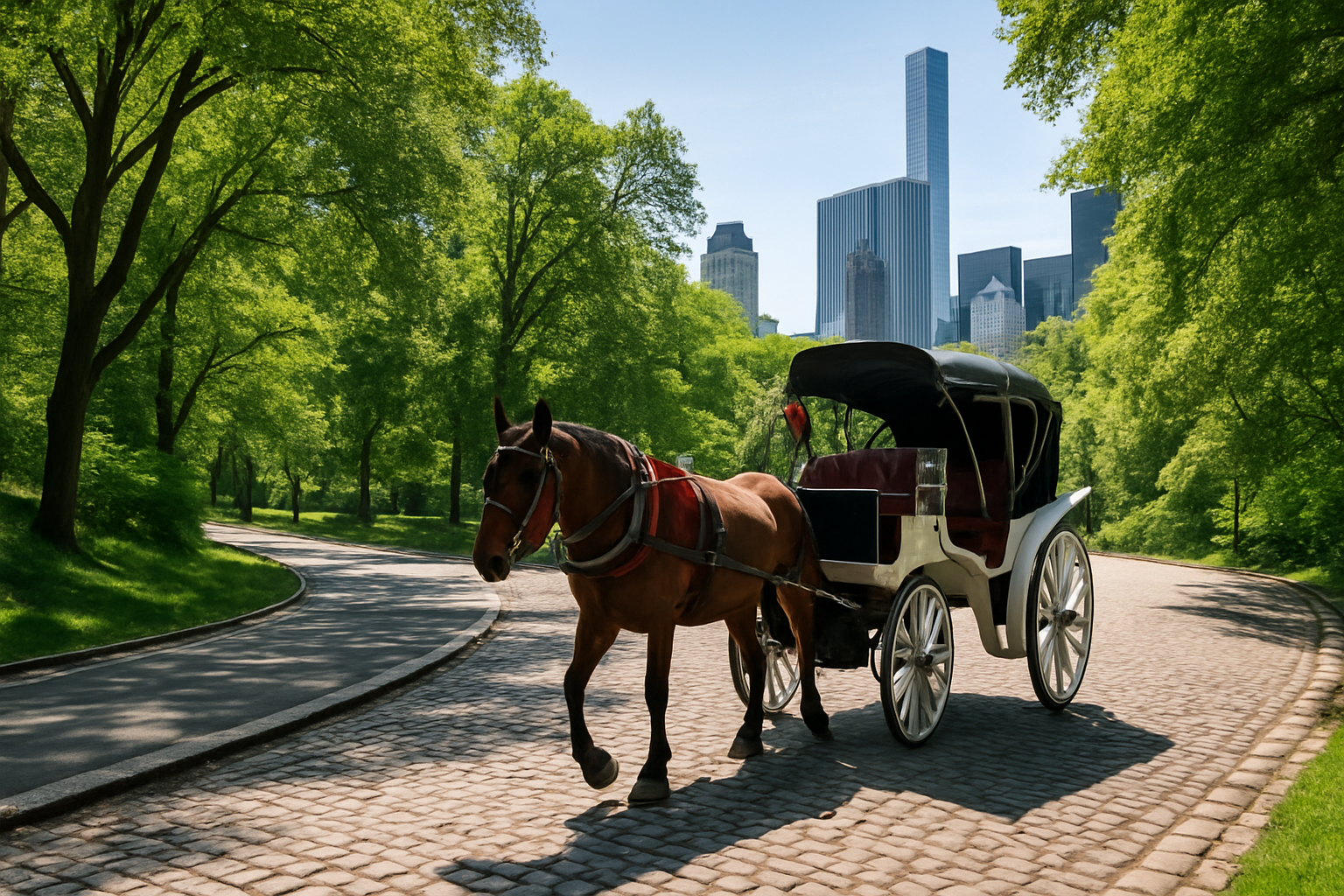
The victim, a teenager whose name has not been publicly released pending family notification, was ejected from a Central Park horse carriage during the incident. Emergency responders rushed the teen to a nearby hospital, where they were later pronounced dead. New York City police are investigating the circumstances of the crash.
What Made This Crash Unusual
One detail stands out beyond the tragedy itself: Central Park’s carriage horse routes are among the most strictly regulated in the country, with designated lanes, speed limits, and required rest periods for horses built into city code. Despite those rules, the carriage apparently became uncontrolled before the teenager was thrown — raising immediate questions about whether the existing regulations are actually enforced on the ground.
Carriage horses in New York City must be licensed individually and are subject to regular veterinary inspections. However, critics have long argued that inspections are infrequent and that spooked or overworked animals still pose a serious risk to passengers and pedestrians on busy park roads.
A City-Wide Debate That Won’t Go Away
The Central Park horse carriage industry has faced calls for an outright ban for well over a decade. Animal welfare groups, including the Coalition to Ban Horse-Drawn Carriages, have repeatedly pointed to accidents and heat-related horse deaths as evidence that the practice is inherently dangerous in an urban environment. The industry’s defenders — including carriage drivers and tourism advocates — argue the trade is tightly regulated and culturally significant to the city.
New York City lawmakers have introduced and shelved carriage ban legislation multiple times. The death of a passenger, particularly a minor, is likely to bring fresh legislative pressure. City Council members who have championed a ban in previous sessions are expected to respond publicly in the coming days.
Horse Carriage Accidents in New York: Not Isolated
This is not the first serious horse carriage accident in Central Park. Over the past several years, incidents involving spooked horses — bolting into traffic, colliding with park barriers, or throwing riders — have been documented by both city agencies and news outlets. In at least one prior case, a carriage horse collapsed in the street, drawing national attention and a temporary suspension of operations for the operator involved.
The horse-drawn carriage safety debate also intersects with broader conversations about animal welfare. Activists argue that keeping large draft horses in urban stables and working them on asphalt in extreme heat or cold constitutes mistreatment, regardless of accident risk.
What Happens Next
New York City police have opened an investigation into the teenager’s death. The carriage operator involved has not yet been publicly identified, and it is unclear whether any criminal charges are being considered. The city’s Department of Health, which oversees carriage horse licensing, may also conduct a parallel review.
New York’s carriage horse industry currently operates under rules established after earlier controversies, including mandatory water access for horses, a cap on daily working hours, and a ban on operation during extreme weather. Whether those rules will be tightened — or whether calls for a full ban will gain new traction at City Hall — will depend in part on what investigators find about how this accident unfolded.
For context on how city economies and public safety intersect in surprising ways, see our coverage of Tropical Cyclone One threatening the Texas coast and how urban infrastructure holds up under pressure — and our look at Oklahoma voters rejecting a minimum wage hike, another story where economic tradition and public welfare collided at the ballot box.
The teenager’s family is being supported by city officials. As the investigation continues, New York faces a familiar but newly urgent question: at what point does tradition become an unacceptable risk?