Cervical cancer deaths among young women in England have dropped to effectively zero — a direct result of the HPV vaccine program launched in 2008, according to a landmark study reported by the BBC. The research, which tracked women who were offered the vaccine as schoolgirls, marks the first time scientists have recorded the near-total elimination of a cancer through a national immunization effort.
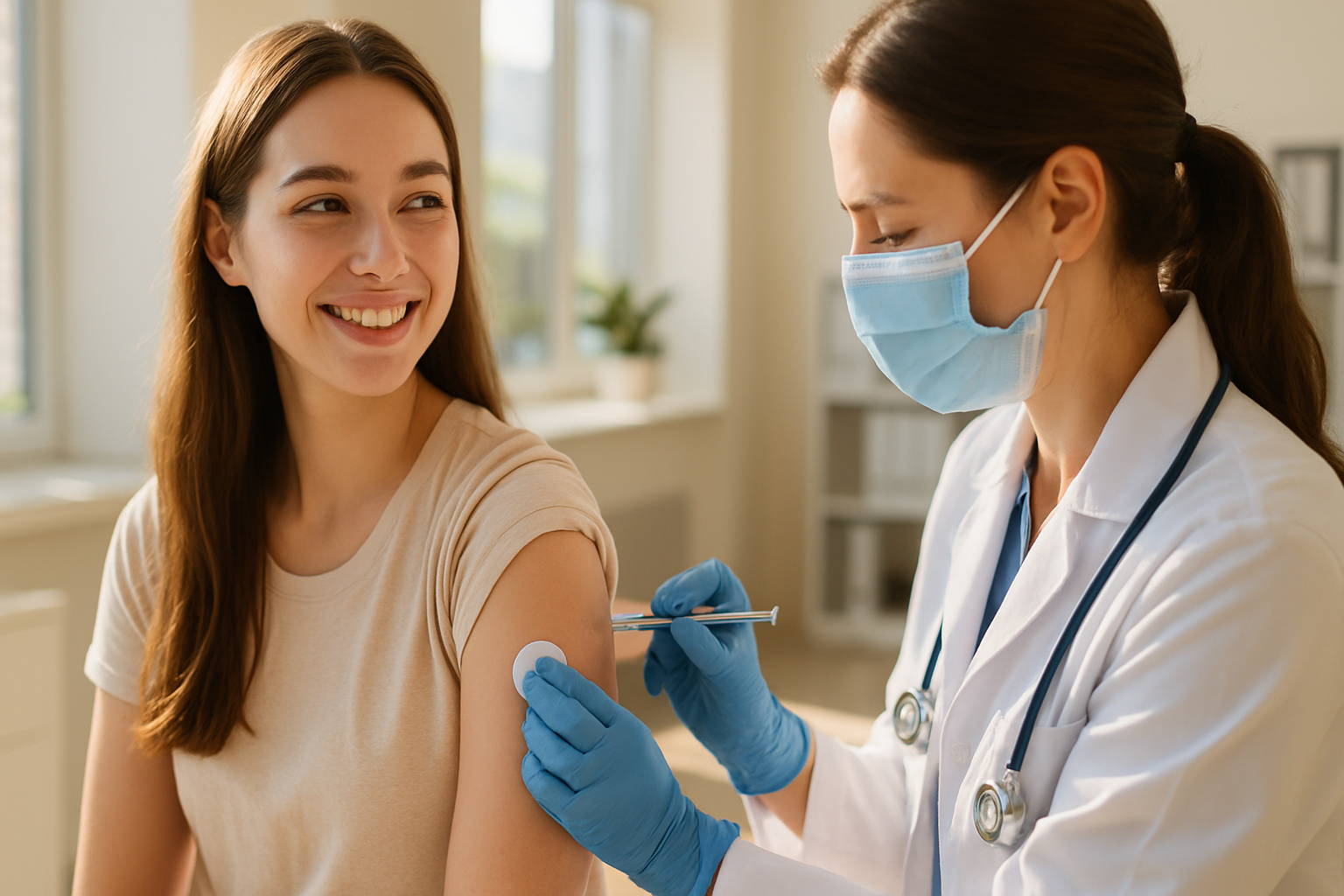
The non-obvious detail buried in the data is striking: not a single cervical cancer death was recorded in women vaccinated at age 12 or 13 — the earliest and most effective window for the jab. That specific finding sets this apart from merely a reduction in cases; it is, for that cohort, a functional eradication.
What the HPV Vaccine Study Actually Found
Researchers analyzed cancer registry data covering women who went through England’s school-based HPV vaccination program from its rollout nearly two decades ago. The results showed that women vaccinated at ages 12–13 had virtually zero cervical cancer deaths and dramatically fewer diagnoses compared to unvaccinated groups. Women vaccinated slightly later — at 14 to 18 — also showed major reductions in both cancer incidence and mortality, though the protective effect was somewhat smaller, underscoring how critical early vaccination is.
The study did not just measure deaths. It also found steep drops in pre-cancerous cervical lesions, which are the earliest warning sign that invasive cancer could develop. Fewer lesions mean fewer women going through stressful, painful, and costly treatments — a ripple effect across the entire healthcare system.
Why Timing and Coverage Are Everything
HPV, or human papillomavirus, is the virus responsible for virtually all cervical cancers. The vaccine works best before any exposure to the virus, which is why it is offered to children before they become sexually active. England’s program targeted 12- and 13-year-olds, and the data now confirms that early window is not just preferable — it is transformative.
Cancer prevention experts have long argued that the HPV vaccine is one of the most powerful tools in modern medicine. This study provides the clearest real-world proof yet. It also adds urgency to closing vaccination gaps that have widened in several countries due to vaccine hesitancy and pandemic-era disruptions.
In the United States, the CDC recommends the HPV vaccine for all preteens at age 11 or 12, with catch-up vaccination available through age 26 for those who missed earlier doses. Despite strong medical consensus, U.S. HPV vaccination rates have lagged behind the UK, making the English data particularly relevant for American public health conversations.
A Blueprint for Global Cancer Elimination
The World Health Organization has set a global target to eliminate cervical cancer as a public health problem — defined as fewer than four cases per 100,000 women — by 2030. England’s results suggest that target is achievable where high vaccination coverage is maintained from an early age.
For countries still scaling their programs, the English data functions as a proof of concept. A disease that killed thousands of women annually can be stopped, not just slowed, through consistent school-based vaccination. The key variables are access, timing, and uptake.
The findings also carry weight beyond cervical cancer. HPV is linked to cancers of the throat, anus, penis, vagina, and vulva. While this study focused on cervical outcomes, researchers expect similar protective effects to emerge in data on those cancer types as vaccinated cohorts age into higher-risk years.
What This Means for Women Alive Today
For women in their late teens and twenties who were vaccinated through school programs, the news is genuinely reassuring. For those who were not vaccinated — or who received fewer than the recommended doses — catch-up vaccination is still available and still beneficial, even if the protection is not quite as complete as early vaccination.
Regular cervical screening remains important for all women, vaccinated or not, because the current vaccines do not protect against every HPV strain. Screening catches cases that vaccination misses, and the combination of both tools is what pushes risk as close to zero as possible.
This story comes on Juneteenth 2026, a day already marked by free state park access for California residents — and now, a reminder of what public health investment can achieve when it reaches communities equitably and early. For women’s health advocates, the English data is not just good news. It is a call to act with the same consistency everywhere else.
Researchers say follow-up studies will continue tracking the vaccinated cohorts as they age, with results on other HPV-related cancers expected within the next several years. The scientific community is watching closely — and so far, the vaccine is exceeding expectations.