June’s full strawberry moon is peaking this week, and CNN’s science desk reports it reaches its fullest illumination in the final days of June — arriving just days after the summer solstice, which is a rarer overlap than most people realize. The moon hit 100% illumination in the early hours of June 11, but it appears brilliantly full to the naked eye for two to three nights on either side of that moment.
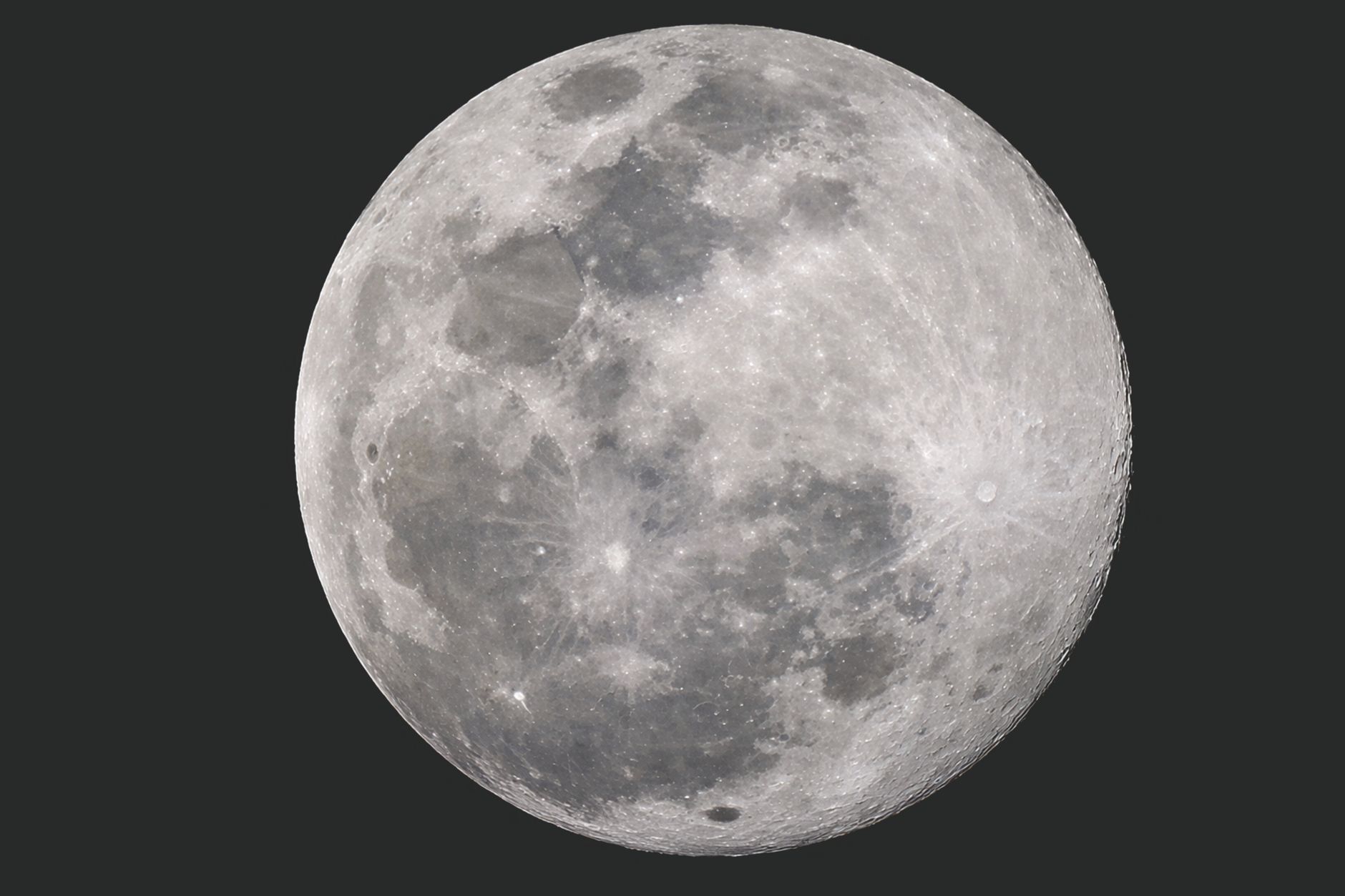
Here’s the non-obvious part: because the summer solstice pushes the full moon low on the horizon in the Northern Hemisphere, the strawberry moon tends to look larger and more orange than other full moons of the year. That’s not a physical change — it’s the moon illusion, an optical effect that makes a moon near the horizon appear bigger than one directly overhead. The low arc also means the moon spends more time lingering near the horizon’s warm atmospheric haze, deepening its color.
Where the “strawberry moon” name actually comes from
The name has nothing to do with the moon’s color. Indigenous Algonquin peoples of northeastern North America used it as a seasonal calendar marker — a signal that wild strawberries were ripening and ready to harvest. European settlers adopted the term, and it stuck. The Maine Farmers’ Almanac popularized it in print, cementing it in American sky-watching culture. Other cultures gave June’s full moon different names: Europeans called it the Rose Moon, and some South Asian traditions refer to it as the Hot Moon, marking the arrival of summer heat.
Best viewing windows across U.S. time zones
The moon is bright enough to see without any equipment, and no special gear is needed. Still, a few tips help you get the most out of it:
- Watch at moonrise, not midnight. The moon rises in the east shortly after sunset. That’s when it sits lowest — and looks biggest — due to the horizon illusion.
- Get away from streetlights. Even a short drive to a park or open field dramatically improves contrast and color depth.
- Binoculars beat the naked eye. A standard 7×50 pair reveals the Sea of Tranquility and major craters without the complexity of a telescope setup.
- Shoot in manual mode. Phone cameras over-expose the moon. Lock focus, lower exposure, and use a tripod or rest your elbows on a surface.
Clouds are the main enemy. The National Weather Service’s hourly forecasts — updated every hour — are the most reliable tool for finding a clear window. If cloud cover blocks your view, the moon remains effectively full for a second night.
Why the solstice timing makes this strawberry moon unusual
The summer solstice fell on June 20, 2026 — meaning this full moon arrived roughly ten days after the year’s longest day. That’s close enough to push the moon’s path notably low across the sky. The lower the moon’s arc, the longer it spends bathed in the thick atmospheric layer near the horizon, scattering blue light and passing orange and red wavelengths through. Think of it as the same physics behind a vivid sunset, applied to the moon over several hours.
This low-arc phenomenon is the geometric opposite of what happens in winter, when the full moon rides high and cold-white through the sky. Summer full moons hug the horizon; winter full moons soar. If you’ve ever wondered why a summer moon looks so dramatically warm compared to a January full moon, that’s the reason.
The next full moon after this one — July’s Buck Moon — arrives July 10, 2026, named for the period when male white-tailed deer begin growing new antlers. It won’t share the same solstice-adjacent geometry, so it will appear higher and whiter. For color and drama, the strawberry moon is genuinely hard to beat in the summer lineup.
How to track it if you miss tonight
NASA’s Moon Phase and Lunar Eclipses page publishes exact rise and set times by zip code, updated for 2026. It also shows the illumination percentage hour by hour, which is useful if you want to catch the moon before it wanes below 95% — the threshold at which most casual viewers start to notice the slightly shaved edge on one side.
Sky-watching has been surging as a low-cost, no-subscription hobby, and this strawberry moon lands on a summer weekend, giving a wide window for people to actually step outside without a weeknight alarm. Astronomers at the NASA-adjacent science community have noted consistently that full moon events drive a measurable spike in first-time telescope purchases — retailers typically see the bump within 48 hours of a high-profile lunar event.
If the heat index in your region is making an outdoor viewing session unappealing, the Virtual Telescope Project streams live moon events free online. The stream for this strawberry moon is expected to go live as the moon clears the eastern horizon on the East Coast. Check their YouTube channel for the exact start time — they publish it roughly six hours before moonrise.
The strawberry moon won’t return to this same near-solstice alignment until 2029, so this week’s version is worth a look while the timing is right.