Opponents of the sprawling data center construction boom held 142 protests across 42 US states, according to a Reuters report published July 18, 2026, marking the largest coordinated pushback yet against facilities built to power the artificial intelligence industry. The protests were reported by Reuters.
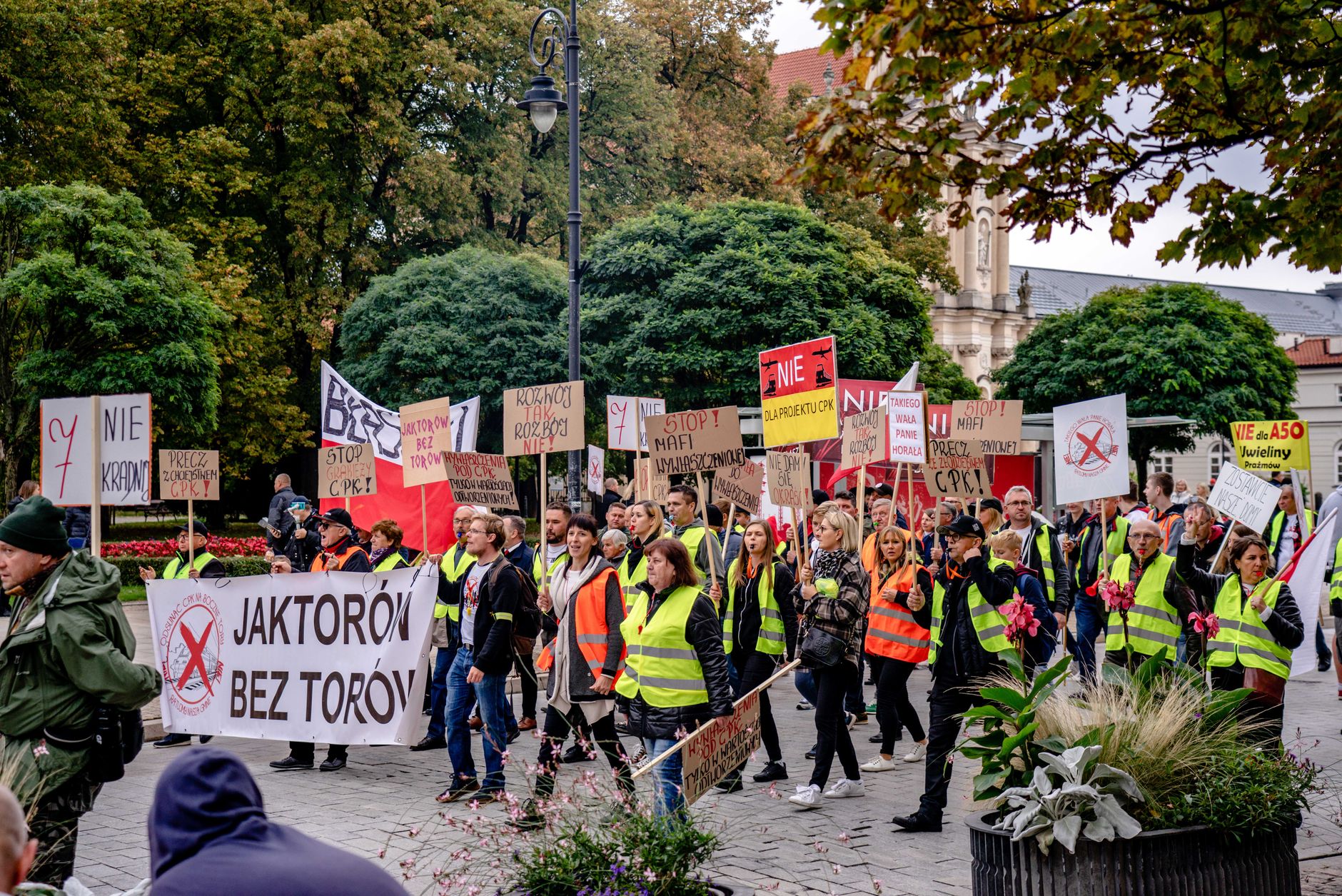
The demonstrations, organized by a patchwork of local residents, environmental groups and community coalitions, targeted proposed and operating data centers in both red and blue states. Organizers say the protests reflect mounting frustration over rising electricity bills, heavy water consumption, noise pollution and the loss of farmland and open space to server farms built for companies like Amazon, Microsoft, Google and OpenAI.
What Protesters Are Demanding
Demonstrators at the various rallies called for a range of measures, including stricter local zoning reviews, transparency requirements for utility rate increases tied to data center power demand, and moratoriums on new construction until independent studies assess the strain on regional power grids and water systems.
Many of the protests were organized around utility hearings and local zoning board meetings, where residents have increasingly shown up to oppose permits for new facilities. Groups tracking the issue say the number of local ordinances restricting or delaying data center construction has grown sharply over the past year as the buildout has accelerated nationwide.
Community organizers say the scale of Friday’s protests signals that data center opposition has moved from a scattered, local issue to a organized national movement with shared talking points and coordinated timing.
Why the Backlash Is Growing
The protests follow a surge in data center construction driven by the AI industry’s need for massive computing capacity to train and run large language models. Tech companies have committed hundreds of billions of dollars to new facilities over the past two years, often in rural or suburban areas where land and power access are cheaper than in major metro regions.
That growth has come with tradeoffs that residents say were not fully disclosed when projects were approved. Data centers can consume electricity on the scale of a small city and require millions of gallons of water daily for cooling in some designs. In several states, regulators have approved rate increases for residential customers that utilities have partly attributed to the cost of building new transmission lines and power plants to serve data center demand.
Local opposition has also focused on tax incentives offered to attract data center developers, with critics arguing that generous abatements shift the tax burden onto homeowners while producing relatively few permanent jobs once construction is complete.
Industry Response
Data center developers and technology companies have defended the investments as necessary for maintaining US leadership in artificial intelligence and have pointed to job creation during construction phases and long-term investment in local infrastructure, including grid upgrades. Industry groups have also emphasized efforts to use recycled or non-potable water for cooling and to sign agreements for new renewable power generation to offset added demand.
Still, the gap between company assurances and community experience appears to be widening. Several state legislatures have introduced bills this year aimed at requiring greater disclosure of water and energy usage projections before permits are granted, though most such measures remain stalled in committee.
A National Pattern
Friday’s protests build on a wave of local resistance that has been building for months. NarwhalTV previously reported on nationwide rallies against AI data centers as opposition organizations began coordinating across state lines earlier this year.
The scale of the July 18 demonstrations suggests the issue has become one of the more visible flashpoints in the broader public debate over the costs and benefits of the AI boom. Unlike earlier tech-related protests that focused narrowly on labor displacement or privacy concerns, the data center movement has drawn support from a notably bipartisan mix of participants, including rural conservatives worried about land use and urban progressives focused on utility costs and environmental impact.
What Comes Next
Organizers say they plan to continue pressuring state utility commissions and local governments ahead of a wave of permit decisions expected later this year. Several coalitions involved in Friday’s protests said they intend to push for statewide legislation requiring data center operators to pay a larger share of grid upgrade costs rather than passing them on to residential ratepayers.
Whether the protests translate into policy change remains uncertain. Data center construction has continued largely unabated in most states despite local opposition, and demand for AI computing capacity shows no sign of slowing. But the breadth of Friday’s demonstrations, spanning both major cities and smaller communities in dozens of states, signals that the political cost of that expansion is rising alongside the industry itself.