The U.S. Department of Agriculture released three Bigfoot files online on October 15, 2026, including a Forest Service investigation into footprints found in Washington state’s Umatilla National Forest in June 1982. The records also contain accounts from Montana dating back to the 1940s, but the Washington investigation concluded that the tracks were not made by a giant, two-legged creature.
The documents appeared in the Forest Service’s Freedom of Information Act reading room under “Bigfoot/Sasquatch Records,” according to Arab Times. They were posted without a major announcement and drew renewed attention following reporting about the Trump administration’s release of UFO-related government documents.
Bigfoot files detail two muddy track sites
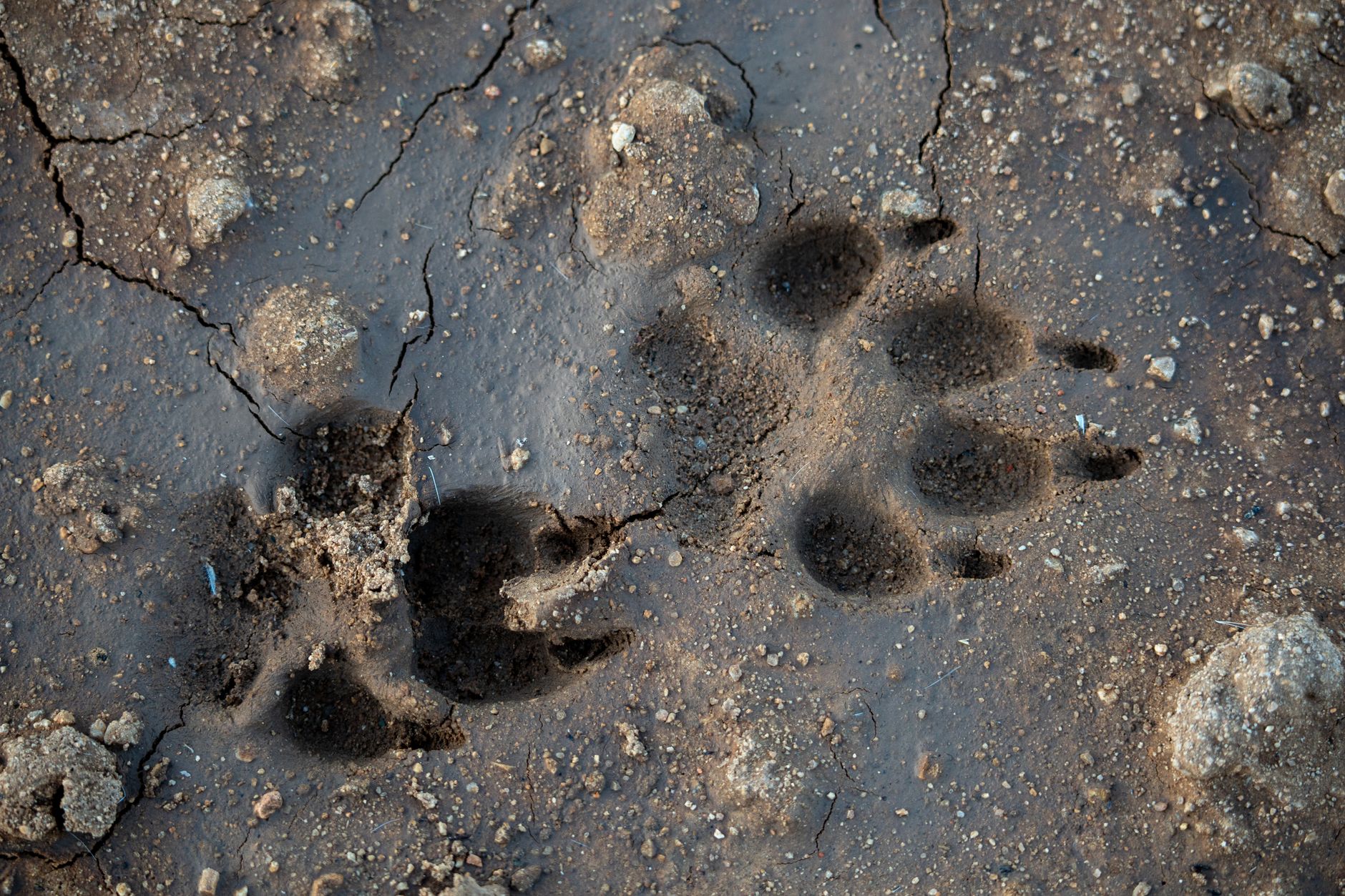
The 1982 investigation focused on reported footprints in the Mill Creek Watershed. Wildlife biologist Rodney L. Johnson, assigned by the USDA to examine the tracks, recorded his findings in a six-page investigative memorandum, Arab Times reported.
Johnson documented impressions at two muddy locations. Some measured approximately 15 inches long and seven inches wide. At one location, the tracks stretched roughly 25 feet; at the other, they continued about 40 feet toward thick brush.
Investigators also noted disturbed vegetation beyond the footprints, which suggested that something had passed through the area. One impression reportedly showed an unusual deformation of the second toe.
The fieldwork included measurements, color photographs and plaster casts intended to preserve the impressions, according to FOX 13 Seattle, which credited The Washington Post with first reporting the release. Johnson acknowledged the detail visible in the tracks even as he questioned their origin.
Biologist rejected a giant two-legged source
“If the tracks were faked, someone went to a great deal of trouble and detail,” Johnson wrote, according to Arab Times. He also noted markings that appeared natural and would have been difficult to duplicate.
His final assessment nevertheless rejected the explanation that a large, two-footed creature had left the impressions. He based that judgment on the spacing of the tracks, their depth and the condition of the surrounding ground.
“It is my opinion that the tracks observed at Site ‘A’ and Site ‘B’ along Low Creek were made by something other than a 300 pound plus two footed being,” Johnson concluded.
The distance between footprints remained relatively consistent despite changes in slope, Johnson observed. His own boots sank farther into the mud than the purported Bigfoot tracks, and forest litter appeared to have been deliberately brushed aside before the impressions were made.
Border Patrol memo suggested a manufactured foot
A subsequent memorandum from a U.S. Border Patrol official to the Forest Service office in Walla Walla, Washington, also questioned the tracks’ authenticity, Arab Times reported.
The official suggested that an elaborate hoax might have been intended to draw in government personnel and lend credibility to Bigfoot accounts. The memorandum concluded that the tracks were likely made by a person using a soft plaster or rubber-coated foot.
That assessment, like Johnson’s conclusion, accompanied the documentation of the unusual impressions. The released records preserve the investigators’ observations as well as their reasons for doubting the proposed explanation.
Montana encounters reach back to the 1940s
Another six-page document, written in 1980, recounts Leo Kinney’s report of finding large tracks with three hunters in the Petty Creek area of Montana during the 1940s, FOX 13 Seattle reported.
“At this point we held a conference and decided that we were not particularly anxious to catch up to whatever it was, and though we didn’t confess it at this time, in later conversations we found out that we all had a very uneasy feeling and could feel chills running up and down our backs,” Kinney wrote.
Arab Times identified him as Leo T. Kinney and placed the hunting accounts in the late 1940s. His account also described a missing elk carcass, with only its entrails remaining, and relayed other hunters’ reports of similar tracks, a strong, unusual smell and a grunting noise.
The release also contains a Clark Fork Valley Press newspaper clipping about purported footprints found in Montana in 2003. FOX 13 Seattle described the 2003 account as a reported sighting in Sanders County.
Records do not confirm Bigfoot’s existence
The Bigfoot files do not establish the creature’s existence or provide scientific confirmation of its presence in American wilderness areas, Arab Times reported.
Separately, Forest Service staff once hosted a Bigfoot in Your Backyard forum in California’s Stanislaus National Forest to discuss local sightings, according to FOX 13 Seattle. At that time, the agency said it could neither confirm nor deny the creature’s existence.