Saudi Arabia’s Ministry of Industry and Mineral Resources announced on September 15, 2026, that geological surveys have identified approximately 110 million tonnes of uranium-concentrated ore in the Madinah region, in the kingdom’s northwest. The discovery, disclosed through state media, marks one of the largest uranium-related finds reported by a Gulf state and feeds directly into Riyadh’s long-stated ambition to develop a domestic nuclear energy program.
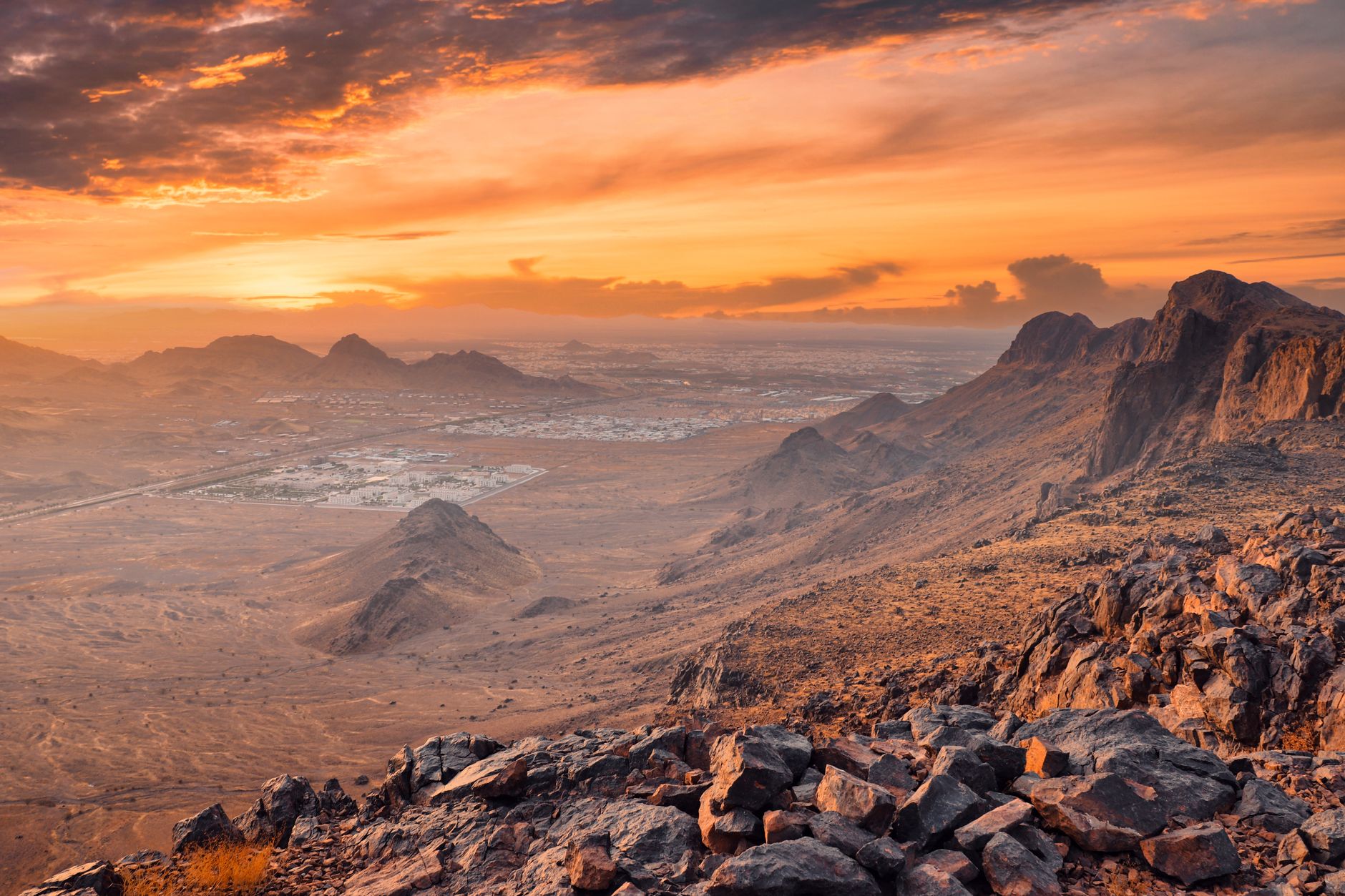
Ministry officials described the find as the result of years of exploration work conducted with international geological partners as part of a broader minerals mapping initiative tied to the kingdom’s Vision 2030 economic diversification plan. The ore has not yet been classified as economically recoverable reserves; officials said additional assay work, environmental review, and feasibility studies are required before any extraction or processing decisions are made.
Why the Find Matters
Saudi Arabia has pursued nuclear energy for more than a decade, framing it as essential to meeting rising domestic electricity demand while freeing more crude oil for export rather than domestic power generation. The kingdom has previously signed cooperation agreements with the United States, South Korea, China, and Russia on nuclear technology, though it has not finalized a deal for a full-scale power reactor.
A domestic uranium supply would give Saudi Arabia leverage in future negotiations over nuclear fuel-cycle rights — specifically the ability to enrich uranium domestically rather than relying solely on imported enriched fuel. That prospect has drawn scrutiny from nonproliferation experts, given ongoing US concerns about enrichment capabilities spreading in the region, particularly amid Riyadh’s stated position that it would match any Iranian enrichment capability.
“Any move toward enrichment infrastructure in Saudi Arabia will be watched closely by nonproliferation bodies, especially given the kingdom’s public statements linking its nuclear ambitions to regional security dynamics,” said one Gulf-focused energy analyst cited in regional reporting.
Details of the Discovery
According to the ministry, the uranium-concentrated ore was located within a broader mineral belt in the Madinah region that has already yielded gold, phosphate, and rare earth findings in recent years. Saudi officials have poured resources into geological surveys across the country, arguing that the kingdom’s mineral wealth beyond oil remains underexplored.
- The reported deposit spans a wide geological formation within Madinah province.
- Ministry officials say the ore contains uranium at concentrations sufficient to warrant further commercial assessment.
- No timeline has been given for potential mining licenses or extraction contracts.
- The announcement did not specify which international firms, if any, participated in the survey work.
Context: Saudi Arabia’s Nuclear Ambitions
Riyadh has framed nuclear power as central to its energy transition strategy, alongside massive investments in solar and other renewables. The kingdom’s Vision 2030 blueprint, spearheaded by Crown Prince Mohammed bin Salman, calls for diversifying the economy away from oil dependency, and mineral exploration has become a growing pillar of that effort, with the government previously estimating the country’s untapped mineral wealth at over $2.5 trillion.
The kingdom has also been active diplomatically in recent months on other fronts, including a widely reported revision of Jerusalem-related language in school textbooks, part of a broader pattern of Riyadh recalibrating its public positioning as it pursues normalization talks and expanded international partnerships.
What Comes Next
Saudi officials indicated that additional exploratory drilling and environmental impact assessments will proceed in the coming months. Any decision to move toward commercial mining or fuel processing would likely require new regulatory frameworks, as Saudi Arabia currently lacks an established domestic uranium mining and milling industry.
Analysts note that even with a confirmed large-scale deposit, converting raw uranium ore into usable nuclear fuel is a technically demanding, multi-stage process requiring enrichment facilities that Saudi Arabia does not currently operate. Building that capacity from scratch, or securing international partnerships to do so, would likely take years and remain subject to nonproliferation safeguards under agreements with the International Atomic Energy Agency.
The ministry said further updates on the site’s commercial viability are expected as exploration data is compiled, but stopped short of committing to a specific production or licensing timeline. For now, the announcement stands primarily as a geological milestone rather than an operational shift, though one that reinforces Saudi Arabia’s determination to position itself as a future player in nuclear energy alongside its traditional dominance in oil and gas markets.