TL;DR: Canadian food safety officials have flagged shipments of US-grown strawberries and blueberries for pesticide residues exceeding legal limits, prompting recalls in multiple provinces. The discovery has renewed debate over inconsistent pesticide regulations between the United States and Canada and how thoroughly imported produce is screened before reaching store shelves.
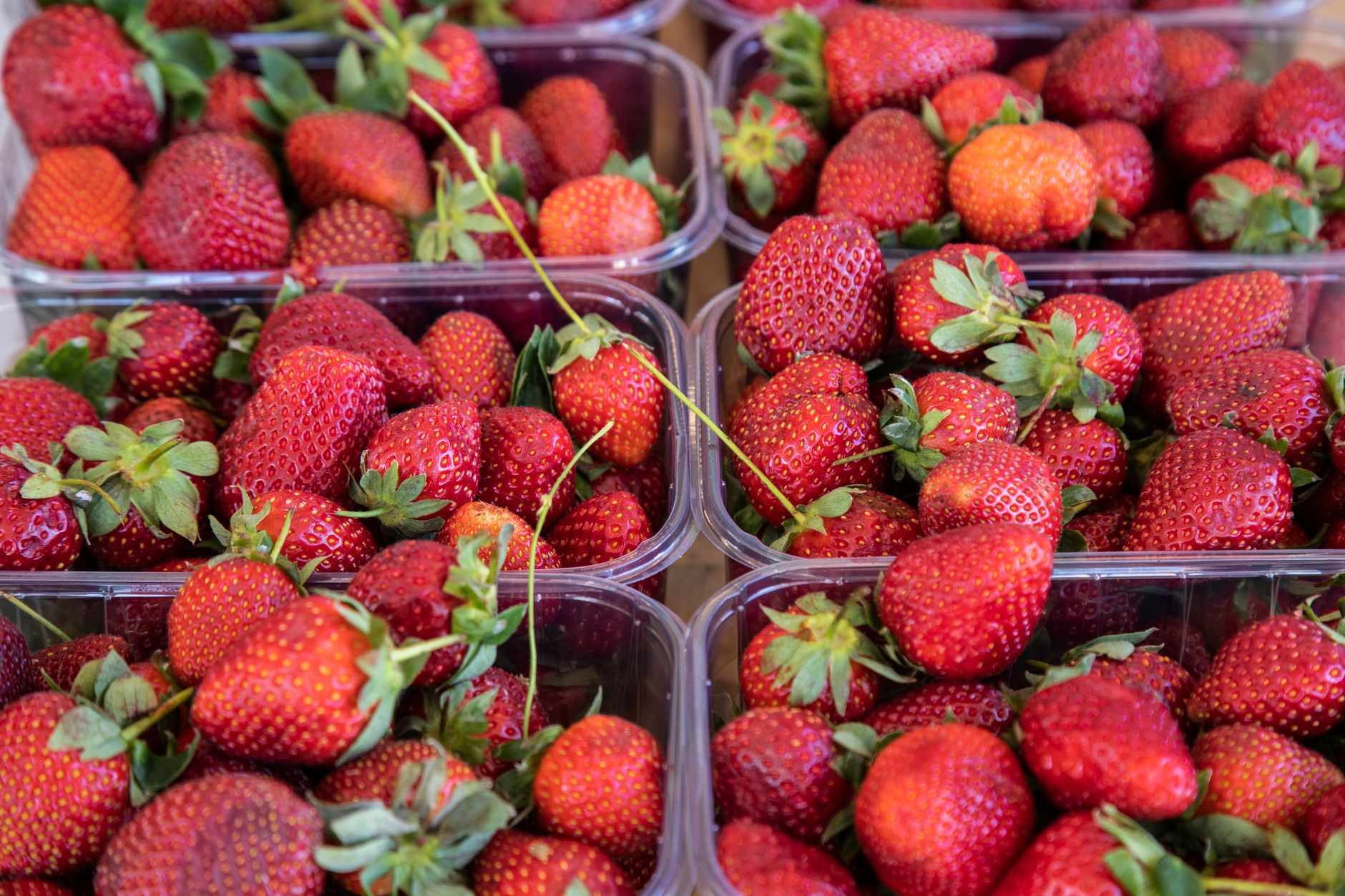
Millions of pounds of berries grown in the United States and exported to Canada have been pulled from retail shelves after testing revealed pesticide residue levels above what Canadian law permits, according to Canadian food safety authorities. The recalls, which began surfacing this week, involve strawberries and blueberries distributed to grocery chains in Ontario, Quebec, and British Columbia.
What Investigators Found
The Canadian Food Inspection Agency (CFIA), which routinely samples imported produce as part of its national monitoring program, identified residue levels of certain pesticides—commonly used in large-scale US berry farming—that surpassed Canada’s maximum residue limits (MRLs). While the specific chemicals involved have not been fully disclosed pending further lab confirmation, officials say the compounds are typically applied to control fungal disease and insect pests in berry crops.
Unlike the United States, where the Environmental Protection Agency sets pesticide tolerances, Canada relies on its own regulatory body, Health Canada’s Pest Management Regulatory Agency, to establish allowable residue thresholds. The two countries’ limits do not always align, meaning a product perfectly legal for sale in US grocery stores can fail inspection once it crosses the border.
Scale of the Recall
Distributors have voluntarily recalled affected batches, and CFIA has issued public advisories urging consumers to check lot numbers and best-before dates on strawberry and blueberry packaging before consumption. Early estimates suggest the recall could affect several million pounds of berries shipped over recent weeks, though the agency cautions that the final scope may change as testing continues.
- Retailers in at least three provinces have removed affected products from shelves.
- No illnesses have been officially linked to the recalled berries as of this report.
- Testing is ongoing to determine whether additional shipments from the same growers or distributors are implicated.
Why Residue Limits Differ
Pesticide tolerance levels are not simply a matter of safety versus danger—they reflect differing regulatory philosophies, crop-specific risk assessments, and how each country calculates acceptable daily intake for its population. A residue level considered safe under US guidelines may still exceed Canada’s more conservative threshold for the same chemical, particularly for products marketed to children or consumed in high volumes, such as berries.
Food safety experts note that discrepancies like this are not unusual in North American trade, given that the US and Canada evaluate pesticide risk through separate scientific review processes rather than a harmonized standard.
A Recurring Cross-Border Issue
This is not the first time US produce has run afoul of Canadian pesticide rules. Berries, leafy greens, and stone fruits have all faced similar scrutiny in past years, generally resulting in short-term import holds or recalls rather than long-term trade restrictions. Agricultural trade analysts point out that the volume of produce moving between the two countries—among the largest bilateral food trade relationships in the world—makes occasional discrepancies almost inevitable given the sheer number of shipments inspected annually.
Industry and Regulatory Response
US berry growers and export associations have not issued detailed public statements on the specific findings, though industry groups have historically emphasized that domestic pesticide use complies with EPA-approved application rates and pre-harvest intervals. The core issue, they argue, is regulatory misalignment rather than unsafe farming practices.
On the Canadian side, CFIA has reiterated that its monitoring program is designed to catch exactly these kinds of discrepancies before affected products reach a large number of consumers. The agency says it will continue working with US suppliers and distributors to ensure future shipments meet Canadian thresholds, and it has not ruled out additional recalls if further testing uncovers more affected lots.
What Consumers Should Know
Health officials stress that the recall is precautionary and reflects a regulatory compliance issue rather than an immediate public health emergency. Consumers in affected regions are advised to:
- Check store receipts and packaging for recalled lot numbers listed on CFIA’s public recall notices.
- Avoid consuming berries matching the affected batches and return them to the point of purchase for a refund.
- Wash all fresh produce thoroughly, which can reduce—but not eliminate—surface pesticide residue.
The episode is likely to reignite broader conversations about whether North America needs more harmonized pesticide standards, particularly as fresh produce trade between the US and Canada continues to grow. For now, both countries’ food safety agencies say they are coordinating to trace the source of the affected shipments and prevent similar incidents going forward.