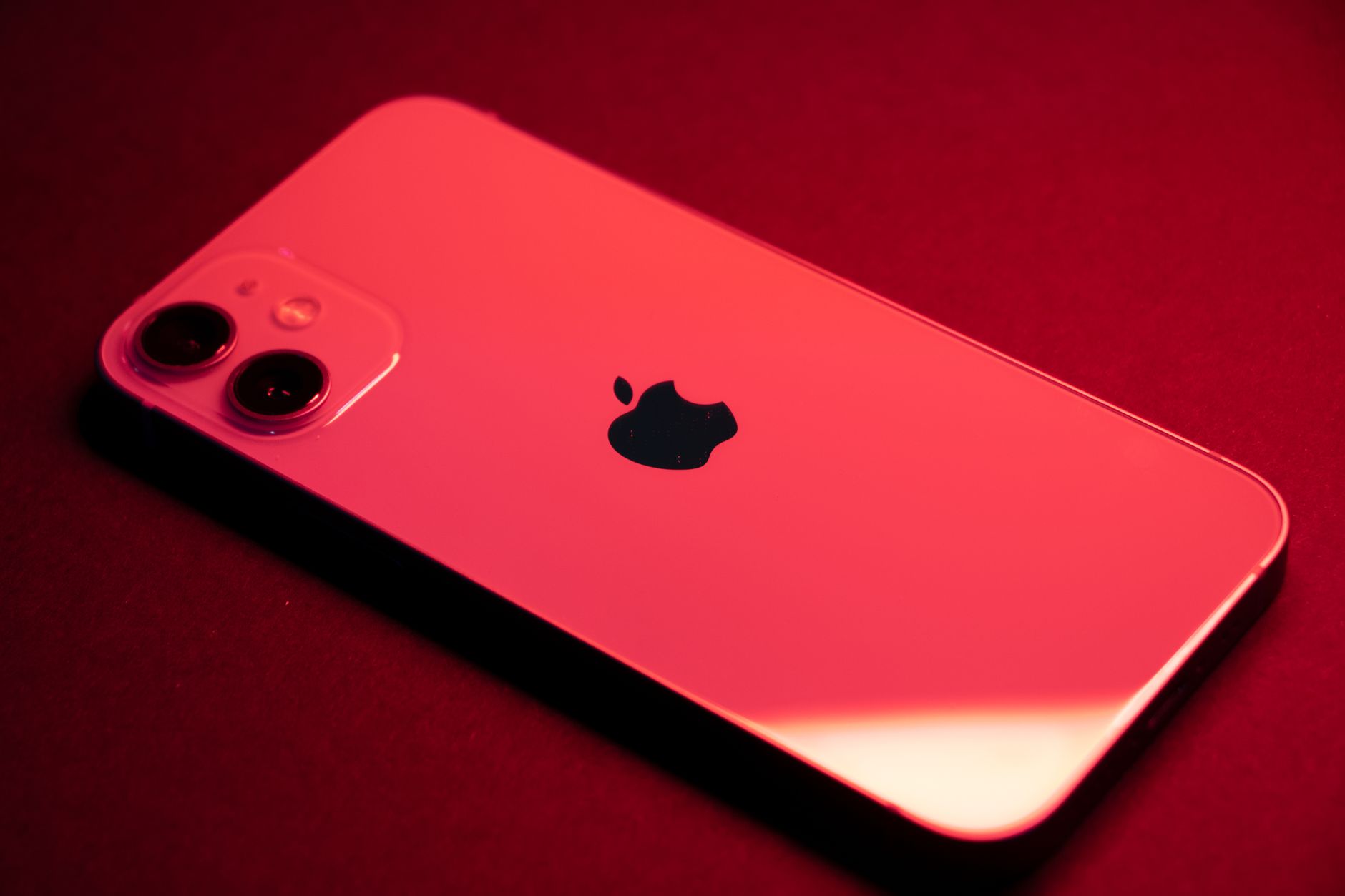
Prominent hardware teardown specialist Zack Nelson, host of the popular YouTube channel JerryRigEverything, released a detailed durability assessment this week showing unexpected structural and mechanical vulnerabilities in Apple’s latest flagship smartphones. During a controlled environmental stress evaluation designed to measure ingress resistance against abrasive debris, both devices suffered significant mechanical failures and functional degradation.
Nelson, widely recognized across the consumer electronics sector for his rigorous scratch, burn, and bend protocols, adapted his testing suite to examine how modern device tolerances respond to granular environmental contaminants. The results demonstrated that while modern ingress protection ratings theoretically guard against moisture, microscopic sand and fine construction sediment can rapidly compromise physical user interfaces.
The Anatomy of the Particulate Stress Protocol
Consumer smartphones typically advertise IP68 certification under International Electrotechnical Commission standards, ensuring resistance against sustained submersion in freshwater. However, standardized laboratory certifications often rely on static conditions that fail to replicate the dynamic mechanical forces exerted during real-world daily handling. Nelson’s test introduced coarse desert sediment and abrasive quartz dust directly along the frame perimeter, capacitive sensors, and mechanical actuation points.
Within minutes of introducing moderate physical manipulation under dusty conditions, tactile feedback began degrading noticeably. The physical action buttons and volume toggles exhibited severe friction lockups, requiring significant force to depress. More critically, fine quartz particles migrated beneath the frame seams, producing audible grinding and structural flexing when lateral bending pressure was applied to the chassis.
Standard IP ratings evaluate static resistance under pristine laboratory seals, but real-world grit exerts mechanical grinding that degrades dynamic tolerances far faster than water ingress.
Mechanical Switches vs. Solid-State Interfaces
Hardware engineers have long debated the trade-offs between physical mechanical switches and capacitive solid-state controls. Modern premium handsets incorporate tight machining tolerances around external buttons to achieve a tactile click, but narrower gaps can paradoxically exacerbate particulate entrapment. When debris enters narrow channels, it cannot easily escape, acting as an abrasive wedge against silicone internal gaskets.
The test demonstrated that once dust penetrates the outer seal perimeter, internal speaker acoustic meshes and microphone diaphragms also suffer rapid acoustic distortion. Audio output dropped measurably after particulate exposure, with Nelson’s acoustic monitoring gear detecting muffled low-end response and rattling treble frequencies across both handsets.
This hardware durability debate coincides with wider scrutiny across the tech manufacturing ecosystem, where industrial decisions often prioritize aesthetic minimalism over rugged field resilience. Similar trade-offs have surfaced in adjacent hardware sectors, as seen when corporate logistics and supply decisions disrupted equipment reliability during critical component shortages documented across computing infrastructure.
Repairability and Long-Term Durability Concerns
Independent repair advocates and consumer protection groups quickly weighed in following the test’s publication. For consumers working in industrial, agricultural, or outdoor settings, microscopic grit remains one of the primary drivers of hardware return authorizations and warranty disputes. Because dust ingress damage is frequently classified by manufacturers as environmental wear or user negligence, affected customers often face substantial out-of-pocket repair fees.
- Switch Seizure: Lateral particle intrusion immobilized action keys, requiring solvent flushing to restore standard spring return.
- Gasket Abrasion: Internal elastomer water barriers suffered microscopic tearing after friction from quartz grains.
- Display Perimeter Separation: Grit accumulation along the front display bezel created localized pressure points that increased panel crack susceptibility under torsional force.
Hardware specialists note that resolving button seizure on sealed unibody chassis generally demands extensive disassembly. Technicians must soften factory adhesives, remove delicate display panels, and extract internal battery packs merely to reach peripheral switch housings, dramatically escalating labor costs and the potential for secondary component damage.
Vulnerabilities Extending Beyond the Physical Chassis
The implications of hardware sealing flaws also mirror broader technological resilience issues facing the electronics industry. Just as legacy physical hardware struggles against unvetted environmental exposure, network appliances frequently encounter critical flaws when legacy designs meet modern stress, an issue highlighted by revelations showing millions of network devices vulnerable to decade-old architectural bugs. In both domains, legacy manufacturing assumptions falter when confronted with rigorous real-world edge cases.
As consumer electronics manufacturers prepare future product roadmaps, pressure is mounting from right-to-repair coalitions to introduce modular, easily cleanable switch assemblies. Until mechanical designs account for fine abrasive exposure without sacrificing ingress barriers, users operating in dusty environments are advised to employ sealed protective enclosures to prevent premature hardware failure.