Images chosen by Narwhal Cronkite
Ireland to Ban Goods from Israeli Settlements: A Turning Point in Trade Policy
In a move that has drawn both praise and criticism, Ireland is set to become the first country to pass legislation prohibiting the import of goods from Israeli settlements in the occupied West Bank. The new law, expected to take effect by mid-July, could signal a shift in how nations respond economically to international territorial disputes. Ireland’s Foreign Minister Helen McEntee announced the decision, underlining the country’s commitment to upholding human rights while navigating pressures from U.S. lawmakers and international business groups.
The Roots of Ireland’s Decision
Ireland’s stance on the Israeli-Palestinian conflict is not new; the nation has long positioned itself as one of the European Union’s most vocal critics of Israeli policy in Gaza and the West Bank. Back in October 2024, the Irish government pledged to introduce measures targeting imports from settlements it considered illegal under international law. Yet, political opposition and lobbying from multinational corporations caused delays to the legislation, with compromises narrowing its scope.
The ban, targeting settlement-produced goods, currently focuses on a small list of items such as fruits, which account for an annual import value of just €200,000 ($234,660), according to Ireland’s Central Statistics Office. Despite its modest economic impact, the decision carries symbolic weight as Ireland joins a handful of nations in Europe taking tangible steps to criticize settlement expansions.
Why Goods, Not Services?
Efforts to extend the trade restrictions to services encountered significant obstacles. Prime Minister Micheál Martin noted that enforcing such a ban would have been “neither implementable nor viable,” given Ireland’s reliance on U.S.-linked foreign multinationals. Expanding the scope of the bill could expose these companies to unworkable restrictions, risking Ireland’s economic ties with the United States, which employs approximately 11% of the Irish workforce.
This element of compromise highlights the tension between Ireland’s ethical stance and pragmatic economic considerations. “We cannot ignore the escalating settler violence in the West Bank,” McEntee remarked, “but we also have a responsibility to protect Ireland’s global business interests as we move forward.”

International Reactions and Ripple Effects
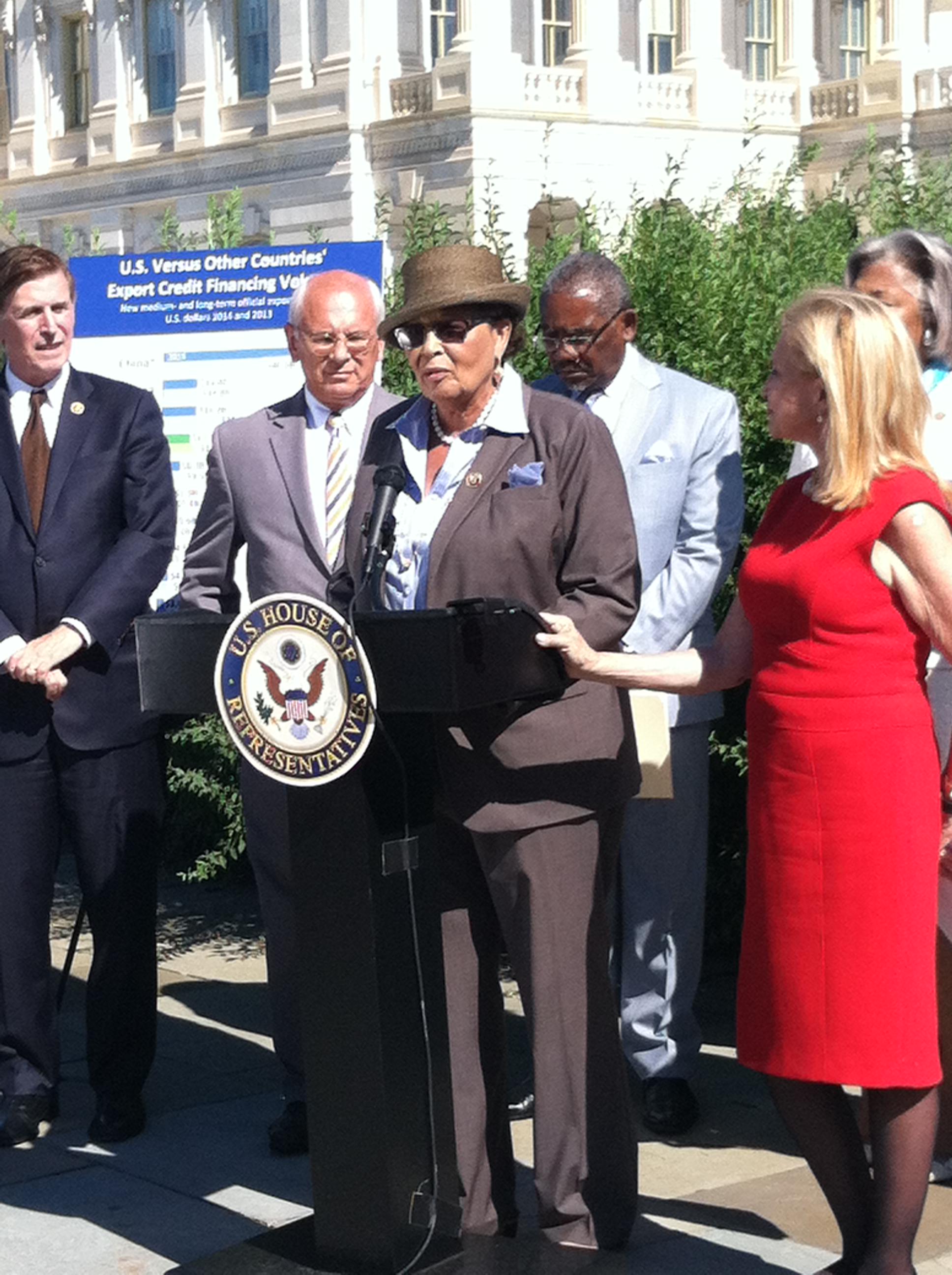
As a Western country taking a firm stand against Israeli settlements, Ireland’s move has already sparked contentious debate within the international sphere. According to Reuters, a group of U.S. lawmakers warned the Irish government last year that such legislation could harm U.S.-Irish relations. The United States remains one of Ireland’s closest trade partners, contributing significantly to its economy through foreign direct investment.
The legislation also risks straining Ireland’s diplomatic ties with Israel, whose governing coalition openly defends settlement expansions, citing biblical and historical claims to the West Bank. Settler violence in the region has surged since the Gaza war erupted in 2023, further complicating peaceful resolutions.
Meanwhile, key EU nations like Belgium and the Netherlands reportedly aim to follow Ireland’s lead by crafting similar laws. Spain has already implemented trade restrictions targeting products from Israeli settlements, as NPR reported earlier this month. Observers anticipate growing momentum toward an EU-wide ban on settlement trade.
What the Ban Represents
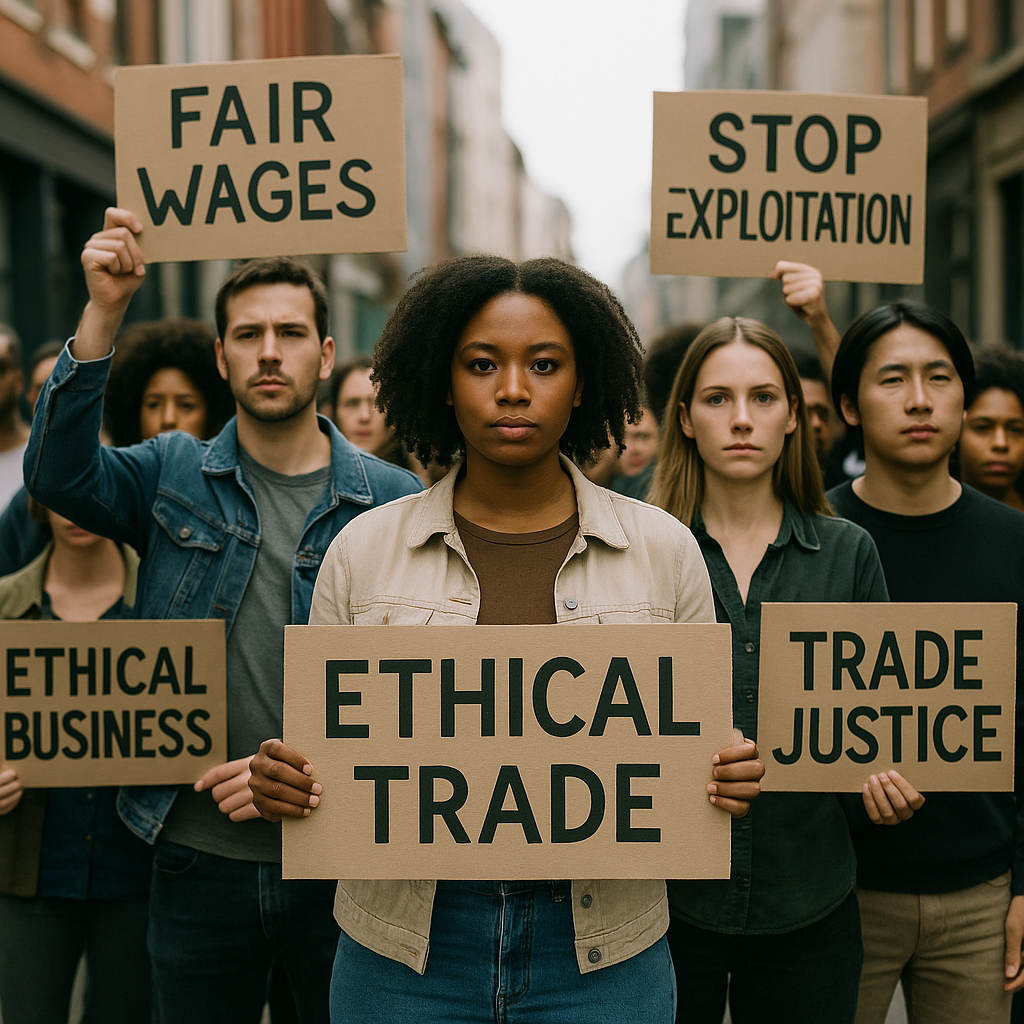
The legislation aligns with the European Union’s broader stance, where most member states deem Israeli settlements illegal under international law. Advocates argue that trade restrictions offer a non-violent means of signaling disapproval and pressuring governments to engage in peaceful negotiations.
However, detractors point out that such measures are largely symbolic unless matched with economic scale. With the limited goods targeted so far, the real-world impact on settlements may be marginal. “This decision is a moral statement more than an economic action,” a trade analyst commented. “But sometimes symbols can spark substantive policy changes over time.”
Could This Be a Precedent?
Ireland’s efforts could embolden other nations to adopt similar policies, thereby amplifying pressure on territories with contentious settlement histories. Industry observers note that bans like these could eventually extend beyond Israeli settlements to other disputed zones globally, reshaping international trade norms.
What to Watch Next
All eyes remain on how Ireland’s policy unfolds in the coming months. Economic responses from Israel and diplomatic consequences with the United States are likely to reveal whether such measures carry teeth or remain symbolic. Another aspect worth watching is the political dynamics within the EU. If Ireland galvanizes multilateral action among countries like Belgium, the Netherlands, and Slovenia, the bloc may consider unified settlement trade regulations.
For Ireland, the challenge will be balancing its ethical stance against geopolitical and economic repercussions. McEntee’s efforts to coordinate simultaneous bans with other EU states reflect strategic calculation—spreading the accountability and minimizing isolation in standing up for human rights.
In an increasingly interconnected world, Ireland’s decision poses a crucial question for policymakers worldwide: Can economic tools like trade bans effectively influence conflict resolutions, or will political complexities overpower idealistic aims? As the legislation’s mid-July enactment approaches, the global community awaits answers.
Implications on Business
One of the most immediate consequences of this legislative move could be shifts in corporate practices. Multinational companies with ties to both Ireland and Israel may find themselves caught in the crosshairs of regulatory compliance. For example, businesses already navigating sanctions regimes or ethical trade concerns could face additional scrutiny under Ireland’s new policy. “Companies will adapt,” one industry strategist noted, “but it’s clear that governments might escalate trade conditions based on human rights considerations.”
Whether other nations follow suit or whether Ireland’s law remains an isolated instance will ultimately shape the trajectory of ethical trade practices around disputed territories.