The businessman who helped broker Washington’s sweeping long-term oil agreement with Venezuela was, until recently, a target of United States money-laundering investigations involving funds embezzled from the state oil company PDVSA, Reuters reported on September 5.
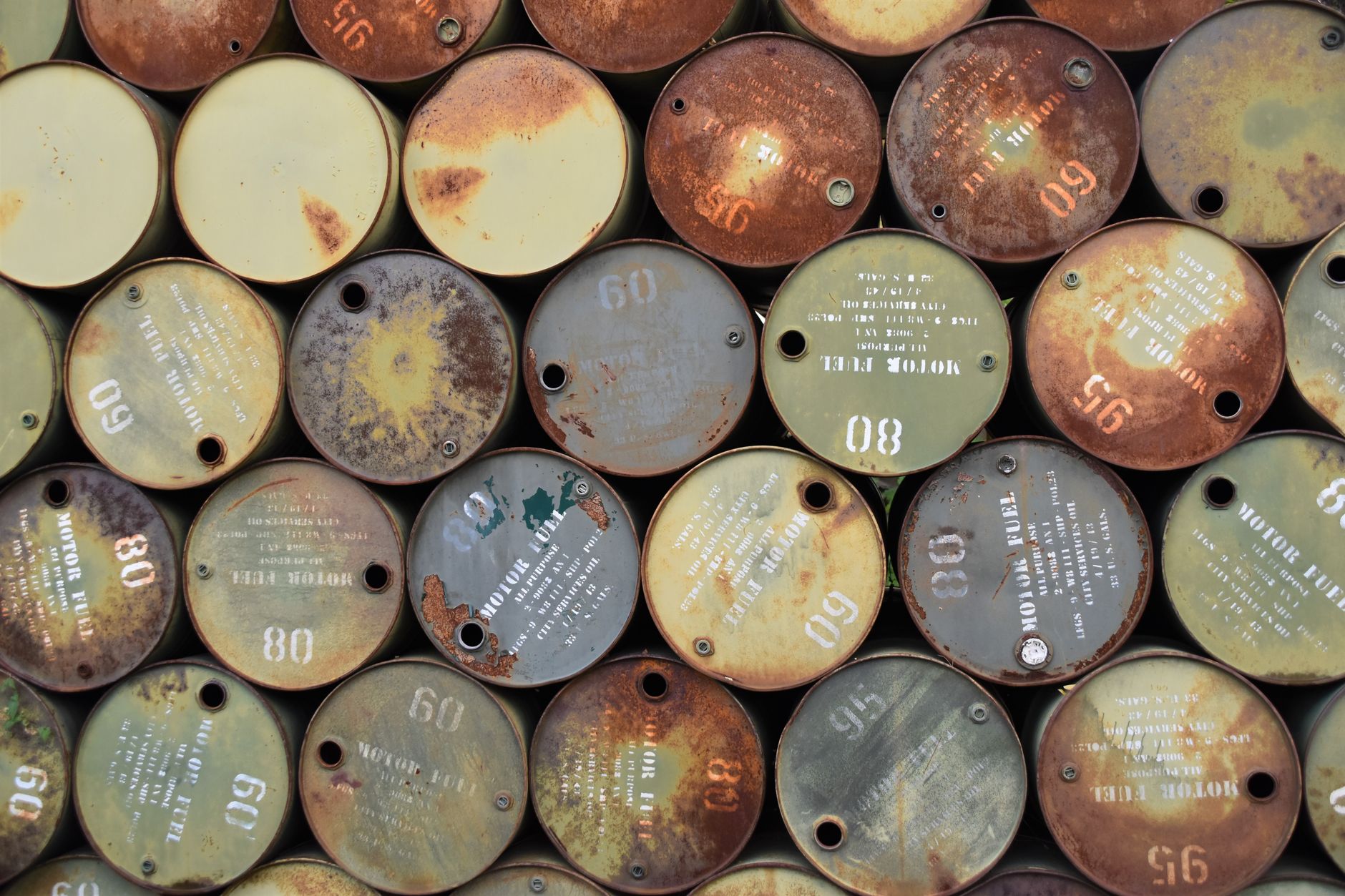
The billionaire is Alejandro Betancourt, now Washington’s principal commercial partner in an unusual arrangement with Caracas that followed the capture of authoritarian leader Nicolas Maduro. Under the deal announced last week, the Pentagon’s Office of Strategic Capital takes a 35% stake in North American Blue Energy Partners, or NABEP, Betancourt’s company and an established crude producer inside Venezuela. The agreement gives the United States access to roughly one-fifth of Venezuela’s crude reserves for decades.
From investigation target to counterparty
The reporting places two facts side by side that would ordinarily not appear in the same transaction. Betancourt was a subject of federal money-laundering scrutiny connected to money siphoned out of PDVSA – the vehicle through which a substantial portion of Venezuela’s oil wealth was moved offshore over the past decade. He is now the counterparty to a US government equity investment in Venezuelan crude.
Reuters could not determine precisely when federal prosecutors paused their investigation, or whether the pause was connected to his cooperation with the administration. That gap matters: absent a public disposition – a declination, a settlement, a closed file – the record shows an inquiry that stopped, not one that was resolved.
What he provided
Betancourt’s value to Washington preceded the commercial deal. In the months before Maduro’s capture, he supplied information that helped enforce a US naval blockade aimed at sanctioned tankers operating in Venezuelan waters. That intelligence contributed to the seizure or interdiction of more than a dozen vessels.
Sanctioned oil moves through a shadow fleet built to be difficult to track: vessels that switch off transponders, transfer cargo ship-to-ship at sea, and cycle through shell owners and reflagged registries. Enforcement depends on knowing which hull is carrying which cargo, on whose behalf, and when. A well-placed participant in that trade can compress months of investigative work into a usable target list – which is what appears to have happened.
An unusual instrument for the Pentagon
The Office of Strategic Capital was created to make the Defense Department a direct investor in industrial capacity considered strategically important, typically through loans and equity in domestic suppliers of critical materials and components. Taking a 35% position in a foreign crude producer is a considerably larger step, and it puts the department in a governance relationship with a company operating inside a country the United States sanctioned for years.
Structurally, the arrangement gives Washington several things a conventional sanctions-relief framework would not:
- A direct claim on production rather than a licensing relationship subject to political reversal in Caracas.
- A decades-long horizon over reserves that would otherwise be contracted to buyers in Asia.
- A seat at the table in a company that already knows how to operate Venezuelan fields.
It also gives the US government a financial interest in the commercial success of a private partner whose legal exposure is not publicly settled.
The questions Congress is likely to ask
Deals of this shape tend to generate oversight questions faster than answers, and several are already obvious. Who at the Justice Department decided the investigation would pause, and on what basis? Was the pause communicated to the Pentagon before it committed federal money? Does the 35% stake carry any indemnity if the case is later reopened? And what due-diligence standard applies when the Defense Department takes equity in a foreign producer rather than lending to a domestic supplier?
None of that resolves whether the underlying trade was a good one for the United States. Access to a fifth of one of the world’s largest proven crude reserves, secured through equity rather than sanctions carve-outs, is a substantial strategic asset, and the cooperation that preceded it produced concrete enforcement results at sea.
What the reporting establishes is the price paid in process. The administration acquired that position through a partner it had been investigating, on a timeline no one has explained, with the investigation’s status unresolved on the public record. Similar questions about opaque partnerships and political access have followed other high-value government dealings this year, including disputes over congressional oversight of billionaire business figures.