Voting rights organizations have filed suit against Texas election officials after a technical failure in the state’s registration pipeline reportedly left close to 600,000 voter registration applications unprocessed, raising questions about whether those residents will be on the rolls for the November 3 general election. The litigation, which surfaced publicly this week and drew heavy discussion on technology forums including Reddit’s r/technology, asks a court to order the state to clear the backlog and to protect affected applicants from being turned away at the polls.
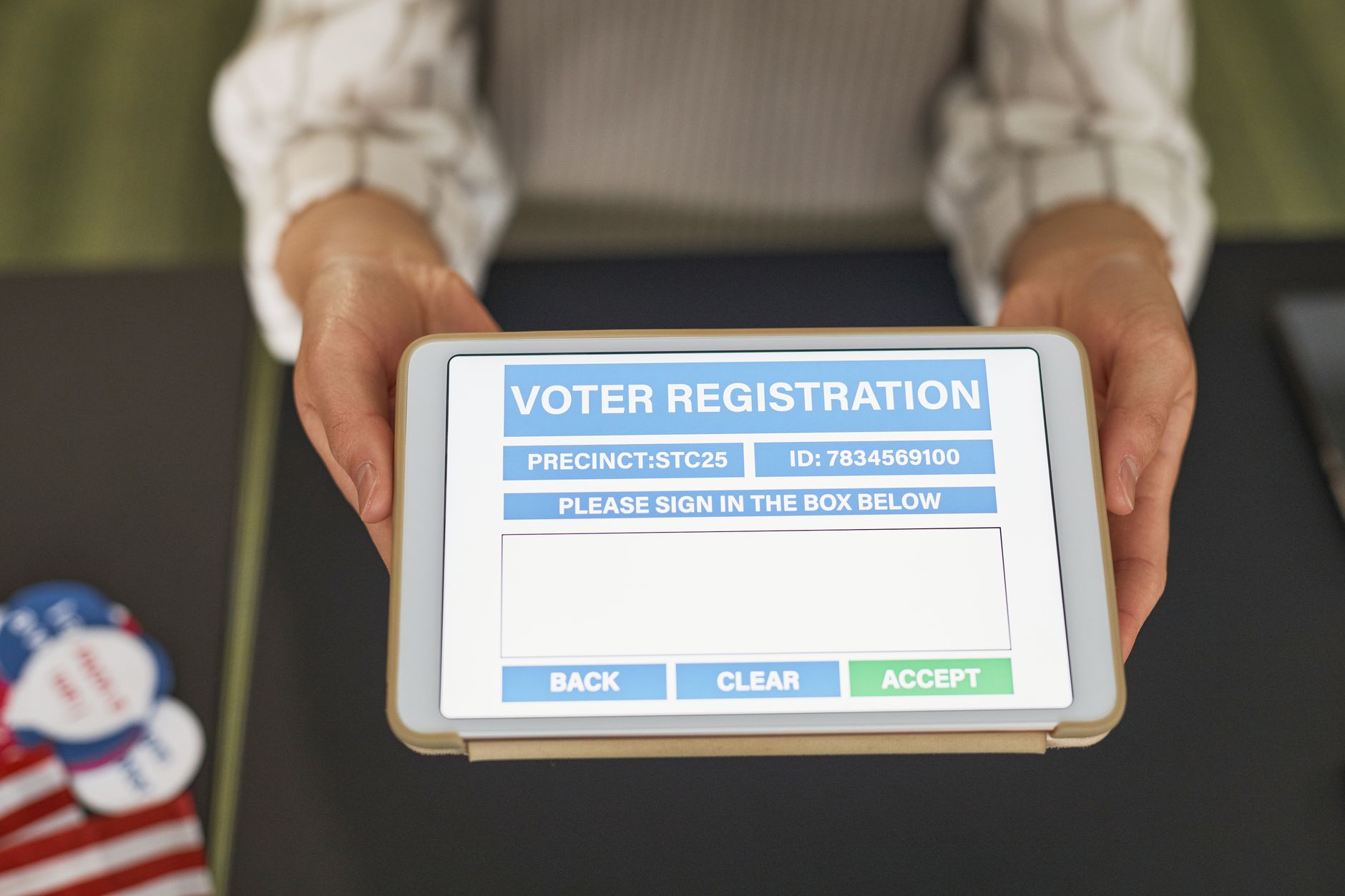
The core allegation is narrow but consequential: that registrations submitted through state channels — including transactions handled by the Texas Department of Public Safety and other agencies that are required to offer voter registration — were accepted from the public but not delivered to county voter registrars in time for them to be entered before the state’s registration cutoff. NarwhalTV has not independently verified the precise figure cited in the filing, and the state has not conceded that number.
What the lawsuit alleges
According to accounts of the complaint, plaintiffs argue that the breakdown violates the federal National Voter Registration Act, the 1993 “motor voter” law that requires states to offer voter registration during driver’s license transactions and to transmit completed applications to election officials promptly. The suit also invokes due process protections, on the theory that voters who did everything the state asked of them should not lose their ballot because of a government-side software failure.
The remedies being sought reportedly include:
- An order requiring the Texas Secretary of State and county registrars to process every stalled application and treat it as received on its original submission date.
- Direct notice to affected applicants explaining their status and what to do at a polling place.
- Authorization for affected voters to cast ballots that are counted — rather than set aside as provisional or “limited” ballots that may never be tallied.
- Public reporting on the size of the backlog and the cause of the failure.
Defendants in cases of this type typically include the Secretary of State as the state’s chief election officer, and sometimes the agency whose system malfunctioned.
How a backlog like this forms
Texas does not run a single monolithic registration database that the public writes to directly. Applications arrive from county offices, volunteer deputy registrars, mailed forms, and state agency transactions, and are reconciled through the Texas Election Administration Management system, known as TEAM, before county registrars finalize them. That architecture means a failure at any handoff — a stalled batch transfer, a schema mismatch, a queue that silently stops draining — can leave applications sitting in limbo while applicants believe they are registered.
Because the public-facing step succeeds, voters usually get no warning. The failure only becomes visible when someone checks their status, or when county registrars notice that expected volumes never arrived. Late-cycle surges make detection harder: registration traffic spikes in the final two weeks before a deadline, which is exactly when a broken pipeline does the most damage and when staff have the least slack to audit it.
The dependence of core civic functions on opaque, vendor-managed government systems has drawn growing scrutiny internationally as well, including continuing debate over private contractors’ grip on state data infrastructure in the United Kingdom.
Why the calendar matters
Texas law requires voters to be registered 30 days before an election, which placed the cutoff for the November 3 general election in early October. Early voting in Texas runs for roughly two weeks before election day, beginning in the latter half of October. That compressed window is why plaintiffs are seeking emergency relief rather than a conventional trial schedule: a ruling that arrives after ballots are cast offers little practical help.
Texas is also one of the few states without same-day or election-day registration, so there is no administrative fallback for someone who discovers at the polls that their application never landed. In practice, affected voters would be offered a provisional ballot, which is counted only if the registrar can later confirm eligibility — a verification process that depends on the same records that allegedly went missing.
A recurring dispute in Texas
The state has been here before. In Stringer v. Pablos, voters sued Texas over its refusal to treat online driver’s license renewals as voter registration opportunities under the NVRA. After years of litigation, Texas agreed in 2020 to update its online DPS process. The new case revives the same statutory question from a different angle: not whether registration is offered, but whether completed applications actually reach the officials who maintain the rolls.
Voters can check their own status through the Texas Secretary of State’s lookup tool at votetexas.gov, and federal guidance on motor-voter obligations is published by the U.S. Department of Justice Civil Rights Division.
The state’s position
State officials have characterized the situation as a processing delay rather than a loss of data, saying the affected applications exist and are being entered, and that counties retain the ability to backdate records to the original submission date. Officials have also cautioned against assuming that every file in the backlog represents a new, eligible voter: batches typically include duplicates, address changes for people already registered, and incomplete forms that would be rejected under any circumstances. Those categories could substantially reduce the number of residents actually at risk of being unable to vote.
Plaintiffs counter that the state has not published an auditable count, and that assurances without verification leave individual voters without a way to confirm their own standing.
What to watch next
The immediate question is procedural: whether a judge grants expedited consideration before early voting is underway. Watch for a sworn declaration from the Secretary of State’s office quantifying the backlog and explaining the technical cause, any order requiring individualized notice to affected applicants, and guidance to county registrars on handling provisional ballots cast by people in the queue.
Election administration disputes in Texas have repeatedly landed in federal court in recent years, alongside a broader run of high-profile legal clashes between state and federal authorities in the state. NarwhalTV will update this story as filings, hearing dates, and official figures become available.