A senior official with the Federal Energy Regulatory Commission has issued a sobering assessment of the nation’s power grid stability, warning that the US electrical infrastructure now faces a genuine risk of experiencing an extended blackout lasting up to 18 months—a scenario with potentially catastrophic consequences for millions of Americans.
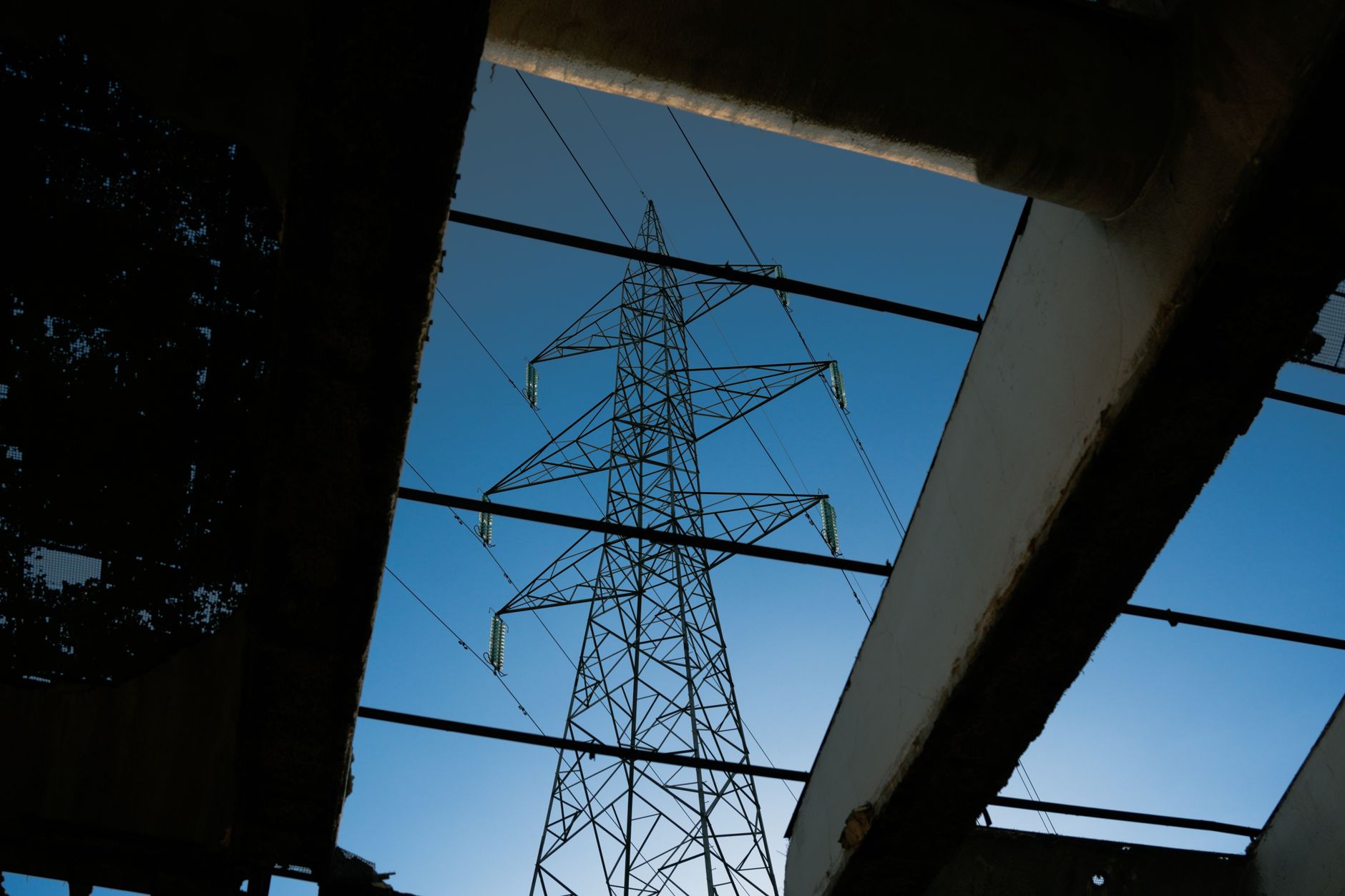
The warning comes as one American city remains engulfed in darkness on day 11 of what began as storm-related outages, underscoring the vulnerability of critical infrastructure that millions depend on daily. The extended outage has prompted emergency management officials to accelerate restoration efforts while federal agencies reassess grid resilience strategies.
The Current Crisis
The city experiencing the prolonged blackout has deployed emergency protocols typically reserved for catastrophic scenarios. Indiana Power Outage Hits Day 11 After Devastating Storms has left residents without air conditioning during summer heat, disrupted water treatment facilities, and forced hospitals to operate under emergency generators.
Utility companies have attributed the extended restoration period to widespread damage to the distribution network. Multiple substations suffered direct lightning strikes, transformers were destroyed, and wooden transmission poles snapped under the force of the storms. Compounding these challenges, the widespread damage has overwhelmed the available workforce and supply chain for replacement equipment.
A Fragile Infrastructure
The federal official’s 18-month blackout warning reflects deeper anxieties about grid architecture itself. The modern US power grid relies on a complex interconnected system designed and built primarily in the mid-20th century, with upgrades piecemeal rather than comprehensive.
Key vulnerabilities include:
- Aging transmission infrastructure: Many high-voltage transmission lines and substations have operated beyond their original design lifespan, making them more susceptible to catastrophic failure during extreme weather events.
- Limited redundancy: In many regions, single points of failure exist where damage to one facility can cascade through the network, affecting millions of consumers.
- Insufficient capacity for distributed energy: As renewable energy sources become more prevalent, the grid lacks adequate mechanisms to handle their variable output and maintain stability.
- Supply chain fragility: Specialized replacement equipment such as large transformers can take months to procure, and global supply disruptions have worsened this bottleneck.
Storm Season and Climate Risk
Meteorologists note that the storms responsible for the current outages represent a growing pattern. Extreme weather events are becoming more frequent and intense, putting sustained stress on power infrastructure designed for different climate conditions.
The National Weather Service has documented an increase in severe thunderstorms producing wind gusts exceeding 70 mph in regions historically considered lower-risk for such phenomena. Climate researchers have linked this pattern to shifting atmospheric conditions driven by changing global temperatures.
Utility companies have publicly acknowledged that their infrastructure maintenance and hardening budgets have not kept pace with the increasing frequency of these events. The cost of completely modernizing the grid to withstand such scenarios would run into the trillions of dollars, far exceeding current annual infrastructure investment levels.
Federal Response and Recovery Efforts
The Department of Energy has deployed personnel to coordinate restoration efforts and assess long-term vulnerabilities. The federal government is currently evaluating whether to accelerate grid modernization initiatives that have been proposed but not funded.
In the immediate term, restoration crews are prioritizing the reconnection of critical infrastructure including hospitals, water treatment facilities, and emergency response centers. The utility company projects it will take at least another two to three weeks to restore service to all affected areas, depending on delivery schedules for replacement equipment.
Emergency shelters have been established for residents without air conditioning, and municipalities are providing water distribution points as backup to treatment facilities operating under limited capacity. Some schools have announced delayed opening for the fall semester due to ongoing infrastructure damage assessment.
Broader Policy Questions
The situation has reignited policy debates about infrastructure investment priorities. Congressional representatives from affected regions are calling for accelerated federal funding for grid hardening and modernization projects. Conversely, fiscal conservatives argue that such spending must be weighed against other budgetary priorities.
Industry experts have proposed several solutions, including increased investment in microgrids that can operate independently during widespread outages, accelerated replacement of aging infrastructure, and enhanced weather-hardening for critical transmission facilities. However, implementing these solutions faces both financial and logistical barriers.
Looking Ahead
The federal official’s warning about an 18-month blackout scenario is not a prediction but rather a threat assessment—a worst-case outcome that would occur if multiple cascading failures happened simultaneously across the grid. While the probability of such a scenario remains relatively low, the consequences would be severe enough that even moderate probability warrants urgent mitigation efforts.
As recovery efforts continue in the affected city, utility regulators are already compiling lessons learned and recommendations for infrastructure improvements. Whether these recommendations will translate into funded initiatives remains an open question amid competing budget priorities and political considerations.
The current outage serves as a tangible reminder that the infrastructure underlying modern American life remains vulnerable to disruption, and that addressing these vulnerabilities requires sustained investment and planning beyond typical emergency response timelines.