Images chosen by Narwhal Cronkite
Oil Over $100, Markets in Freefall, and Iran’s New Supreme Leader: A Critical Turning Point
Global markets are gripped in chaos as oil prices surge above $100 per barrel, tumbling stocks worldwide and exacerbating geopolitical tensions. At the center of this turmoil lies Iran’s newly appointed Supreme Leader, Mojtaba Khamenei, whose hard-line stance introduces layers of complexity to an already volatile scenario. With fresh attacks on Middle Eastern infrastructure amplifying fears of long-term instability, Wall Street braces for impact amid mounting uncertainties across global economies.
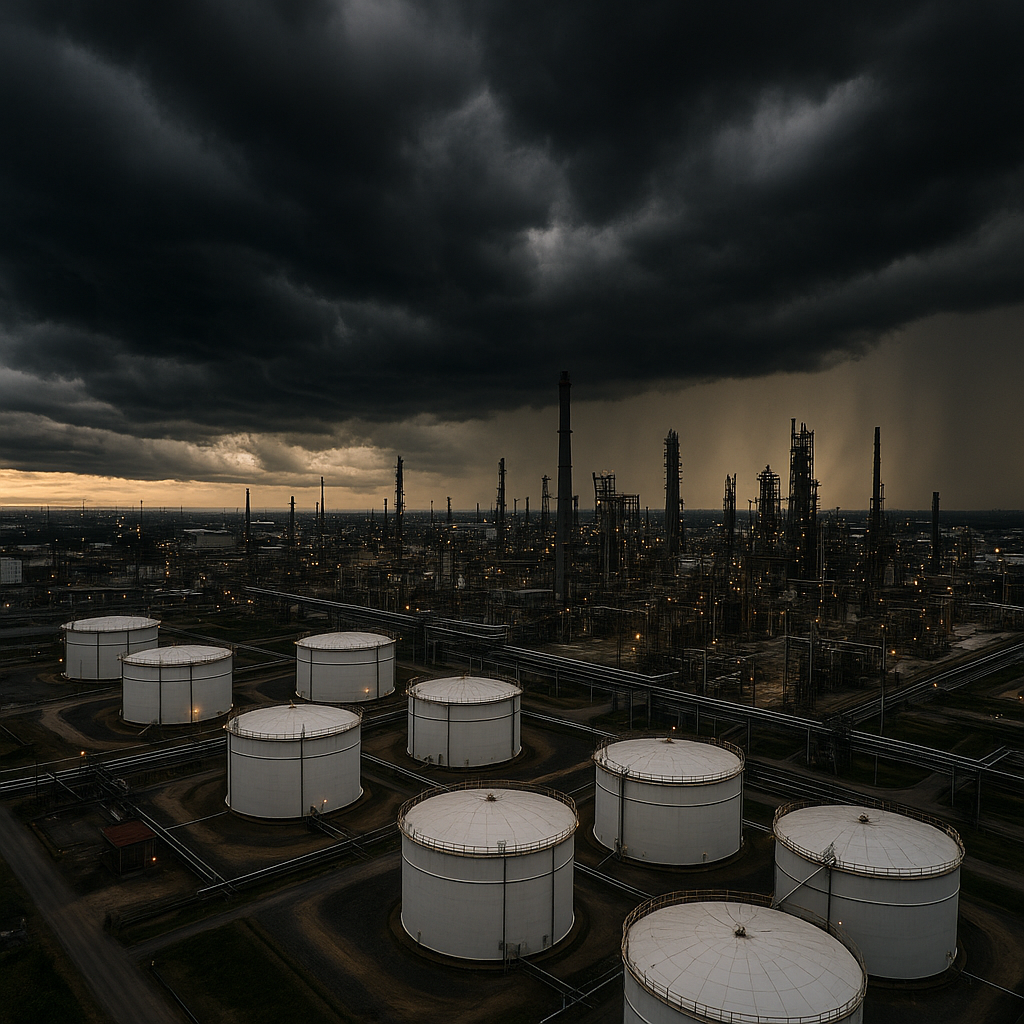
The Immediate Fallout: Oil Prices and Stock Market Collapse
The markets opened to grim numbers today across the board, reflecting the financial world’s unease with Iran’s deepened engagement in regional conflicts. S&P 500 futures dropped over 1% prior to the New York session open, following a 1.33% decline in the last trading period. The situation in Asia was markedly worse; Japan’s Nikkei shed 5.2%, South Korea’s KOSPI plunged nearly 6%, and European benchmarks offered little solace with downward spirals in the FTSE 100 and Stoxx 600 indices.
The oil market is at the epicenter of turmoil. Futures for Brent crude briefly crossed $119 per barrel before settling slightly lower amid promises of intervention by global powers. Finance ministers of the G7 are hastily convening in efforts to release strategic oil reserves—but with only enough for a month, long-term stability appears uncertain. S&P Global vice chair Daniel Yergin called the situation the “nightmare scenario,” driving home fears of extended chaos.

Iran’s New Supreme Leader: A Hard-Line Future?
Iran’s appointment of Mojtaba Khamenei, son of the late Supreme Leader Ali Khamenei, adds another layer to the volatile global landscape. Mojtaba has long been known as a staunch hard-liner, and his ascension comes amid heightened tensions, including ongoing war with the United States and broader regional instability. Analysts are concerned that his leadership could mark an era of aggressive revenge-seeking policies, particularly in retaliation for his father’s untimely death.
As reported by Fortune, attacks carried out by Iran in the past 24 hours targeted major Saudi oilfields, Abu Dhabi energy assets, and Bahrain’s water desalination plants. These bombings not only threaten escalated regional conflict but also strain critical resource infrastructure. Water, often overshadowed by oil in Middle Eastern geopolitics, now emerges as a critical flashpoint—a chilling prospect if urban centers like Riyadh face prolonged disruption.
Trump’s “Worst Case” Scenario
President Donald Trump, no stranger to bold declarations, has called this leadership shift his “worst case” scenario. While his administration previously emphasized dominating oil markets in the name of security, current figures under the Biden presidency face challenges balancing rhetoric and resolve. Trump’s comment on social media downplaying short-term oil price hikes as a “small price to pay for safety and peace” underscores his unique perspective amidst widespread panic.
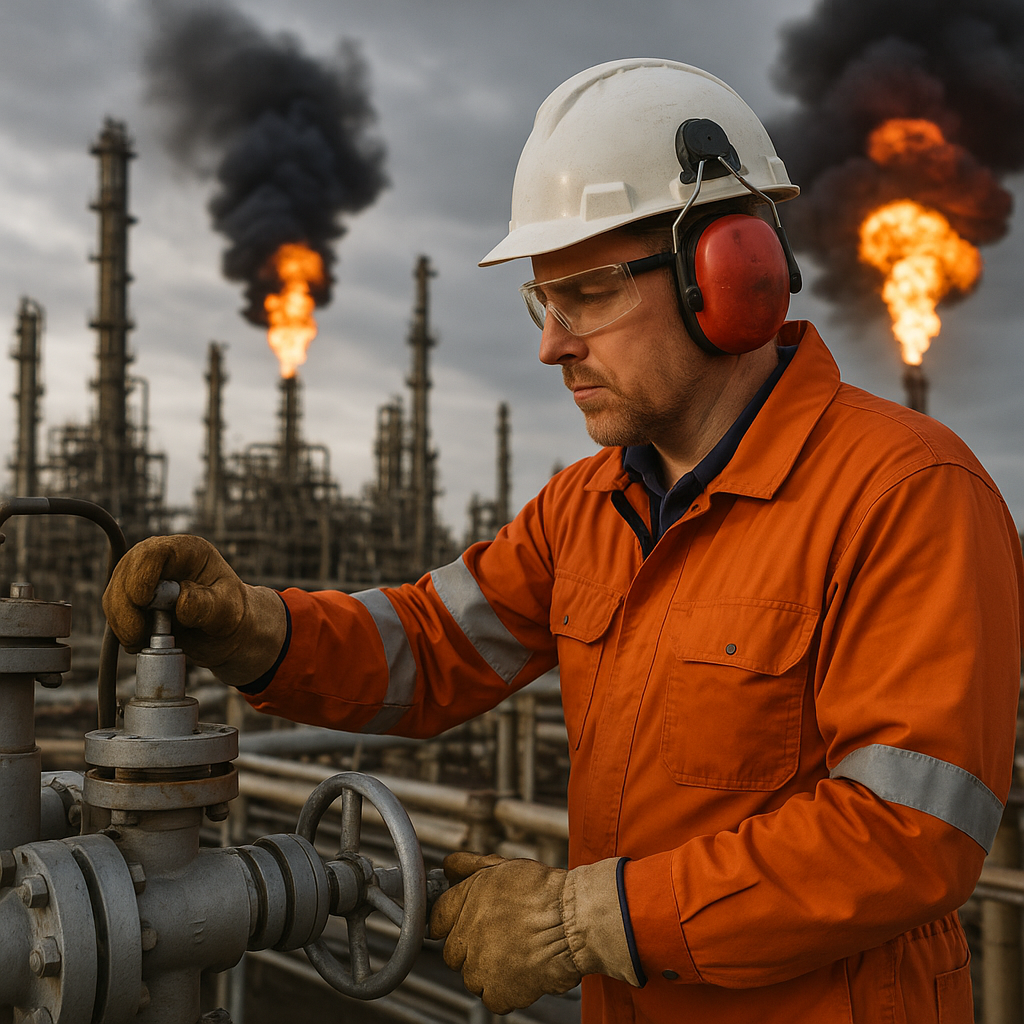
Economic Impact: Rising Prices Fuel Political Struggles
Back home, U.S. leaders confront the economic ramifications of surging oil prices and trade disruptions. With gas prices expected to cross $4 per gallon nationwide, Americans may soon see inflationary pressures intensify further. For Democrats leading up to midterm elections, this compounds the challenge of addressing household anxieties in an already fragile economy.
According to Al Jazeera’s reporting earlier this year, Iran’s internal economy also faces strife consistent with its external provocations. Strikes, protests, and bans on private trade indicate a government willing to prioritize ideological warfare over economic stability—a similarity that further complicates prospects for global diplomatic resolutions.
Global Energy’s Fragile Future
The International Energy Agency’s reserves will buy time for mitigation, but new oil sources are scarce amidst unchecked geopolitical escalation. The need to explore renewable resources grows ever more urgent, as global dependence on non-renewable energy risks amplifying economic crises. Yet, such diversification is years away at best. Meanwhile, vulnerable nations, particularly those dependent on Middle Eastern imports, face immediate exposure to fluctuating supply chains.
What’s Next: Monitoring the Ripple Effects
The Middle East conflict presents challenges to international security as nations scramble to recalibrate their strategies. The U.S.’s evacuation of government staff from Riyadh signals a serious concern that critical infrastructure, including water and energy plants, could increasingly become targets of war. Companies reliant on cross-border commerce must grapple with both supply-chain interruptions and investor panic.
For now, analysts are urging markets to prepare for larger swings. Demand-side adjustments in non-oil sectors—such as coffee—offer minor reprieves, but stability rests heavily on geopolitical mediation. Energy watchdogs continue to advocate for bipartisan action in opening strategic petroleum reserves, though sustained management will require deeper reforms.
The global economic narrative now hinges on the unfolding war in Iran, tricky leadership transitions, and the ability—or inability—of international coalitions to curb broader disaster. As political and economic leaders strike delicate balances between immediate needs and long-term vision, the stakes have rarely been higher.
Conclusion: Geopolitical Brinkmanship and Economic Aftershocks
Oil’s astronomical rise past $100 per barrel marks more than just a milestone—it epitomizes intersecting crises in energy, diplomacy, and governance. Mojtaba Khamenei’s leadership begins under profoundly tumultuous circumstances, complicating matters for regional allies and adversaries alike. Investors watching middle-market dynamics must assess both localized disruptions and broader volatility rippling into commodities, logistics, and currencies.
Ultimately, whether oil prices stabilize hinges less on natural market corrections and more on decisive geopolitical intervention. As decision-makers rush against the clock, unresolved tensions portend trouble—and a grim possibility of more disruption to come.