Images chosen by Narwhal Cronkite
Peter Thiel in Rome: Billionaire Magnate Delves Into Discussions on the Antichrist
Peter Thiel, the Silicon Valley venture capitalist who has earned a polarizing reputation for his investments, political affiliations, and outspoken views, has made headlines once again—this time, in an unexpectedly esoteric domain. The billionaire and noted MAGA donor is currently in Rome to lead a series of private lectures centered on the concept of the Antichrist, according to CNN. While the details of Thiel’s lectures remain closely guarded, his pivot from tech investments and political donations to theological matters has sparked intrigue across multiple circles.
From Tech Visionary to Esoteric Thinker
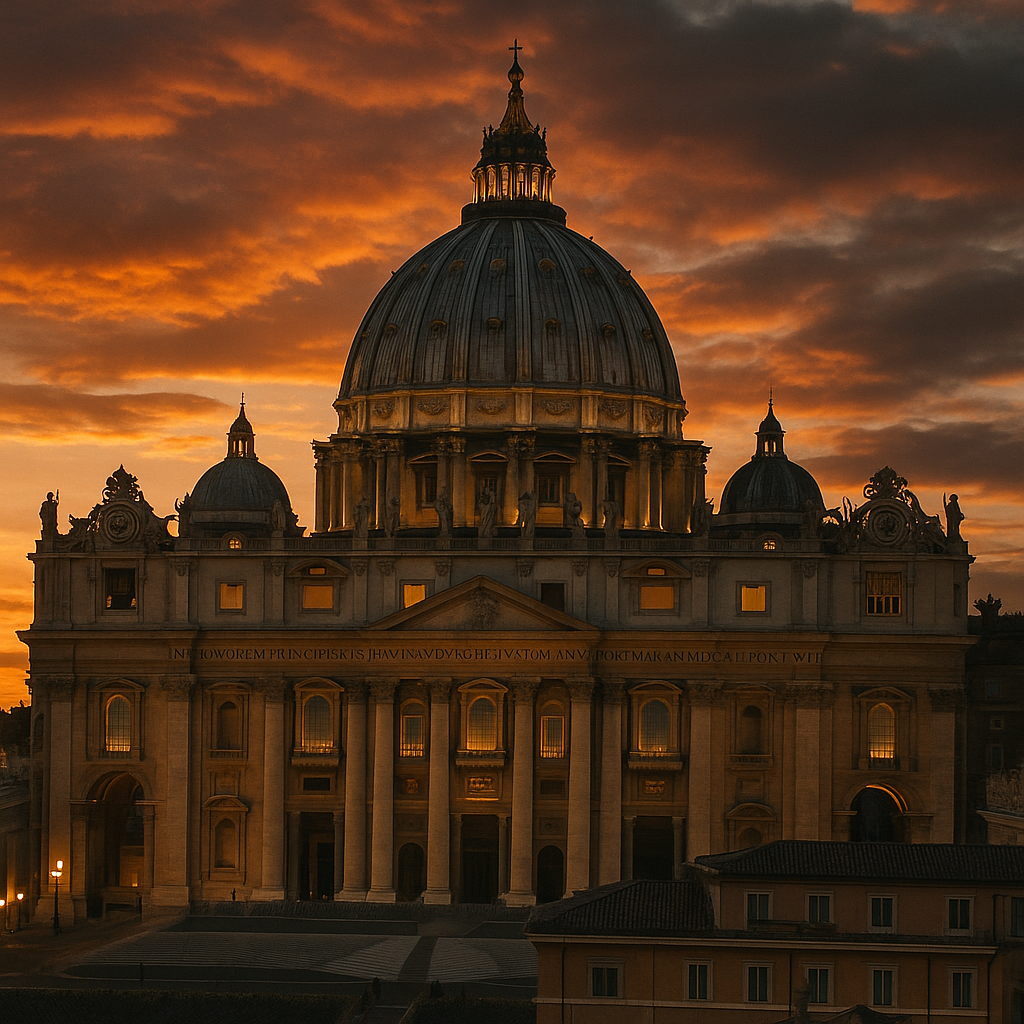
The setting of Rome, a city steeped in centuries of religious and philosophical discourse, adds gravity to Thiel’s latest intellectual venture. The idea of the Antichrist—a figure rooted in apocalyptic theology—offers a stark departure from his usual preoccupations of market disruption and libertarian politics.
Thiel has long been known for his iconoclastic worldview, which some describe as a mix of futurist optimism and pointed critiques of modernity. This is the man who co-founded PayPal, backed Facebook in its infancy, and made Palantir Technologies a household name. But his philosophical leanings are equally well-documented. As author of the philosophical treatise “Zero to One,” Thiel urged entrepreneurs to think in terms of bold innovations rather than incremental improvements. Now, it appears he is applying that same abstract fluency to weightier metaphysical questions.
“Thiel’s fascination with figures like the Antichrist likely reflects his larger interest in the tension between authority and disruption,” noted Dr. Elena Marano, a professor of political theology at the University of Bologna. “His background suggests he sees value in exploring extremes—not just in technology, but in broader cultural narratives as well.”
A Disruption of Public Perception
Thiel’s involvement in political campaigns, particularly in support of President Donald Trump, has already aligned him with social disruption at the highest levels. According to Al Jazeera, Thiel has been a vocal critic of the economic policies in California, where proposals for a billionaire tax have found staunch resistance from wealthy figures threatening to leave the state. Analysts have pointed out that Thiel’s political influence, combined with his financial contributions, paint a picture of a provocateur who thrives in challenging dominant systems.
Now, however, his contemplations take on a much different tone. By engaging with the concept of the Antichrist, Thiel seems to signal a philosophical widening of his critiques—not just of political systems, but of existential frameworks.
Industry analysts and cultural observers, however, have raised questions about the timing of this intellectual foray. Just last month, Thiel offloaded his stakes in ETHZilla, a major Ethereum treasury firm, amid a downturn in cryptocurrency markets. As reported by TheStreet, this decision follows increasing challenges for firms operating in decentralized autonomous treasuries (DATs). The pivot from blockchain technologies to socioreligious musings has fueled speculation about the broader implications of his interests.
What Does This Mean For Thiel’s Legacy?
While Thiel’s decisions often challenge norms, his focus on the Antichrist could confuse his core constituency of investors and political allies. Some tech enthusiasts have pointed to Palantir Technologies, of which Thiel is the co-founder and chairman, as a metaphorical representation of Thiel’s polarizing philosophy. The company, now playing a key role in monitoring aid deliveries in Gaza, operates in contentious spaces where private enterprise intersects with global geopolitics, as noted by Dropsite News. These intersections, combined with his philosophies, often position Thiel at the nexus of ethical debates.

“Peter Thiel’s lectures on the Antichrist may serve as a metaphor for his broader worldview,” argued regional political commentator Luca Carbone. “Whether it’s through critiquing governmental overreach with Palantir or exploring existential questions, his pursuits seem motivated by a profound, overarching question: What systems are destroying humanity, and what systems can rebuild it?”
Looking Ahead: Implications of Thiel’s New Focus
Whether viewed as a publicity stunt or a genuine academic pursuit, Thiel’s lectures in Rome create new avenues for debate—both on his ideological intentions and the degree to which his philosophical ventures influence his business and political decisions. According to Reason, Thiel’s potential exodus from California is emblematic of a larger trend among billionaires who feel hemmed in by government regulations. Combined with his recent crypto divestments, his movements seem primed for symbolic—if not literal—recalibrations.
For business observers, however, the question remains how this shift could affect Thiel’s position within Silicon Valley and global financial ecosystems. Is he carving a personal intellectual niche, or does this signal an impending withdrawal from his roles in the tech and investment sectors? Either way, Thiel’s lectures are likely to provoke more than curiosity—they spark questions about power, influence, and the unusual intersections of ideology with wealth.
What to Watch Next
In the coming weeks, tech insiders and political analysts alike will be watching for further signals of Peter Thiel’s evolving agenda. Will his focus return to critical business and political decisions? Or is this spiritual discussion an indicator of broader life changes, including potential retreats from the public arena?
One thing seems certain: Peter Thiel’s reputation for defying expectations remains unchallenged, ensuring that whether in boardrooms or lecture halls, his philosophies will continue to ripple through industries and discourse.