Images chosen by Narwhal Cronkite
Pentagon Seeks $200 Billion for Iran War: What This Means
In a development that has shaken international observers and economists alike, the Pentagon is reportedly seeking an additional $200 billion to fund operations in the ongoing conflict with Iran, according to an anonymous Associated Press source. This request, which exceeds many analysts’ initial expectations, raises critical questions about the financial demands of prolonged military engagements and their broader implications for global and domestic policy.
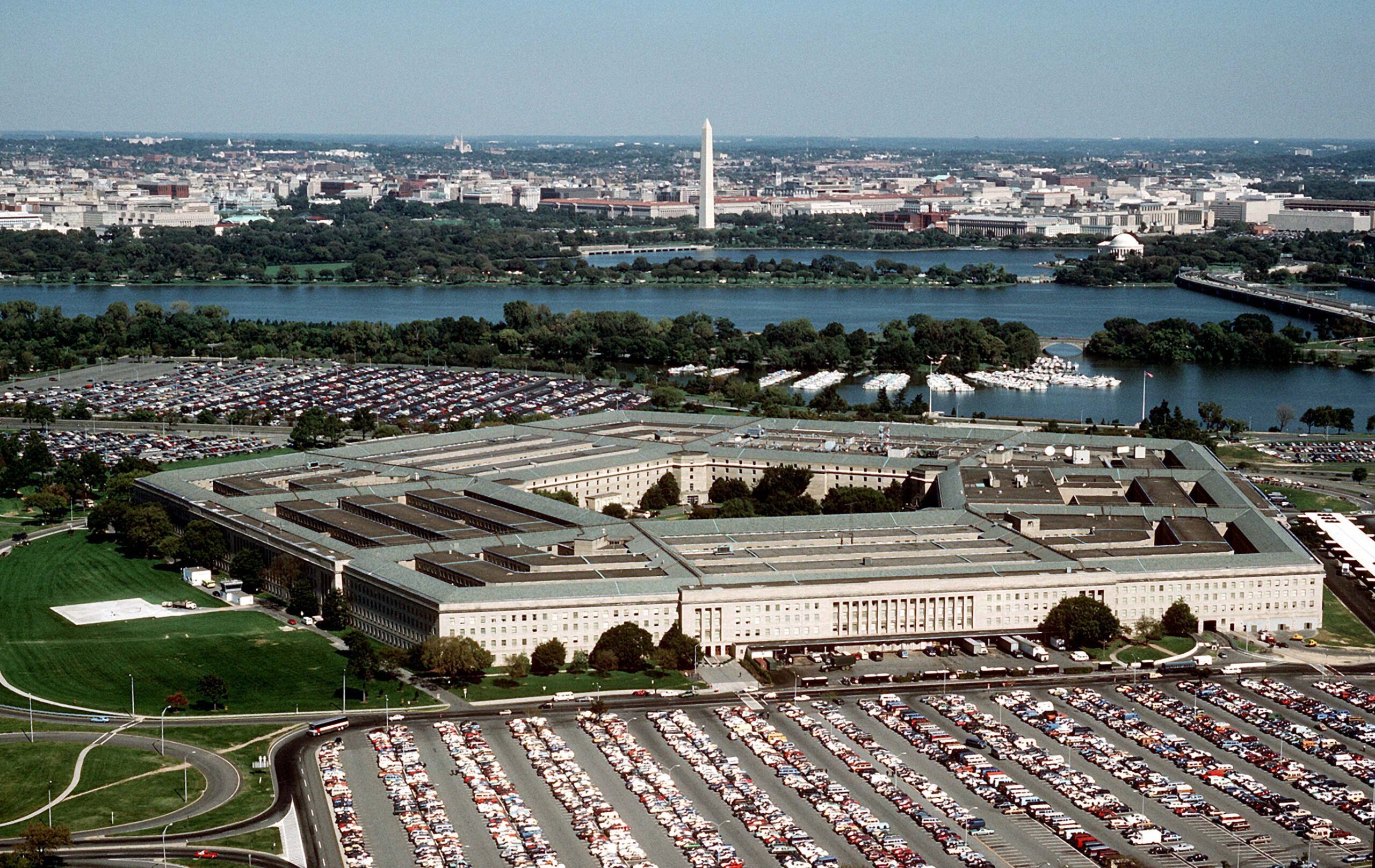
The Financial Scale: Breaking Down the $200 Billion Request
To put the Pentagon’s request into perspective, $200 billion represents a staggering commitment of resources. For comparison, this amount is equivalent to nearly half of the U.S. Department of Defense’s annual budget, which stood at approximately $842 billion for the 2023 fiscal year. The scale of this request underscores the intensity and resource-draining nature of the conflict with Iran, a theater that has widened in scope following increased regional tensions.
The funds, according to military analysts, are likely earmarked for a multi-faceted range of operations, including bolstering troop deployments, replenishing advanced weaponry, ensuring cybersecurity against Iranian digital threats, and supporting allied nations in the region. As defense analyst Mary Grant commented, “This is not just a commitment to a battlefield—it’s a commitment to an entire ecosystem of security needs that extend beyond Iran itself. Think regional deterrence, alliance reassurance, and energy security. It’s no small undertaking.”
Yet, this raises a fundamental question: where will the money come from? While the U.S. government has previously relied on supplemental wartime appropriations, debates in Congress over fiscal spending caps and the growing national debt may put this request under intense scrutiny.
Geopolitical Context: Why the Conflict Escalated
The proposed supplementary budget comes amid heightened hostilities in the Middle East. Iran has been accused of ramping up its attacks on energy infrastructure in the Gulf, including incidents reported at major oil and gas sites. Additionally, Israel’s outspoken responses to Iranian provocations have escalated concerns of a broader regional conflagration. “We are witnessing a proxy war that is dangerously close to tipping into outright confrontation,” argued defense strategist Michael Harris.
For the United States, the stakes are significant. The Middle East’s energy exports remain central to the stability of global markets, which have already seen shocks from the conflict. Brent crude prices recently spiked above $100 per barrel, adding to fears that the global economy could slide into further inflationary pressure. Critics argue that containing this issue diplomatically might prove more cost-effective than an extended military campaign.
Iran, meanwhile, has framed its actions as defensive, citing years of U.S. sanctions and regional isolation. Tehran’s increased aggression also aligns with a broader strategy of countering U.S. influence in the Middle East, analysts suggest. “Iran’s calculus is clear—they are leveraging all tools at their disposal to push back against what they perceive as a largely Western-dominated world order,” explained geopolitical expert Farid Mahmoudi.
Public and Political Reactions to the Budget Request
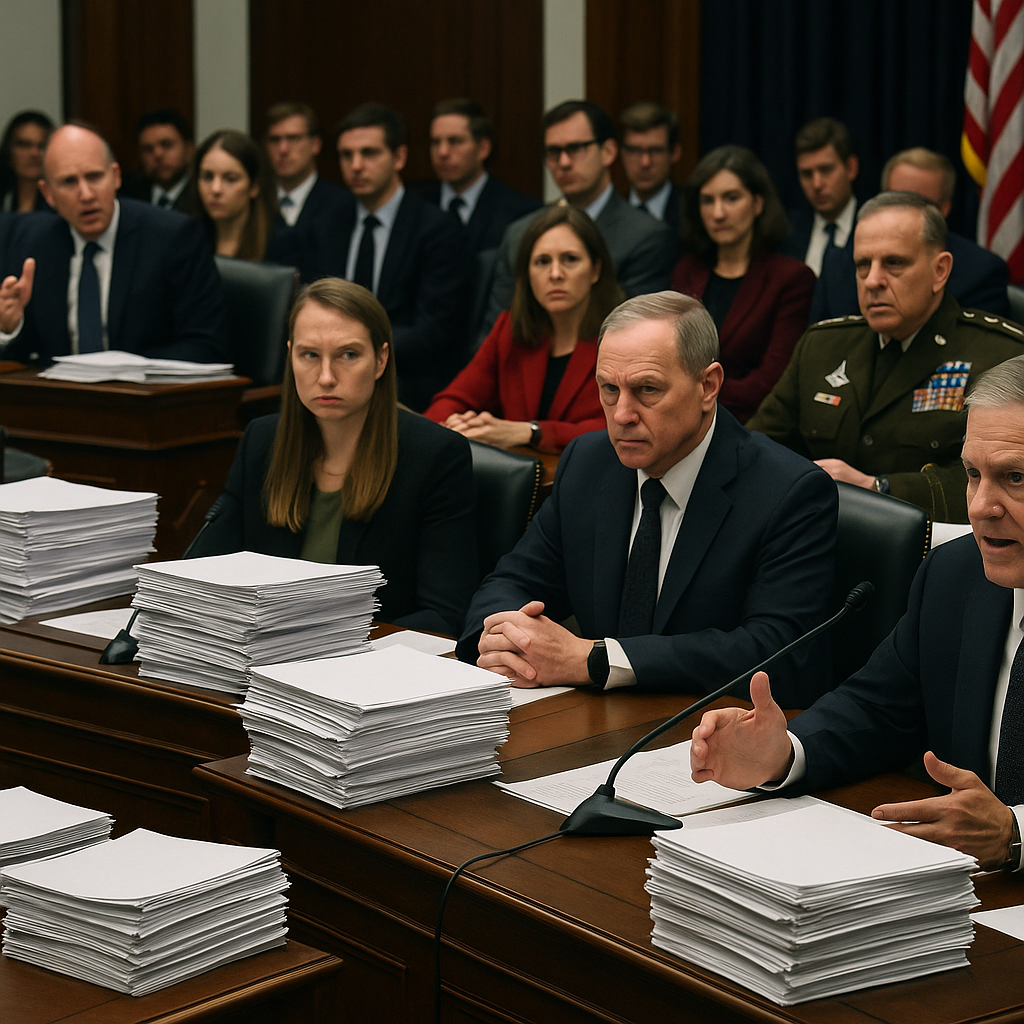
Back home, the Pentagon’s hefty funding request has sparked debate. Politicians from both major parties have expressed mixed reactions. Republican lawmakers, historically supportive of increased defense spending, are urging expedited approval to “protect American interests.” However, some populist conservatives have criticized the lack of oversight, arguing that taxpayers deserve greater transparency about how the funds will be used.
On the Democratic side, opinions are equally divided. Progressive members of Congress are raising urgent questions about opportunity costs, emphasizing how these resources could instead be invested in healthcare, environmental initiatives, or domestic infrastructure. Speaking on the matter, Representative Elena Ramirez stated, “While we recognize the importance of addressing security threats, we cannot continue funding endless wars without a clearer strategy and defined end goals.”
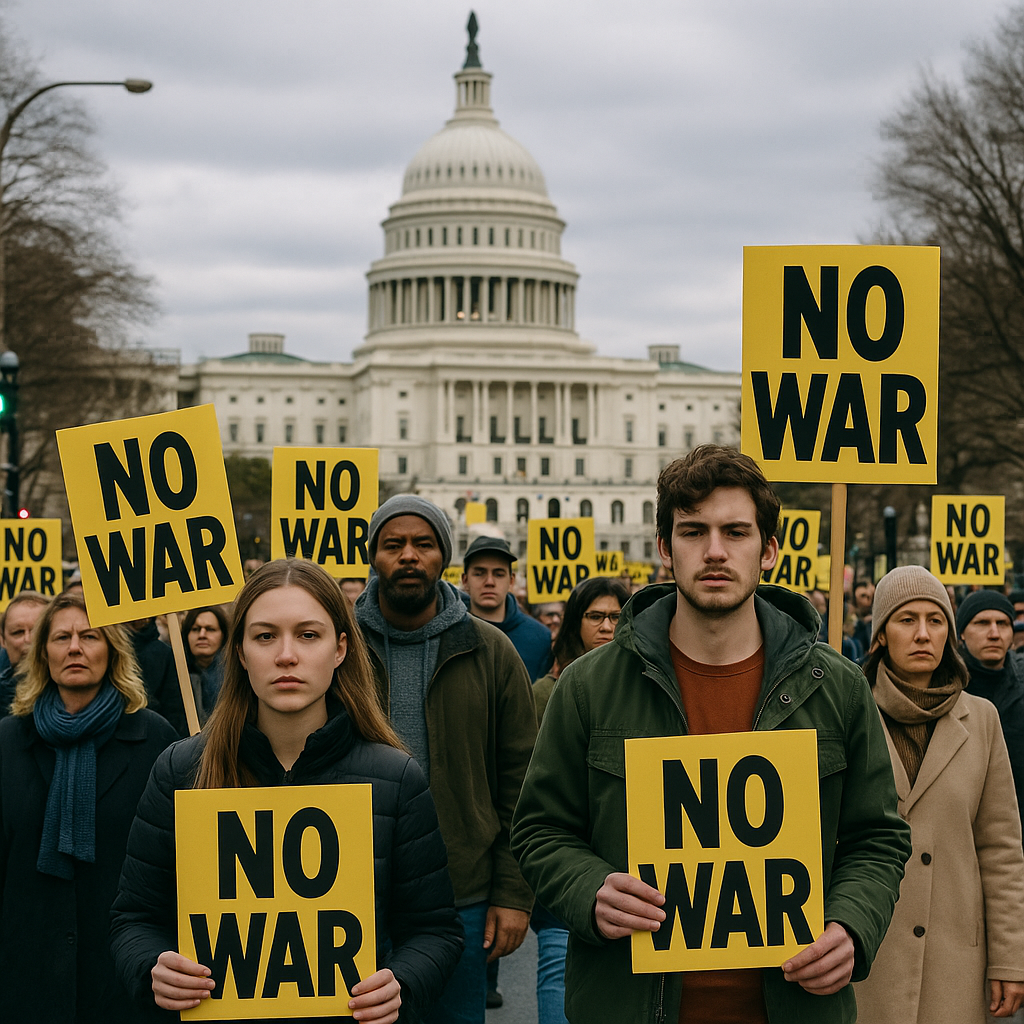
Meanwhile, public sentiment appears polarized. National surveys show declining support for America’s involvement in overseas conflicts, yet concerns over energy security and global stability weigh deeply on many voters. “It’s a balancing act unlike any other,” noted pollster Lila Curtis. “Americans are understandably war-weary, but they also understand the critical importance of global markets and alliances.”
Long-Term Implications for Global Stability
The financial and geopolitical ramifications of the Pentagon’s budget request go beyond immediate conflict management. Should Congress approve the additional $200 billion, the U.S. would effectively usher in one of its costliest military campaigns in history. This would coincide with growing competition from global superpowers like China and Russia, leading experts to question whether the U.S. risks overstretching its military and economic resources.
Several nations are monitoring U.S. moves closely. European allies, while supportive of ensuring energy security and curbing Iran’s threat, remain wary of prolonged escalation. NATO partners like Germany and France may push back against calls for significant allied contributions, considering their own energy woes and public opposition to overseas campaigns. Many non-aligned nations, including in the Global South, are already criticizing what they perceive as disproportionate American interventionism.
“The question is whether this will be a defining moment for the United States as a global peacekeeper—or whether it will further isolate America from the multilateral world order it seeks to champion,” noted Thomas Klein, a professor of international relations.
What Comes Next?
As the Pentagon’s request faces congressional scrutiny, key questions remain unanswered: How long does the U.S. anticipate remaining engaged in this conflict? What benchmarks must be met for the campaign to be considered successful? And perhaps most critically, how will American taxpayers respond to yet another massive spending bill during a period of rising national debt and domestic challenges?
On the horizon, the world will be watching the outcomes of U.S. legislative debates and their subsequent impact on global markets. Oil prices are unlikely to stabilize until clear resolutions emerge from Washington. Additionally, the risk of retaliatory strikes or accidental escalations in the Middle East continues to loom large. Regional players—ranging from Iran’s allies to neighboring Gulf states—remain unpredictable variables in this volatile equation.
For now, one thing is clear: the $200 billion figure represents more than financial considerations. It’s a testament to the sheer complexity of geopolitics in 2023, where economics, military might, and diplomacy collide on a high-stakes stage.