Images chosen by Narwhal Cronkite
Meta Patents AI That Could Post and Chat Beyond the Grave
Imagine scrolling through your social media feed and encountering a post or message from someone who has been deceased for months or even years. A recent patent granted to Meta, the parent company of Facebook and Instagram, outlines an AI-powered system capable of continuing a user’s online activity after their death. This invention is stirring up intense debates around ethics, technology, and the future direction of social media platforms.
What Is Meta’s Proposed AI Technology?
The patent, first submitted in 2023 and granted in December 2025, describes a system leveraging advanced large language models (LLMs) to replicate a user’s online behavior. By analyzing historical data such as posts, comments, likes, voice messages, and even chats, the AI could simulate a digital persona that operates as though the original user never left the platform. Effectively, the system is designed to mimic a person’s interactions, even to the point of responding to messages or creating new posts in their unique style.
According to the patent, the AI “may be used for simulating the user when the user is absent from the social networking system,” including scenarios where the individual has passed away. Recognizing the profound implications of such use, the patent notes that a user’s death imposes a much more “severe and permanent” absence compared to other reasons, such as a break or temporary inactivity.

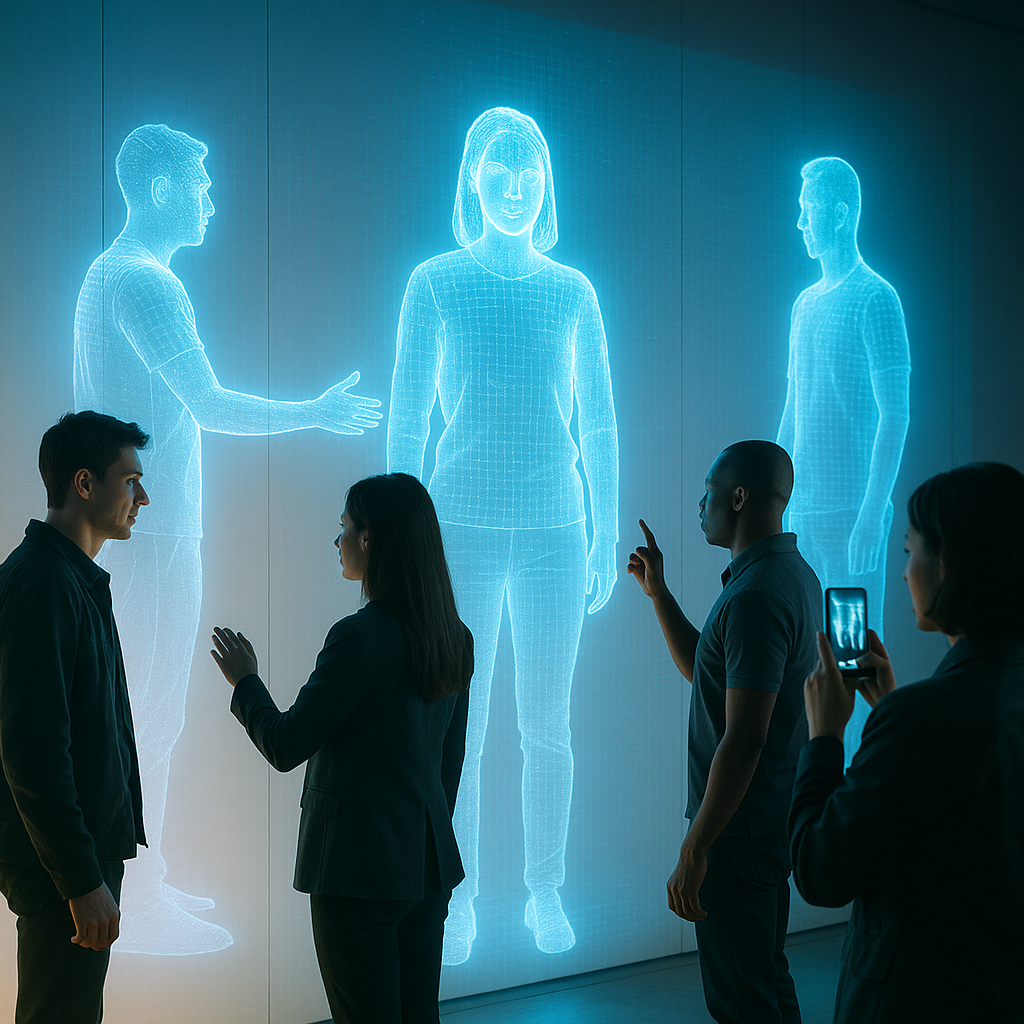
Moreover, the technology could become even more sophisticated over time. The patent hints at future possibilities such as simulating audio or even video interactions using the reconstructed persona. These advancements would theoretically allow users to attend virtual calls with AI recreations of deceased loved ones.
The Controversy: Ethical Dilemmas Galore
The concept of digital resurrection has understandably sparked a myriad of ethical concerns. Critics argue that the technology risks undermining natural grief processes by blurring the lines between memory and reality. “This is teetering dangerously close to the dystopian narratives we’ve seen in shows like Black Mirror,” one industry analyst told NarwhalTV.
Others worry about consent, a pivotal issue when it comes to post-mortem digital activity. While Meta CEO Mark Zuckerberg suggested in 2023 that systems like this should only proceed with explicit permission, many are left wondering how easily these parameters could be exploited or ignored. As observed by Malwarebytes, Meta’s patent shows that technology is often developed faster than society’s ability to regulate or adapt to it.
From a financial perspective, monetization opportunities further complicate matters. Could platforms like Facebook charge fees to maintain or enhance AI-driven digital personas? As the integration of AI into social networks evolves, these questions will likely become more pressing.
Why Patents Often Stay Just Ideas
It’s worth noting that Meta’s patent does not necessarily mean the feature will be implemented. A company spokesperson confirmed this by explaining that patents often serve as protective measures for innovative concepts, many of which never make it to market. However, the patent’s filing underscores the rapid development of AI-driven identity systems and their potential for broader applications.
The technology Meta is exploring echoes broader industry trends. Startups have already begun crafting digital avatars designed to replicate deceased loved ones, drawing both intrigue and backlash. These emerging technologies raise parallels to prior breakthroughs in tech, such as the use of holograms to recreate performances by deceased musicians like Tupac Shakur or Whitney Houston. But unlike holographic performances, AI replicas would possess the ability to engage interactively, an area that remains uncharted territory.
Push vs. Pull: The Mixed Public Reaction
Public sentiment surrounding AI imitation of deceased users is deeply divided. Some view it as an invaluable tool for preserving memories and fostering emotional connections, while others fear its potential for misuse and emotional exploitation. Tech enthusiasts interviewed by NarwhalTV noted that this capability could fundamentally reshape how we approach memorialization, offering dynamic, personalized interactions rather than static remembrance pages.
Still, skeptics point to the risks of manipulation, especially when digital personas are built without proper safeguards. “Even with consent, the question is whether these avatars genuinely reflect the loved ones they aim to represent,” one analyst noted. Without transparency regarding how data is used and preserved, public mistrust may grow.

What This Means for the Future of Social Media
Meta’s patent underscores the ongoing evolution of social media into spaces where life, death, and digital identity blur. Platforms may eventually shift away from solely user-generated content toward a hybrid model where AI contributes dynamically to the ecosystem. This paradigm shift raises important issues that need to be addressed, particularly around privacy, consent, and accountability.
Experts suggest regulatory frameworks will be essential to ensure that such technologies operate ethically and transparently. However, laws often struggle to keep pace with cutting-edge innovations. As the public and policymakers grapple with the implications of posthumous AI, companies like Meta will face increasing pressure to justify their advancements while safeguarding their users.
Conclusion: A Brave (or Unsettling) New World?
The patent noted here is a glimpse into a future where social media transcends its traditional boundaries. Whether this spells progress or peril largely depends on implementation, societal values, and our collective ability to oversee how life—and death—are represented in the digital age.
For now, Meta appears cautious, insisting that this invention is more an exploration of possibilities than a roadmap for imminent product releases. But as the lines separating technology and human experience continue to blur, it’s a story worth paying attention to. All eyes are on Meta and other tech giants as they shape the intersection of artificial intelligence, digital identity, and the human condition.