Images chosen by Narwhal Cronkite
WP: Russian Intelligence Planned to Stage an Assassination Attempt on Orban to Influence Election Results
In a developing story reported by Euromaidan Press, Russian intelligence agencies allegedly formulated plans to stage an assassination attempt on Hungarian Prime Minister Viktor Orbán. This revelation raises alarming questions about foreign interference in domestic elections and the geopolitical implications of such tactics.
Meddling in Hungary: Strategic Calculations by Moscow?
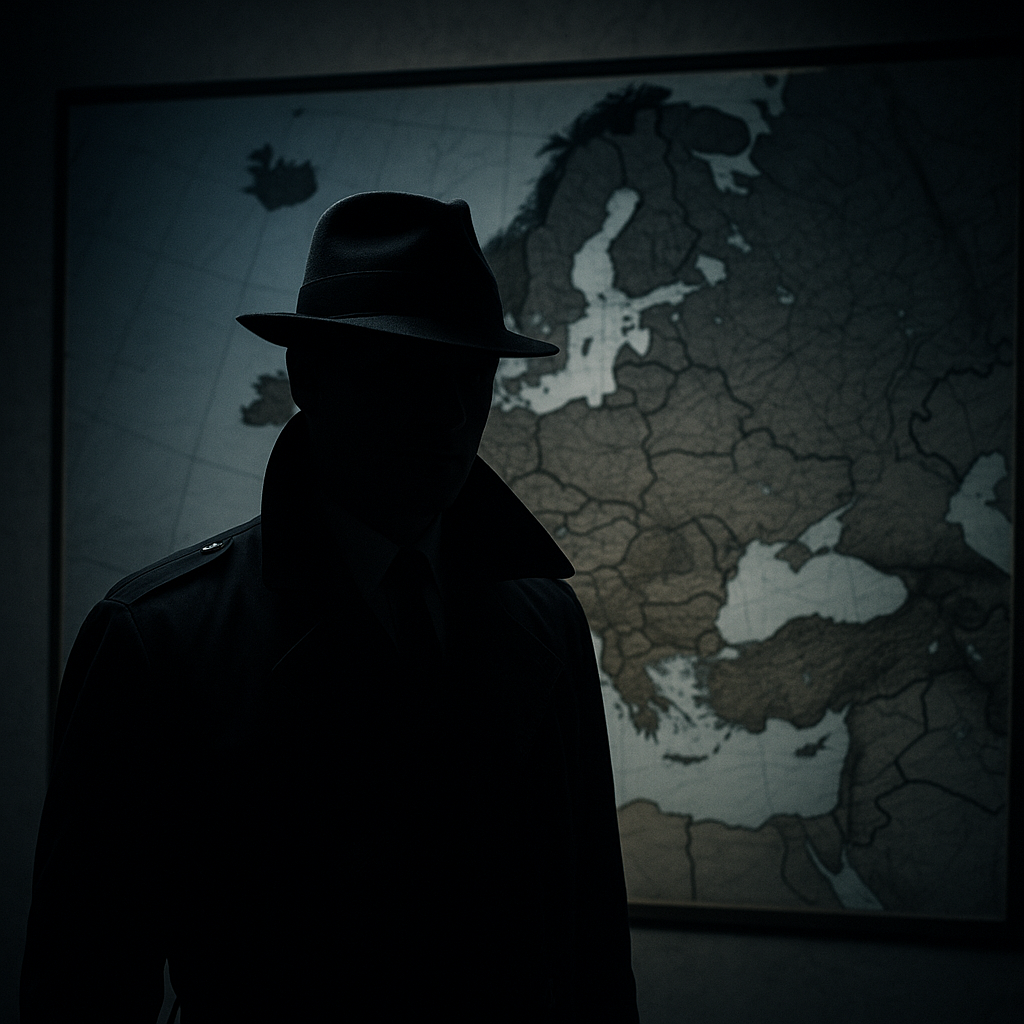
The report by Euromaidan Press highlights an audacious, albeit unverified, plan attributed to Russian intelligence. According to the publication, officials within Russian state security contemplated simulating an attack on Viktor Orbán ahead of Hungary’s elections, aiming to disrupt public sentiment and adjust electoral outcomes in a manner advantageous to Moscow.
Although specific details of the scheme remain unavailable, this alleged maneuver underscores Russia’s increasingly aggressive approach to international affairs. Analysts have suggested that orchestrating an event of such magnitude signifies a willingness to manipulate domestic politics within Europe, a region historically strained by Russian geopolitical influence.
Hungary, whose government under Orbán has displayed closer ties to Russia than most other European nations, might seem an unconventional target for such interference. While Orbán’s administration has at times criticized Western sanctions on Russia and maintained a distinctively pro-Moscow stance in the European Union, experts believe Russia might be pursuing more sophisticated moves aimed at broadening its influence.
The Larger Context of Russian Intelligence Operations
This news coincides with broader reports on the activities of the Russian Federal Security Service (FSB). As reported by Globalsecurity.org, Russian President Vladimir Putin recently delivered an address at the FSB’s board meeting, emphasizing heightened vigilance and proactive measures to ensure the nation’s security on the global stage. His remarks, though characteristically terse, hinted at escalated intelligence operations in response to what the Kremlin perceives as Western aggression.
The combination of such rhetoric with the alleged plan against Orbán suggests an escalatory phase of Russian international strategies. “While the FSB has often engaged in aggressive, covert measures,” says Dmitry Romanov, a Moscow-based security analyst, “the concept of manufacturing a high-profile incident like an assassination attempt represents an entirely different level of interference.”

Why Viktor Orbán? Potential Motivations
The choice of Orbán as the alleged target paints a complicated picture. Though Orbán has been criticized by Western democracies for democratic backsliding and close ties to Moscow, his popularity within Hungary could paradoxically make him a figure of interest rather than an ally. A staged attack might have been calculated to elicit voter sympathy or further polarize Hungary’s domestic politics, positioning Moscow as an unseen hand capable of manipulating any side to its benefit.
Experts point out that Hungary’s political importance is growing within the EU, particularly as nationalist sentiments rise across Europe. Some suggest that Russia’s leaders might be crafting contingency plans to ensure favorable candidates or policies regardless of electoral outcomes. “It’s less about Orbán himself and more about shoring up influence in a key European Union state,” explains Helena Kravchenko, a political scientist specializing in Eastern European affairs. “Russia’s strategy is opportunistic—seize moments of vulnerability and ensure that favorable channels of influence remain intact.”
While the evidence remains circumstantial, this incident highlights the growing tactical sophistication of disinformation and covert activities aimed at shaking the political security of European democracies.
Russia’s Broader Foreign Strategy Amid Global Tensions
The alleged operation against Orbán arrives against a backdrop of intensifying global tensions. Among other notable developments, the United States is currently engaged in military action against Iran, dubbed “Operation Epic Fury.” As reported by Natural News, President Donald Trump announced this large-scale conflict in February, marking another potentially destabilizing episode in global geopolitics.
“These simultaneous conflicts and maneuvers are by no means coincidental,” adds Kravchenko. “The Kremlin likely sees this period of international instability as fertile ground for advancing its interests, particularly within Europe where Western unity is under constant strain.”
Internal divisions in Europe over strategic issues like energy dependence and diverging diplomatic approaches to Russia further exacerbate vulnerabilities. Even leaders like Orbán have found ways to navigate the thin line between cooperation and opposition to Vladimir Putin’s administration, leaving Hungary susceptible to external political manipulation.
Implications for Hungary and Beyond
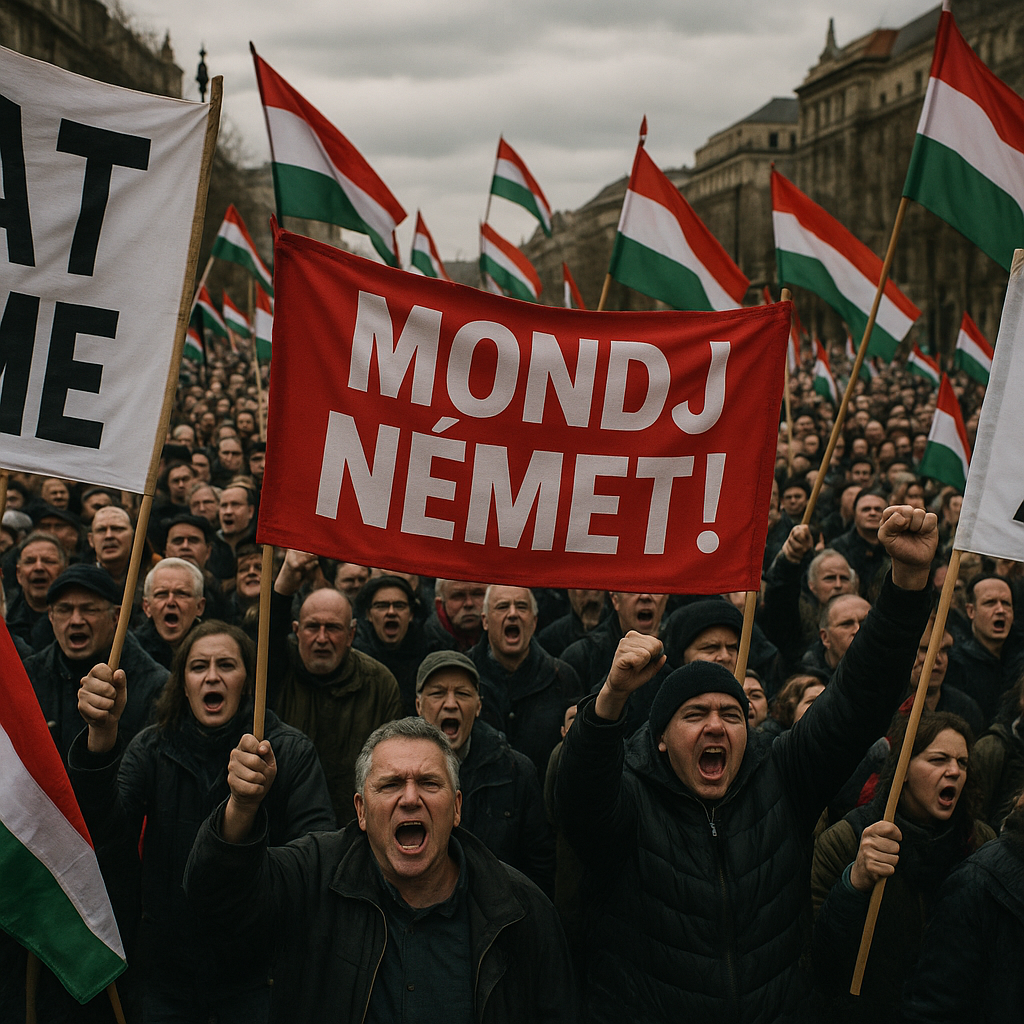
While it is too soon to confirm the veracity of these reports, the implications are profound. If true, Russia’s willingness to orchestrate an event of such magnitude reflects an emboldened intelligence apparatus. Its ramifications reach beyond Hungary into the broader European political landscape, potentially complicating efforts to counter political interference and safeguard democratic processes.
Hungary, in particular, may find itself reassessing its security strategies, not only in relation to Russia but also within the broader context of European solidarity. “Whether an ally or opponent, no nation wants to feel as though its democratic processes can be manipulated at the whim of a foreign actor,” notes political analyst László Horvath.
What Happens Next?
The fallout from this revelation remains uncertain. Observers are likely to monitor reactions from the Hungarian government, Russia, and the European Union as more clarity emerges. If the allegations hold, it could spur further scrutiny and potentially sanctions against Moscow. At the same time, Hungary’s domestic opposition may seize upon the allegations to further challenge Orbán’s administration.
Meanwhile, the larger question looms: how can nations immune themselves to such methods of interference? As the digital age evolves, the boundary between disinformation and physical intervention seems to blur further. European leaders must tread carefully, balancing policies of resilience against external threats while avoiding domestic overreach into civil liberties.
Ultimately, these allegations shed light on the broader tactics employed globally to disrupt, distract, and divide. For Hungary, Europe, and indeed the world, vigilance has never been more crucial.