Images chosen by Narwhal Cronkite
Ms. Rachel Advocates for Closing Dilley ICE Facility After Heartbreaking Conversations with Detained Children
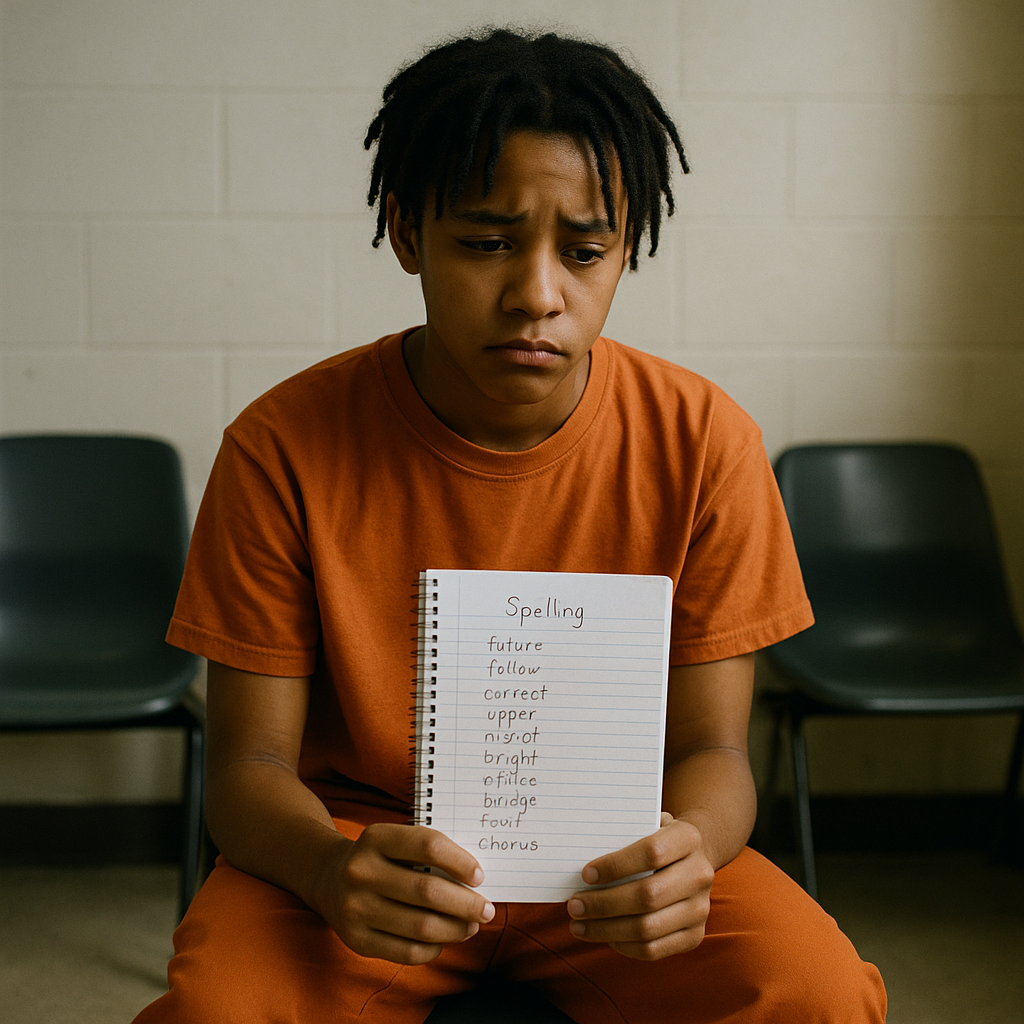
When 9-year-old Deiver described missing his friends, struggling with moldy food, and the heartache of potentially missing his national spelling bee, it wasn’t an adult politician or lawyer he was speaking to for assistance. It was Ms. Rachel, the beloved internet children’s educator known for her cheerful videos engaging toddlers and their parents.
Her encounter with children currently detained at the Dilley Immigration Processing Center paints a vivid picture of the challenges and emotional toll faced by families held in facilities like Dilley. Now, Ms. Rachel has become a voice advocating for change, aiming to bring attention to the conditions many of these children endure and pushing to close the controversial facility.
The Dilley ICE Facility: A Fractured System for Families
Located in South Texas, the Dilley Immigration Processing Center serves as the largest family detention center in the United States. Since its opening, Dilley has become a flashpoint for conversations around immigration policy and the well-being of children detained with their families.
The facility has faced heavy criticism for years. Reports from court-appointed monitors and advocacy groups describe a lack of adequate educational resources, poor food quality that triggers illnesses in children, and harsh 24/7 lighting that damages mental health. According to statistics provided by monitors, over 2,300 children were detained in family facilities like Dilley within the first year of more aggressive immigration policies.
Deiver’s story is just one example of the struggles faced by these detained families. Despite having won his regional spelling bee and earning a spot to attend the state competition, his dreams now hang in limbo. To many who’ve interacted with families held at facilities like Dilley, stories like Deiver’s evoke questions about their long-term impacts on children’s development and emotional well-being.
Ms. Rachel’s Role: Bridging Advocacy with Education
Rachel Accurso, the educator affectionately called Ms. Rachel, became aware of Dilley through widely circulated images earlier this year, including one of 5-year-old Liam Conejo Ramos wearing a Spider-Man backpack after his father’s detention in Minnesota. The plight of these children resonated deeply with her mission of uplifting and educating young minds.
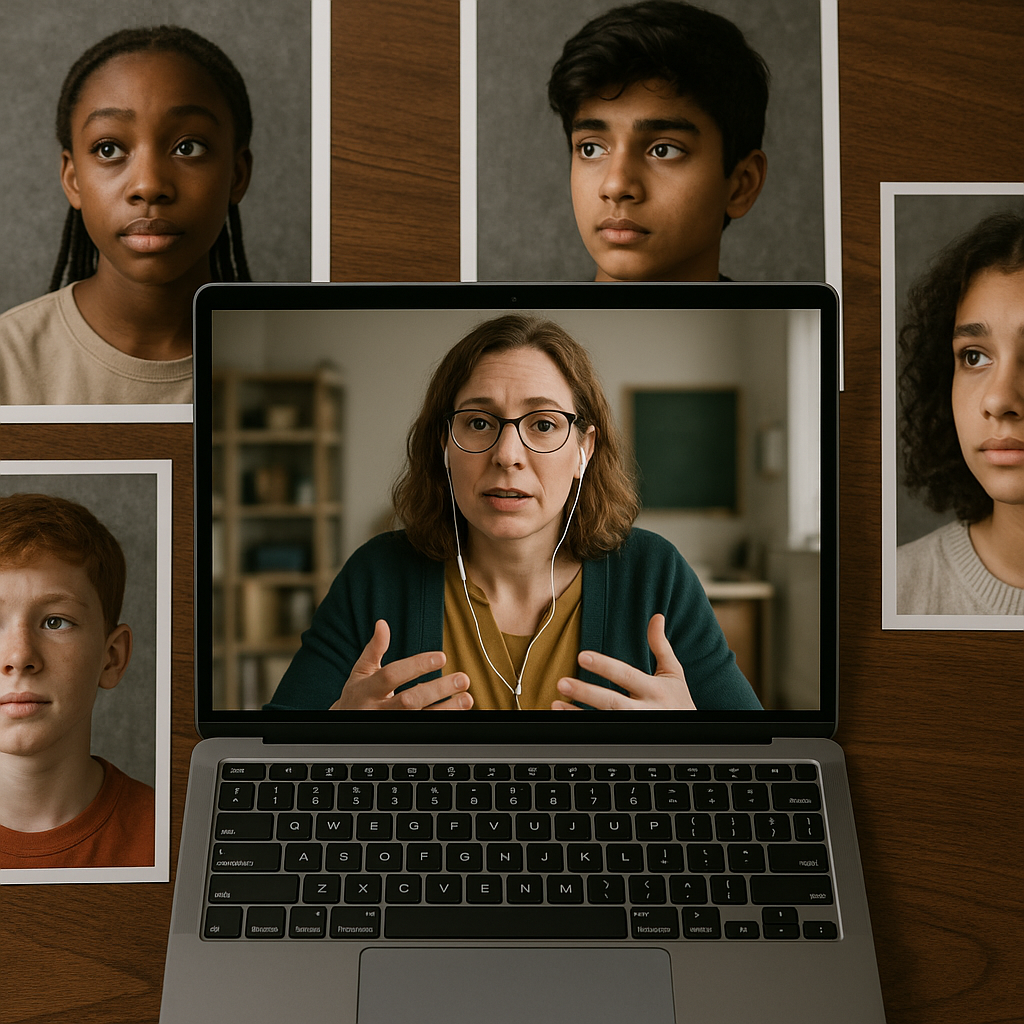
Accurso, whose distinct pink headbands and warm demeanor have made her an icon among parents and toddlers, took a more active role in advocacy after speaking to kids inside Dilley firsthand. “Seeing children like Deiver—bright, talented, and full of potential—stuck in an environment that robs them of opportunities broke me,” she shared with NBC News. “We need to ensure these kids are treated with dignity.”
Her outreach has ignited public discourse, bringing renewed focus on the conditions experienced by detained families. While her work remains rooted in being apolitical and centering children’s well-being above all, many observers note the unique power Ms. Rachel holds as an approachable and nonpartisan advocate.
Persistent Problems in Family Detention Facilities
The broader issue highlighted by Dilley is systemic. Immigration detention centers across the United States face consistent critiques, with recurring issues such as limited legal resources, minimal healthcare, and unsuitable living conditions.
The story of Liam Conejo Ramos, a child photographed during his father’s detention in Minneapolis, previously drew attention to such issues. Advocacy organizations have described challenges faced in navigating asylum claims while being detained. In many cases, families lose hope after asylum request denials.
For children, the effects are stark. Reports from the American Psychological Association indicate that prolonged detention can lead to developmental challenges, anxiety disorders, and compromised mental health. In interviews with NBC News, professionals reviewing Dilley noted its prisonlike design contributes to long-lasting trauma among detained children.
What Advocates Suggest Moving Forward
While efforts to address the issue are ongoing, closing facilities like Dilley remains controversial. Policy analysts argue realistic solutions would involve significantly increasing funding for community-based alternatives to detention or using monitoring systems instead of physical centers. By removing children and families from facility-like environments, advocates hope to create more humane conditions while respecting immigration law enforcement efforts.
Ms. Rachel herself has expressed hope that the public’s growing awareness will lead to institutional change. “When people picture children held like that, it hits differently,” she said, referencing the efforts of activists and educators bringing resources and attention to the crisis.
Additionally, organizations advocating for policy changes suggest partnering with public figures to amplify the issue, just as Ms. Rachel is doing. Experts regularly cite networking between grassroots activists and stakeholders as vital in creating actionable policy reforms.

Looking Ahead: What’s At Stake
While the future of the Dilley facility remains uncertain, the conversations surrounding its existence highlight deeper systemic challenges in managing migration. Regardless of whether Dilley continues operations, the debate has drawn attention to the broader treatment of families seeking safety within the U.S.
For Ms. Rachel, the journey emphasizes intersectionality between education and advocacy. By humanizing the struggles of children like Deiver, public figures could empower change by bridging gaps in understanding. As legal proceedings continue and policy proposals circulate, advocates hope to see bipartisan collaboration emerge in addressing family detention concerns with compassion and creativity.
The stories of children like Deiver and Liam will likely continue to echo, urging Americans to ask difficult questions about how the country handles immigration. The humanitarian dimension of family detention adds a complex layer to the broader policy debate, demanding balanced solutions in the pursuit of fairness and human rights.
For now, concerned individuals like Ms. Rachel remind us of a simple truth: every child deserves a chance to thrive, regardless of borders or politics. The fight for that principle continues.