Images chosen by Narwhal Cronkite
Iran to Completely Close Hormuz if Trump Executes Energy Threats, Revolutionary Guards Warn
The Strait of Hormuz, one of the world’s most strategically vital waterways, is once again at the center of mounting geopolitical tensions. A senior official from Iran’s Revolutionary Guards (IRGC) has announced that Iran would move to completely block the strait if former U.S. President Donald Trump follows through on threats targeting Iranian energy exports, according to a Reuters report. This declaration marks the latest escalation in a growing standoff, with global economic and security implications. Iran’s control of the strait, through which around 30% of the world’s seaborne oil exports pass, underscores the high stakes of any conflict in the region.
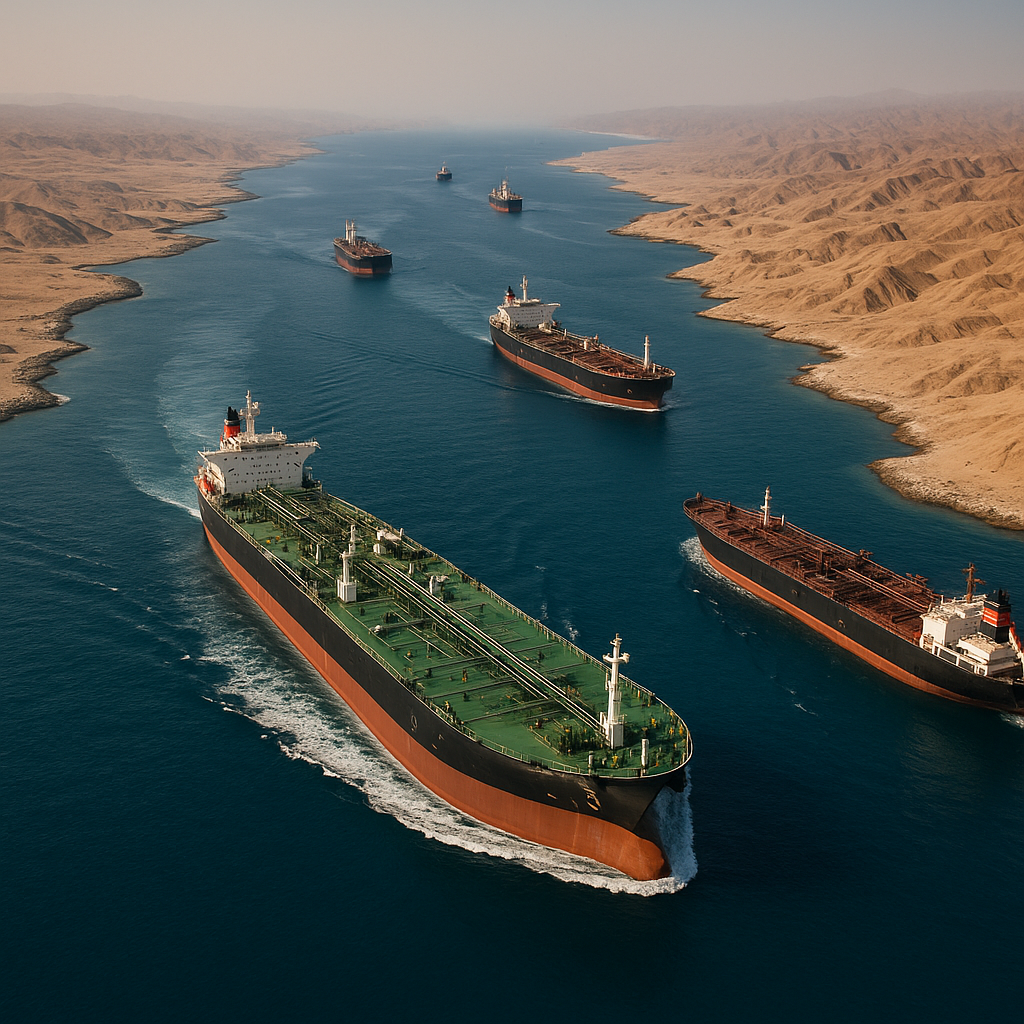
Why the Strait of Hormuz Matters
The Strait of Hormuz is a narrow, strategically critical chokepoint that links the Persian Gulf with the Gulf of Oman and the Arabian Sea. With about a fifth of global petroleum demand dependent on oil transported through the strait, its closure could send shockwaves through global energy markets. Past incidents in the region have shown that even limited disruptions to shipping in the strait can lead to sudden spikes in crude oil prices.
Geopolitical analysts emphasize the unique leverage Iran holds by controlling access to the strait. “Iran has long maintained that the Strait of Hormuz is a defense perimeter,” explains Middle East analyst Sarah Lawson. “If Iran believes its sovereignty or energy sector is under threat, it could use the strait to extract concessions or assert strategic pressure.” A report by The Atlantic noted that previous administrations underestimated Iran’s willingness to use this tactic as a significant geopolitical bargaining chip.
Trump’s Policy and Iran’s Response
Donald Trump’s potential influence on U.S. foreign policy, even in his post-presidency, has complicated the dynamics in the region. According to reporting by Crooks and Liars, senior military advisers previously warned Trump during his presidency that targeting Iran would provoke a strong retaliatory response. These warnings appear prescient as tensions once again boil over.
Iran’s recent warning to close off the strait is not without precedent. In 2019, following heightened sanctions imposed by the Trump administration, Iran threatened similar measures but stopped short of actual implementation. However, experts note that the current context may be different. Calls from some Iranian hardliners have pushed for a tougher stance against perceived U.S. “aggression” and “economic warfare.” Meanwhile, an analysis by The Atlantic criticized the lack of a coherent U.S. strategy for dealing with Iran, stating plainly, “Trump had no Plan B.”
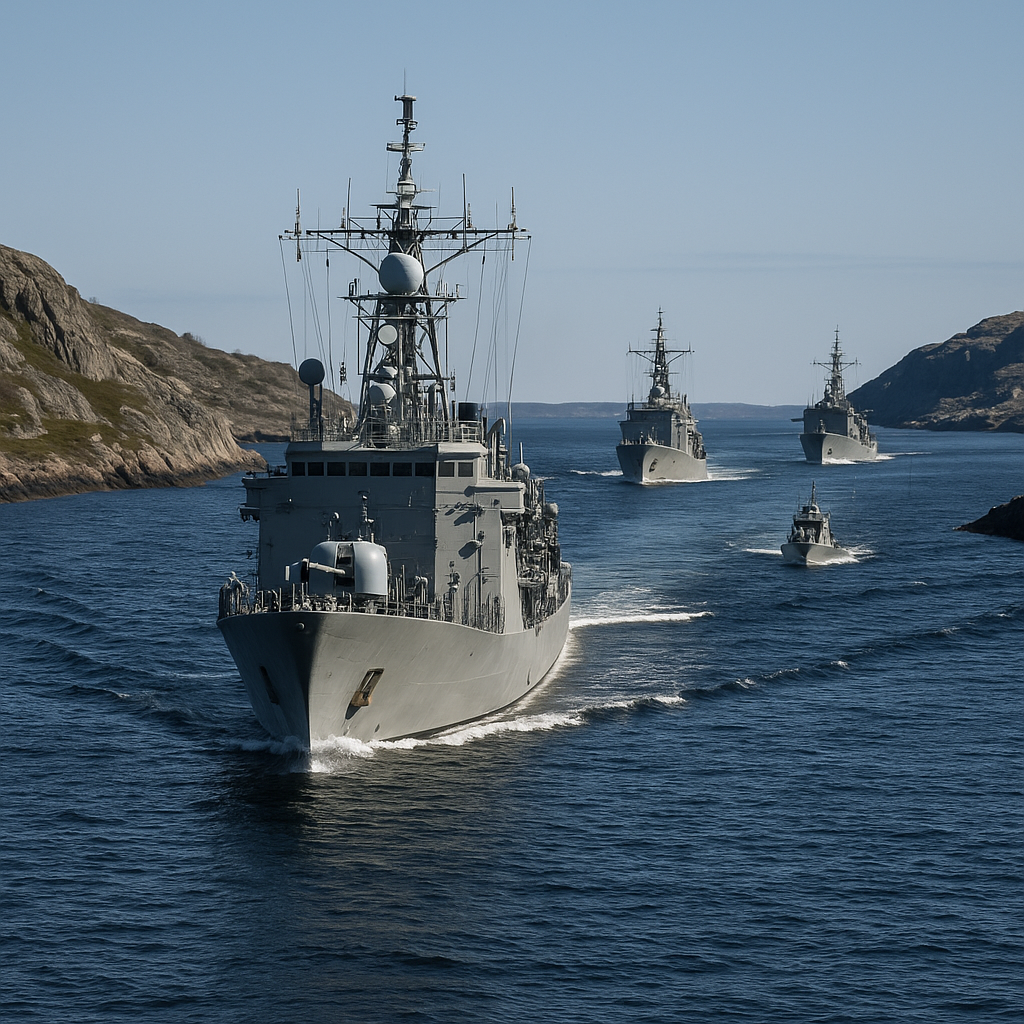
For its part, the Iranian leadership sees the potential closure of the Strait of Hormuz as a last-resort option rather than an opening move. IRGC officials have reportedly warned that they could use everything from sea mines to drones and anti-ship missiles to enforce the closure, highlighting a significant risk of escalation if the situation deteriorates further.
Wider Implications: Energy and Global Markets
The implications of a blockade at the Strait of Hormuz extend far beyond Iran and the United States. The global energy market is already grappling with supply chain challenges and volatile crude prices, exacerbated in part by ongoing geopolitical instability in other regions. Analysts suggest that any disruption in the waterway would push oil prices sharply higher, putting pressure on importing nations and inflating energy costs for consumers and businesses worldwide.
According to energy economist Dr. Naveed Zaman, “Should Iran make the extreme move to close Hormuz, global crude prices could spike by 20-30% within days. This would have cascading effects on transportation costs, industrial output, and inflation rates globally.” The United States and its allies would likely be forced to respond swiftly, whether through diplomatic efforts or military intervention, to reopen global supply lines.
However, some commentators argue that the immediate crisis may not be oil but other essential resources. A report by Jezebel pointed out that the region is also a critical channel for food supplies. A disruption would significantly threaten Gulf states that rely heavily on imported food, potentially sparking humanitarian concerns alongside economic ones.
What’s Next for Regional Stability?
The situation underscores the fragility of regional stability in the Middle East. Diplomatic channels, including intermediaries, will likely ramp up communication to de-escalate tensions. However, trust between Washington and Tehran remains low, with both sides accusing the other of brinkmanship.
Military officials and experts caution against underestimating the severity of an Iranian blockade. In their view, proper risk assessments must address the multiple levers Iran can pull to respond to foreign threats. “The Iranian regime knows the cost of direct military confrontation. They’re more likely to embrace asymmetric warfare and economic disruption,” observes defense policy expert Michael Herzog.
Policymakers in major economies, particularly in Europe and Asia, will likely monitor the developments with growing concern. As consumers and industries brace for potential price volatility, calls for alternative energy sources and reduced reliance on Middle Eastern oil may intensify.

The Road Ahead: Choices in a Tightrope Walk
Global attention is now fixed on whether diplomacy can prevail or whether the Strait of Hormuz will become ground zero for a dramatic escalation in U.S.-Iran relations. Past crises in the region have shown that high-stakes brinkmanship carries significant risks, including miscalculations that could lead to broader conflict.
In the face of this uncertainty, industry observers stress the importance of preparedness. From energy markets to regional security alliances, stakeholders are assessing potential contingencies. While some hold out hope for diplomatic intervention, others warn that expectations of an immediate resolution may be overly optimistic.
As these developments unfold, global markets, governments, and citizens alike remain on edge. The Strait of Hormuz is more than just a chokepoint for energy—it is a potential flashpoint that could reshape dynamics far beyond the coastline of the Persian Gulf.