Images chosen by Narwhal Cronkite
Trump’s Stark Ultimatum to Iran: Strait Closure Prompts Threat against Power Plants
In what could escalate tensions across the Middle East, former U.S. President Donald Trump has issued Iran a 48-hour deadline to reopen the Strait of Hormuz—a critical global oil transit route—or face possible military strikes against its energy infrastructure. This alarming ultimatum, first reported by Bloomberg, rekindles fears of conflict in a region that has long been a flashpoint on the global stage.
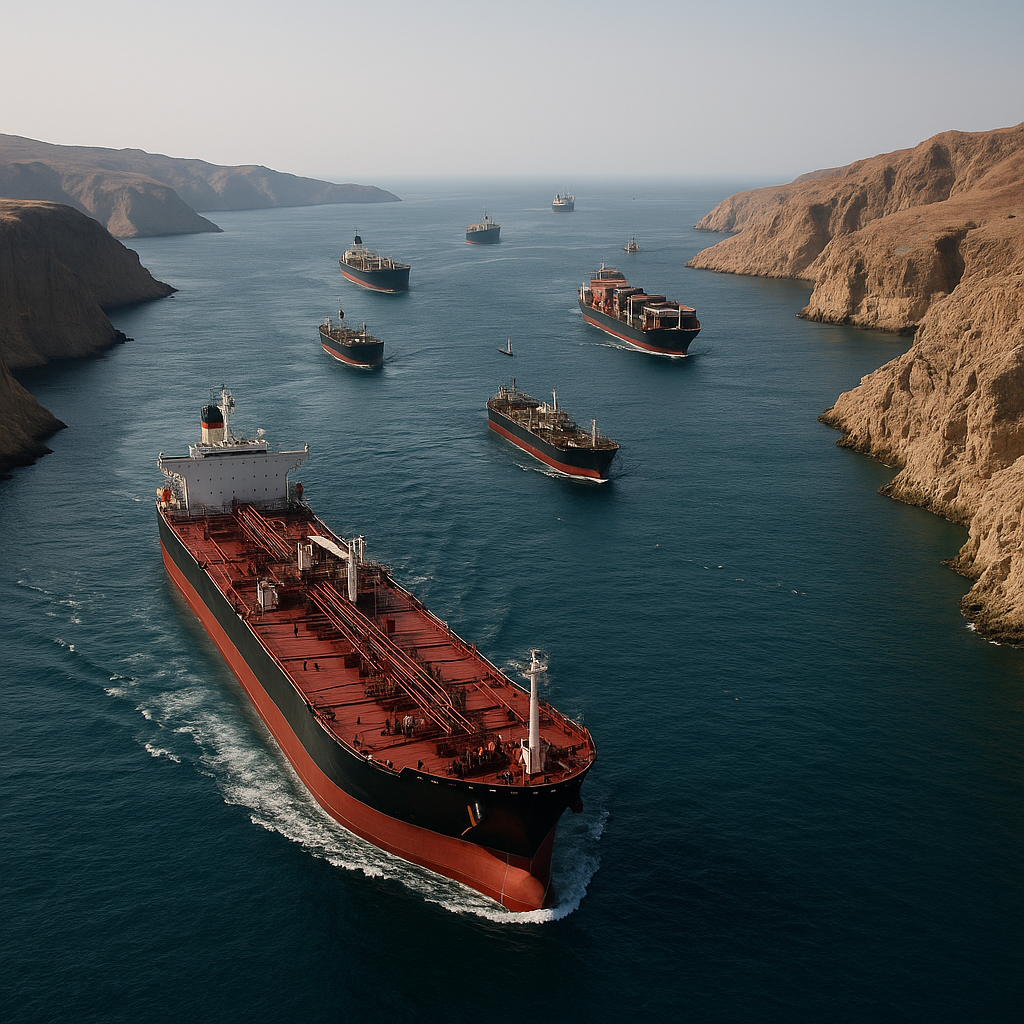
Why the Strait of Hormuz Matters
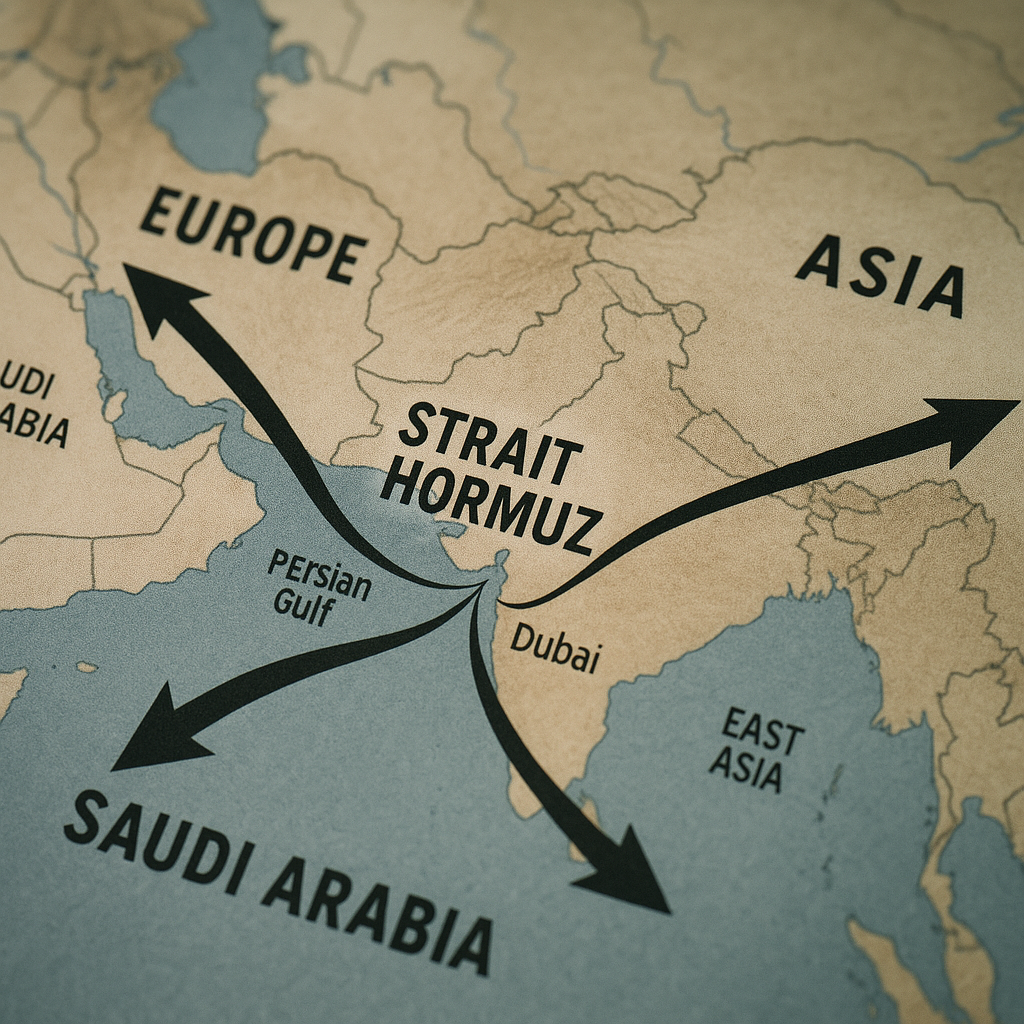
The Strait of Hormuz has considerable strategic importance, acting as a chokepoint for nearly a fifth of the world’s traded oil. Its security is intrinsically tied to the stability of the global energy market. A blockade—or even the perception of instability in the region—often sends ripple effects through global oil prices, affecting everything from manufacturing costs to household energy bills.
Iran’s historical strategy of using the Strait as a leverage point in geopolitical disputes is well documented. According to Deadline, tensions with Iran have intensified significantly over the past month following U.S.-Israeli military actions targeting Iranian sites. CNN’s Frederik Pleitgen and a reporting team who recently returned from Tehran described the palpable uncertainty within Iran: “We were on edge the whole time we were there.”
Should Iran choose to prolong the closure, experts warn oil prices could soar to unprecedented levels, triggering broader economic consequences worldwide. Beyond oil, the Strait is critical for liquefied natural gas shipments, adding further stakes to the diplomatic standoff.
Military Threats: Moving Beyond Sanctions
What sets Trump’s latest ultimatum apart is its direct military undertone. Historically, the United States and Iran have been locked in accusatory rhetoric and economic sanctions, but this specific threat against Iranian infrastructure represents an alarming deviation from diplomatic norms. Iran’s power grid, which features older facilities and lacks advanced cybersecurity protections, could suffer catastrophic damages if targeted.
The former administration’s unease with Iran’s nuclear ambitions and regional influence is well-documented. In February, both Sputnik Globe and Global Security reported that the United States positioned itself for new nuclear talks with Iran, but little progress was achieved. According to analysts, the stalemate may have fueled current tensions, pivoting efforts from diplomacy to coercion.
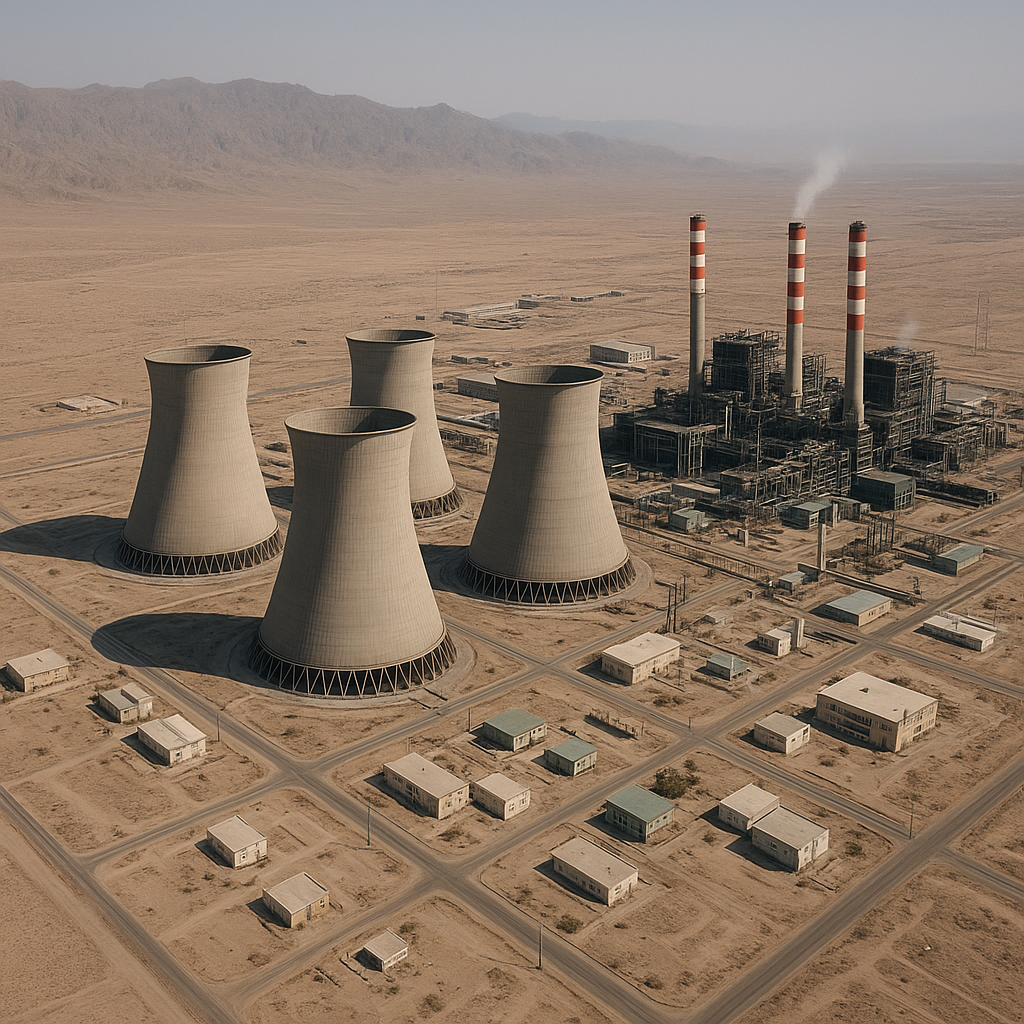
Is Iran Prepared for Retaliation?
Iran’s response to military threats has historically been both symbolic and measured, with regional proxies often utilized to counter U.S. aggression. However, mounting pressure from Trump’s bold ultimatum might provoke more direct retaliation this time. Tehran’s leadership has yet to formally confirm whether the Strait will remain closed or be reopened, but officials have said that the closure acts as a “security measure against destabilizing threats in the region.”
This raises another crucial question: is Iran prepared for outright confrontation? Military analysts have underscored its asymmetric capabilities, noting Iran might push for indirect counterstrikes through cyber operations or targeted drone attacks on U.S. interests in the region. “We should anticipate non-conventional retaliation that complicates direct attribution,” said a defense expert from the International Institute for Strategic Studies.
The Broader Impact on Global Security
Trump’s decision to issue an ultimatum carries ramifications not just for Iran but for an already volatile global security landscape. Collaborative relations between Iran and Russia, along with China’s increasing influence in Middle Eastern affairs, may undermine Western pressure campaigns. The closure of the Strait could foster renewed alliances among nations opposing American hegemony, potentially altering the global balance of power.
Furthermore, disruptions to energy supply chains could have lasting financial implications. Policymakers worldwide are closely monitoring developments, with European Union officials urging restraint from all sides. “This is no time for escalation; global energy security hangs in the balance,” an EU diplomat told Reuters.
What Comes Next?
The world now waits to see Iran’s response to Trump’s ultimatum, a period marked by uncertainty and high stakes. While Iranian officials have previously dismissed threats as “empty rhetoric,” they could make calculated concessions if under increasing pressure from allies like Russia or China.
If tensions escalate further, expect heightened international involvement. Multilateral organizations, including the United Nations and OPEC, are likely to push for diplomatic solutions to avoid catastrophic outcomes. Analysts also predict further U.S.-Iran negotiations on nuclear issues, as reported earlier by outlets such as Sputnik Globe, to indirectly reduce hostility between both nations.
For now, the Strait of Hormuz remains a painful reminder of the precarious balance between diplomacy and aggression in international relations.