Images chosen by Narwhal Cronkite
A new report has documented a growing trend of students using AI-powered smart glasses to cheat on exams — and in some cases, renting the devices to classmates for as little as $6 a day. The development is accelerating an arms race between academic institutions and wearable technology that is proving increasingly difficult to detect.
How It Works
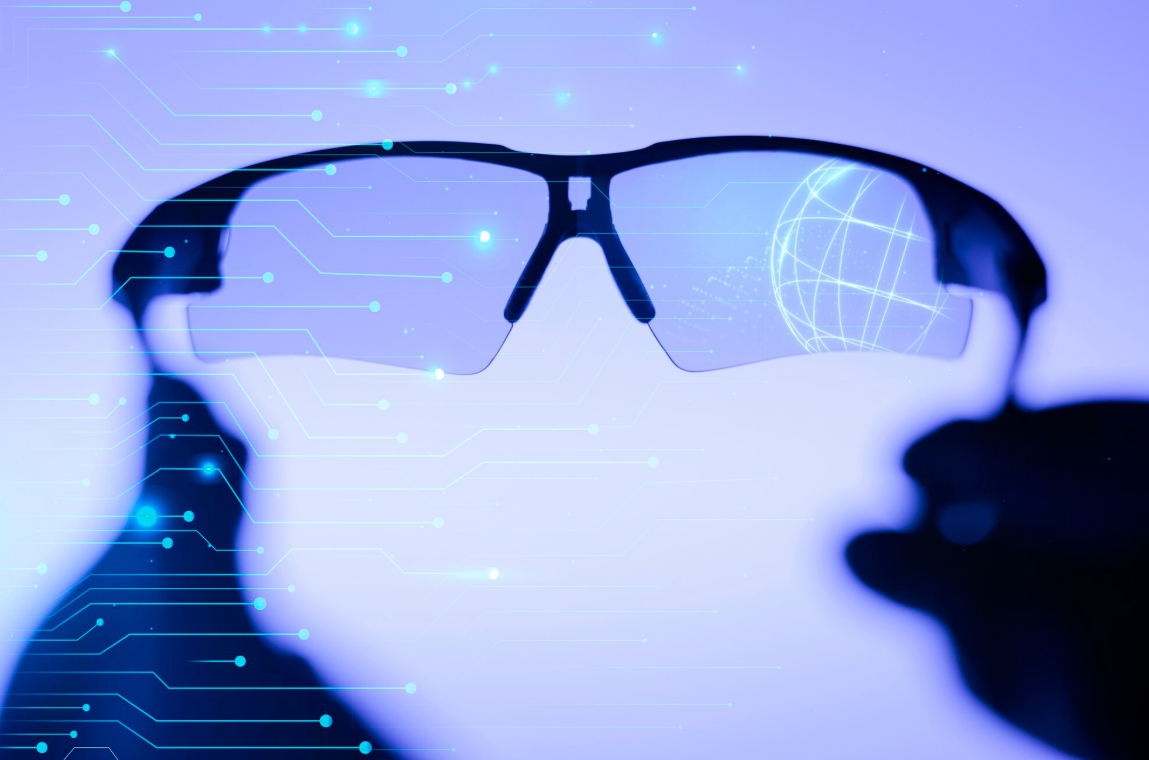
Modern AI smart glasses — produced by brands including Meta, Rokid, and a growing number of Chinese manufacturers — are equipped with cameras, microphones, and connections to large language models. When a student wearing a pair looks at a printed exam question, the glasses can photograph it, send it to an AI system for analysis, and display the answer directly on a small lens screen. The entire process is hands-free and, crucially, nearly invisible to anyone watching the room.
Unlike a smartphone, which requires a student to look down and physically interact with a device, smart glasses operate as a natural extension of the face. To most observers — including exam proctors who may not be familiar with the hardware — a student wearing AI glasses is indistinguishable from one wearing ordinary prescription frames.
Researchers at the Hong Kong University of Science and Technology recently connected Rokid glasses to an AI model and had a tester use them during a class exam. The tester scored in the top five in a class of over 100 students. The same research group is now developing tools to help educators detect AI glasses in exam environments.
The Rental Market
A report by Rest of World documented specific cases in China where the practice has moved beyond individual use into informal rental arrangements. One university student described using her Rokid AI glasses to cheat on exams and renting them to classmates for a fee. Rental costs for AI smart glasses have dropped to between $6 and $12 per day in some markets, putting access within reach of a wide range of students.
China’s smart glasses market is expanding rapidly, with around 2.5 million pairs shipped domestically in 2025 alone. The Chinese government has included smart glasses in a national subsidy program, further driving down effective costs. Domestic tech companies including Xiaomi, Alibaba, and Li Auto have all launched models in the past year. Priced between $270 and over $1,000 new, rental arrangements make the technology accessible to students who cannot afford to buy their own pair.
Major high-stakes exams in China — including the national college entrance examination and civil service tests — have explicitly banned smart glasses. But students and the Rest of World report note that in regular school and university exams, most teachers do not recognize the devices when they see them.
How Institutions Are Responding
In the United States, the College Board — which administers the SAT — preemptively banned smart glasses starting in spring 2026. The rule covers all smart glasses, including prescription versions, with students required to remove them or reschedule their exam. Proctors are being trained to identify the devices, though experts note this is harder than it sounds. Many AI smart glasses are designed to look like ordinary eyewear and do not display obvious indicators of their capabilities.
India’s University Grants Commission issued guidelines in 2025 recommending that exam centers deploy radio frequency signal detectors and ban all electronic eyewear. Some institutions have reintroduced handwritten, in-person exams as a response to AI cheating concerns more broadly — a trend reflected in rising sales of traditional exam booklets at U.S. universities, with some campuses reporting increases of 50 to 80 percent.
Enforcement, however, remains inconsistent. Experts point out that current detection methods focus on visible hardware, but the technology is developing faster than institutions can keep up. Researchers warn that the next generation of threats — including AI-enabled earbuds and, further out, smart contact lenses — will be even harder to identify and regulate.
The Bigger Question
The smart glasses cheating trend sits within a broader, unresolved debate about AI and academic integrity. From AI chatbots completing written assignments to real-time exam assistance through wearable hardware, institutions around the world are grappling with how to define — and enforce — the boundaries of independent work in an era when AI assistance is ambient, affordable, and nearly invisible. How education systems adapt to that reality is a question that goes well beyond any single exam room.