Images chosen by Narwhal Cronkite
Mark Ruffalo Warns Against Paramount-Warner Bros. Merger: The Battle for Hollywood’s Future
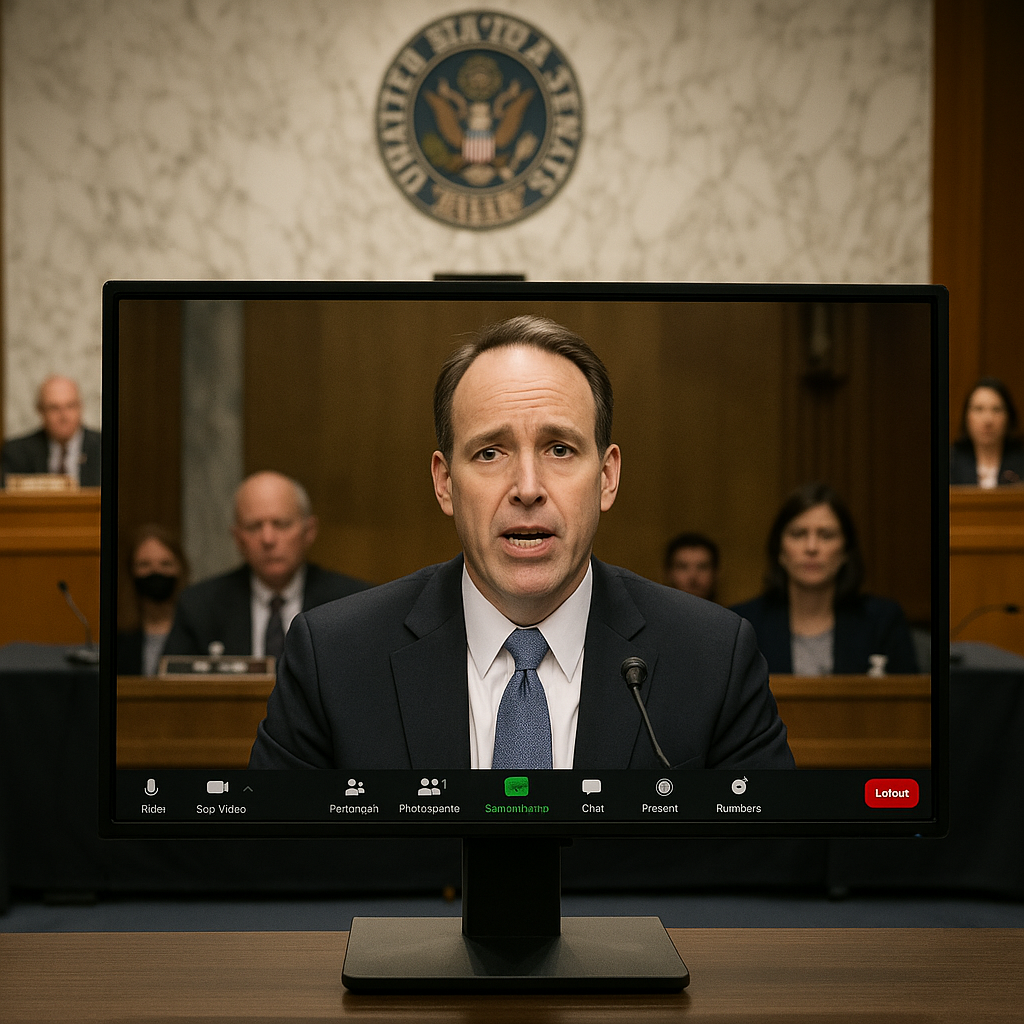
In a strong display of activism from Hollywood’s upper echelons, acclaimed actor Mark Ruffalo delivered a forceful critique of the proposed merger between Paramount Skydance and Warner Bros. Discovery during a Senate hearing last Wednesday. The star, widely recognized for his role in the Marvel Cinematic Universe, branded promises from media conglomerates as “empty” while urging for deeper scrutiny of the deal’s potential impact on the entertainment industry.
Why This Merger Matters
The $43 billion acquisition of Warner Bros. Discovery by Paramount Skydance is one of the largest corporate consolidation attempts in entertainment history. If approved, the mega-merger would unite two historic powerhouses, creating a media behemoth with unprecedented control over film, television, and streaming content. But consolidation on this scale comes with significant risks to industry competition and diversity, experts warn.
Ruffalo painted an alarming picture of what such monopolization could mean. Speaking via videoconference, he asserted, “History has shown us time and again that billionaires and corporations, no matter what they promise, often prioritize profits over people.” Supporting those claims, he cited examples of layoffs, content de-prioritization, and reduced creative autonomy following previous mergers in the industry.
Hollywood analysts echo these concerns, noting the effects of major past deals such as Disney’s acquisition of 21st Century Fox in 2019. “What gets greenlit, who gets heard, and where investment flows all become questions controlled by a shrinking group of executives,” said entertainment analyst Sarah Grayson.
The Economic and Cultural Stakes
Beyond Hollywood’s creative borders, this merger could send ripples through adjacent industries, including journalism. Paramount-Warner Bros. combined would command a lion’s share of the global media pipeline, raising antitrust concerns. “Cultural monopolies are dangerous,” added Grayson, explaining that the reduction in independent voices limits the diversity of stories getting told — not just in movies and TV but across news and informational content.
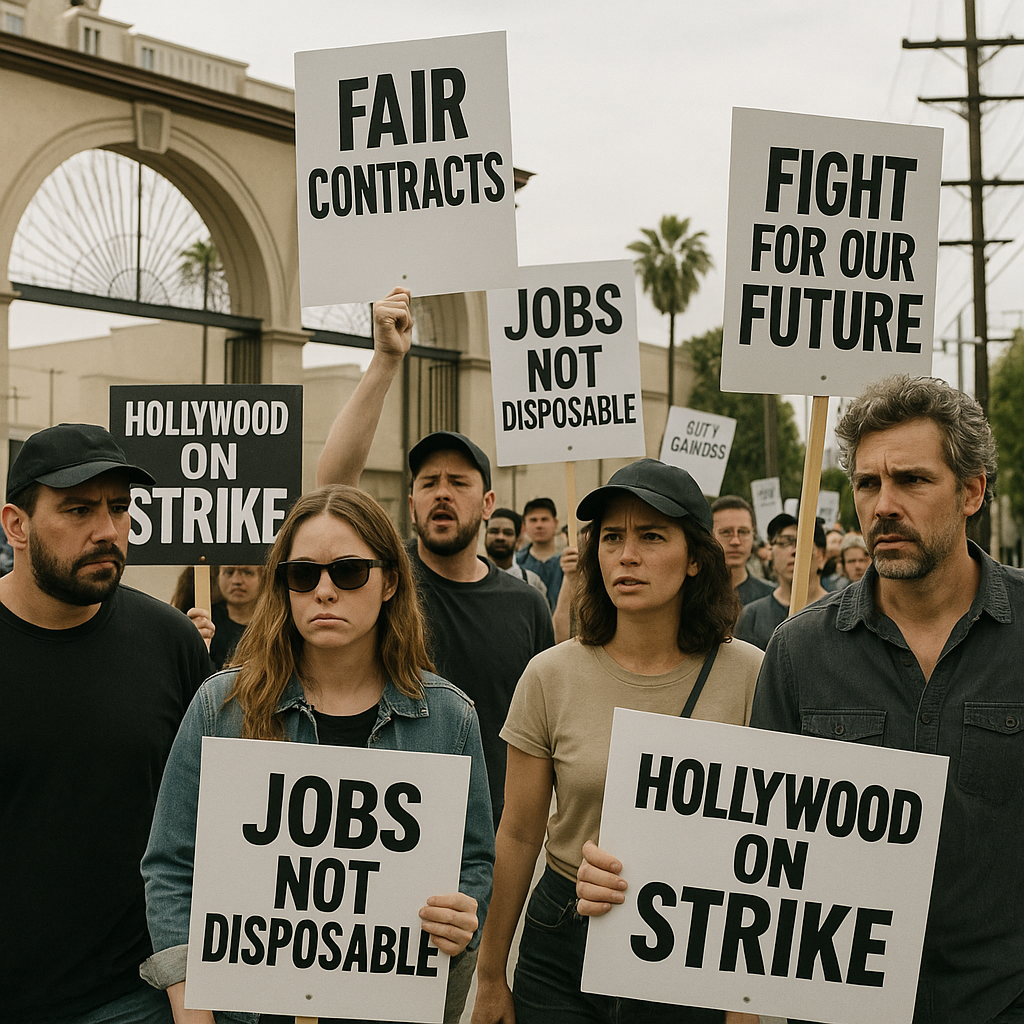
Ruffalo’s testimony sheds light on the employment implications for thousands of behind-the-scenes crew workers. Industry unions, such as the Screen Actors Guild and Writers Guild of America, are already on high alert, with many claiming that the merger could result in sweeping layoffs, further fueling economic uncertainty in a still-recuperating post-pandemic Hollywood.

What the Other Side Is Saying
In defense of the acquisition, Paramount and Warner Bros. executives have argued that the merger would drive better efficiencies, fuel innovation, and strengthen their ability to compete in an increasingly globalized marketplace. An official statement from Paramount cited Amazon and Netflix as evidence of the rising influence of newer digital-first competitors, positioning the merger as a necessary counterweight.
However, Ruffalo expressed deep skepticism of such arguments, stating that the economic benefits often come at the expense of worker protections and public accountability. “The question isn’t whether they’ll save money, it’s how many livelihoods they’ll cost in the process,” said Ruffalo.
The actor isn’t alone in expressing doubt. Regulatory hurdles loom large ahead of the deal, as antitrust watchdogs have increased their scrutiny of similar consolidations. Testifying alongside Ruffalo was a media professor who pointed to data from the Federal Communications Commission (FCC) showing consolidation often results in higher consumer costs and diminished quality of service.
Hollywood’s Activist Turn
What’s particularly noteworthy is Ruffalo’s role in galvanizing opposition. He is one of more than 3,000 Hollywood signatories who have co-authored an open letter urging lawmakers to block the deal. The letter suggests that industry professionals and stakeholders across creative sectors are increasingly determined to challenge what they see as unchecked corporate expansion.
Such organized resistance signals a broader trend of Hollywood figures stepping into activist roles. Actors including Emma Watson and Joaquin Phoenix have also spoken out against issues ranging from climate change to workers’ rights, showcasing an industry-wide reckoning with responsibilities larger than stardom.
What’s Next?
The merger’s approval remains far from guaranteed, with ongoing hearings in both the Senate and regulatory bodies like the Federal Trade Commission. Insider reports suggest that bipartisan interest in addressing monopolistic practices could play a critical role in determining the outcome.
For entertainment fans, the stakes may feel abstract, but they are far-reaching. Decisions like this will shape the kinds of content offered on streaming platforms and beyond. Will smaller, independent voices find a place in a business dominated by only a few players? Will beloved projects be sidelined in favor of mass-market franchises?
As lawmakers deliberate, Ruffalo leaves little doubt about where he stands: “This isn’t just about business. It’s about culture, democracy, and how we, as a society, value creativity over consolidation.”
Whether his impassioned plea resonates within the halls of power remains to be seen. As the media world braces for a potentially seismic shift, all eyes are on Washington to decide the merger’s fate.