Images chosen by Narwhal Cronkite
UK Transfers $1 Billion in Frozen Russian Assets to Ukraine: A Strategic Move with Global Implications
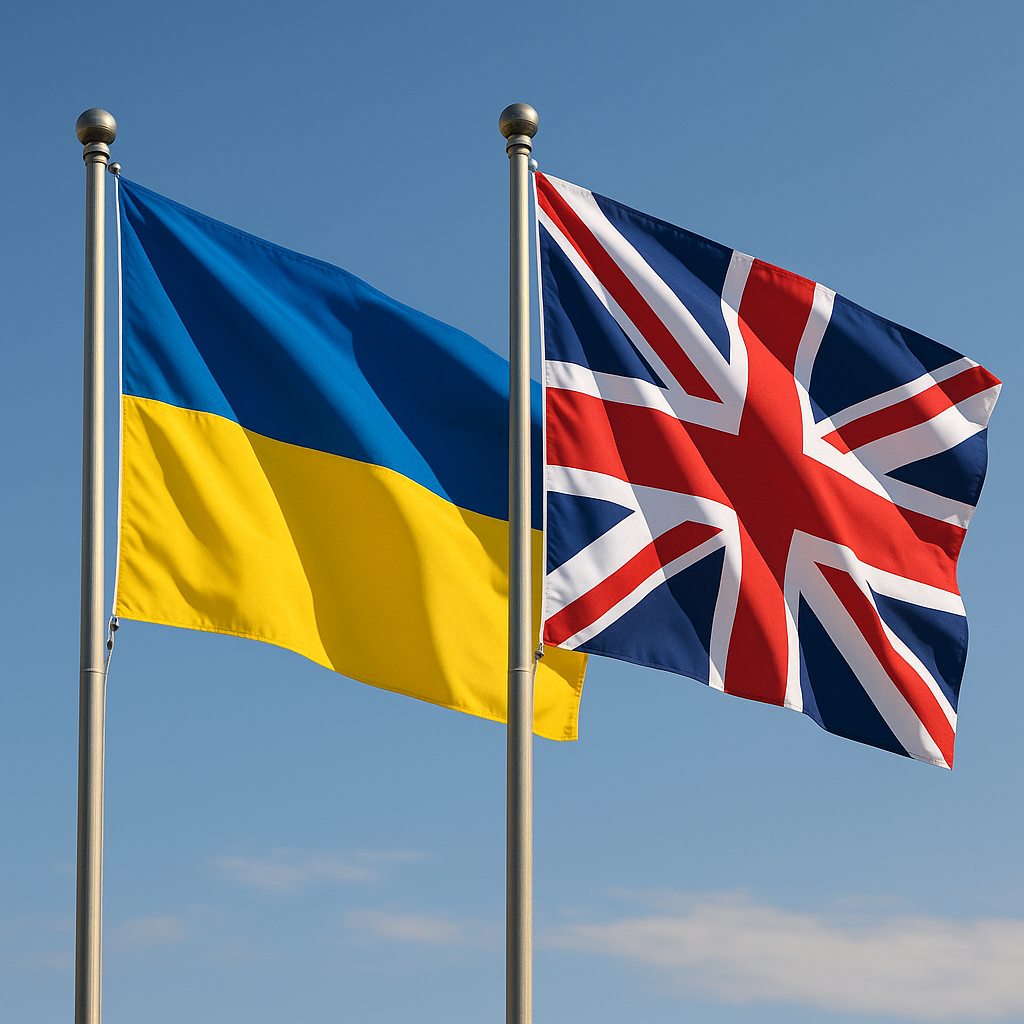
The United Kingdom has made a bold and unprecedented move, transferring approximately $1 billion in frozen Russian assets to Ukraine’s budget as part of the ongoing international effort to support Kyiv’s defense during the fifth year of the Russia-Ukraine war. This financial action, conducted under the Group of Seven’s (G7) Extraordinary Revenue Acceleration for Ukraine (ERA) initiative, signifies not only a strengthening of UK-Ukraine relations but also a novel approach to repurposing frozen sovereign assets in wartime. By analyzing the strategic, economic, and legal implications of this transfer, we uncover how this maneuver fits into broader geopolitical trends.
Repurposing Frozen Russian Assets: A Historic Precedent
The decision to utilize frozen Russian sovereign assets for Ukraine’s defense is a watershed moment in international financial policy. According to Ukraine’s Finance Ministry, the latest tranche of £752 million forms part of a larger £2.26 billion agreement between the UK and Ukraine. Since Russia’s full-scale invasion in 2022, G7 member states have frozen approximately $300 billion in Russian sovereign assets. This move aims to redistribute wealth used as a tool of aggression back toward efforts to counteract that aggression.
Historically, frozen assets have rarely been leveraged in such a systematic and targeted fashion. Previous instances involved isolated payments to resolve issues like international seizures or reparations but not as part of an ongoing economic support system. According to experts, this approach could set a precedent for addressing other international conflicts using seized resources. On one hand, it demonstrates unity among Western allies in countering Russian hostility. On the other, it tests the limits of international law governing the redistribution of frozen sovereign funds.
The UK’s Role in Supporting Ukraine
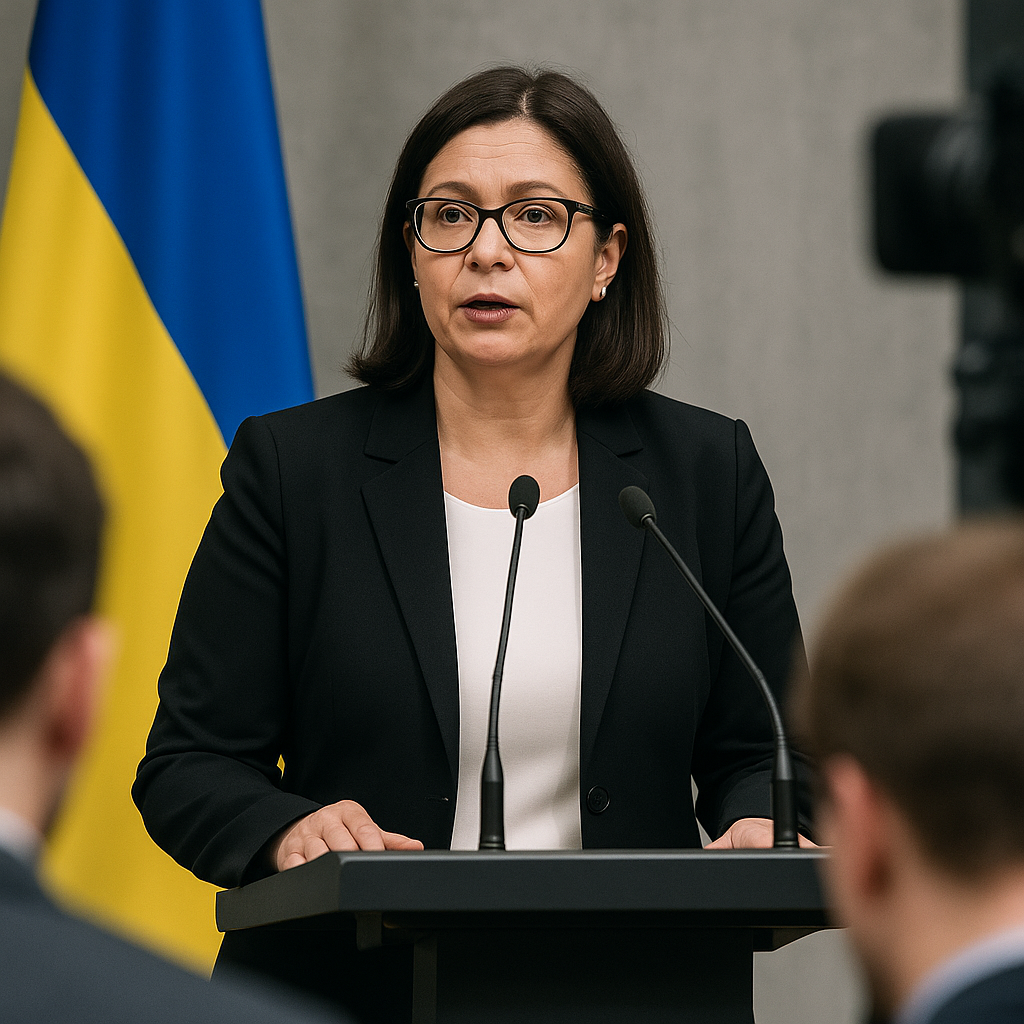
The UK has emerged as a key player in Ukraine’s fight for sovereignty. Since the early days of the invasion, Britain has extended military aid, humanitarian assistance, and financial packages to the war-torn nation. Finance Minister Serhiy Marchenko commented, “I am grateful to the Government of the United Kingdom for its consistent and resolute support for Ukraine in countering Russian aggression. The funding provided is targeted and will be directed to meeting the priority needs of the security and defense sector.”
The $1 billion transfer is a testament to the long-standing collaboration between the two nations but also raises questions about the sustainability of such aid. Recent estimates suggest that rebuilding Ukraine’s infrastructure—damaged extensively by prolonged warfare—will cost hundreds of billions of dollars. Industry observers argue that scaling up international contributions, like the ERA initiative, along with private investments, could be pivotal.
Legal and Ethical Considerations
While the strategic necessity of transferring frozen assets to Ukraine is clear to its advocates, questions linger about its legal and ethical dimensions. International law traditionally views sovereign assets as protected property, even under frozen conditions. Critics point out that repurposing assets—especially on this scale—could challenge the established norms surrounding state immunity and financial rights.
Instances such as the Tether and USDC controversies in the cryptocurrency arena (reported by Gizmodo and CryptoSlate) emphasize how freezing and utilizing assets can open new avenues for scrutiny. Similar ethical debates emerge in the crypto world when stablecoin companies exercise inconsistent freeze powers. Could the UK’s transfer set a precedent that might influence asset freezing mechanisms in sectors beyond traditional finance?
However, proponents argue that the moral necessity to support Ukraine outweighs conventional interpretations of financial statutes. “In cases of unjust war, sovereign assets tied to aggressors should support victims, not sit idle,” said an international trade analyst on condition of anonymity.
Global Ripple Effects
The G7’s ERA initiative, which uses frozen Russian assets to fund Ukraine and repay loans, represents an innovative tool in the international toolkit for crisis response. With commitments totaling $50 billion, the program aligns financial recovery plans with immediate defensive needs in conflict zones. As geopolitical alliances evolve, analysts are left wondering whether such frameworks might be extended to other global hotspots requiring rapid intervention.
Most importantly, the consequences of such asset redistribution will likely provoke reactions from countries outside the G7. Russia will undoubtedly denounce such measures as theft, possibly inspiring countermeasures against Western financial systems. Nations with precarious relationships with the West—such as China and Iran—may begin fortifying their international reserves or shifting their holdings into alternate financial systems, such as cryptocurrencies or gold.
Moreover, emerging markets might find themselves drawn into whether to align with Western liberal internationalism or explore alternative financial cooperation. This dynamic increases risk but also creates opportunities for collaboration among like-minded nations looking to stabilize volatile regions.
What’s Next?
The UK’s transfer of $1 billion in frozen Russian assets to Ukraine prompts further questions about the future. Will other G7 nations increase their contributions to Ukraine through similar schemes? Could this bold financial strategy lead to clearer global frameworks for handling frozen sovereign assets during wartime?
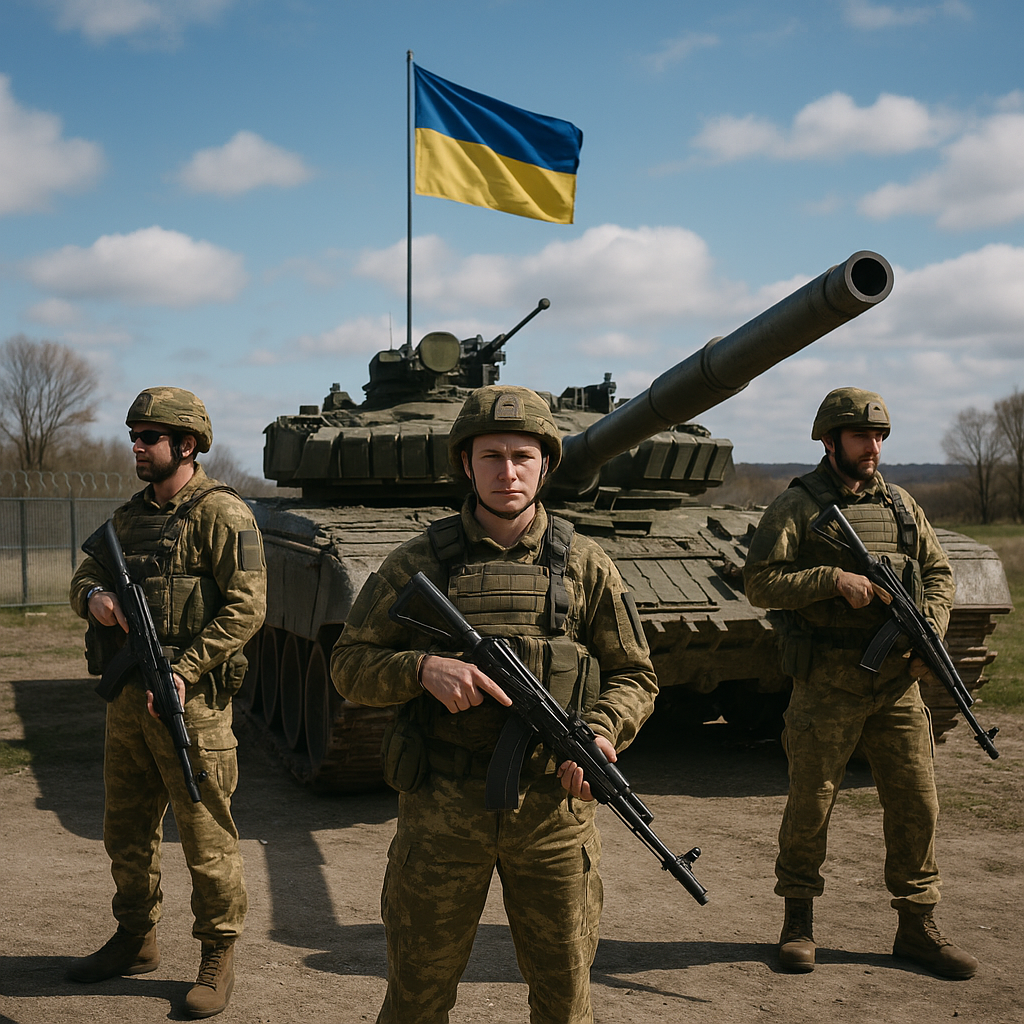
One critical area to watch is how these funds are deployed within Ukraine. According to the Kyiv Post, Ukraine has unveiled new, innovative military units such as drone assault teams combining aerial and ground warfare. Investments in advanced technological warfare signify a shift away from traditional combat paradigms while maintaining urgency based on immediate needs. These developments may determine the effectiveness of external aid in ensuring Ukraine’s long-term survival.
The broader implications of redirecting frozen assets establish a crucial precedent in reshaping geopolitical finances. While challenges remain in defining legal and ethical boundaries, the urgency of this moment is undeniable. This transfer of wealth not only symbolizes solidarity with Ukraine but underscores a growing shift in how the global economy supports nations under siege.