Images chosen by Narwhal Cronkite
Benjamin Netanyahu Treated for Early-Stage Prostate Cancer
In a revealing announcement, Israeli Prime Minister Benjamin Netanyahu disclosed that he recently underwent successful treatment for early-stage prostate cancer. The health update, closely tied to his annual medical report, comes amidst an already challenging political landscape for the long-serving leader. Netanyahu, 76, expressed confidence in his recovery, stating that the treatment “removed the problem and left no trace of it.”
This development sheds light on an often-overlooked aspect of leadership: managing personal health while navigating extreme political and diplomatic pressures. Beyond the immediate medical implications, the announcement offers deeper insights into how leaders balance their well-being with responsibilities of governance.

Proactive Health Monitoring and Leadership
Netanyahu’s approach to handling his prostate cancer diagnosis provides a glimpse into the importance of proactive health monitoring, particularly for public figures who operate under intense scrutiny. According to his statement, the malignant tumor was identified during routine check-ups following prior surgery for an enlarged benign prostate in 2024. In his words, “When I’m given information in time about a potential danger, I want to address it immediately.”
The key takeaway here is clear: early detection and timely action are critical, not only in healthcare but also in leadership. This dual focus on prevention—be it personal or national—is emblematic of Netanyahu’s leadership philosophy. Observers have noted that the Prime Minister’s emphasis on preemptive action mirrors Israel’s broader security strategy, a nation deeply steeped in addressing external threats before they escalate.
With prostate cancer being one of the most commonly diagnosed malignancies in men worldwide, Netanyhu’s case also serves as a sobering reminder for others. Medical professionals often stress the importance of regular check-ups for individuals over the age of 50, particularly given that early-stage prostate cancer is highly treatable.

A Leader’s Health Amid Political Turmoil
The timing of Netanyahu’s announcement is particularly noteworthy. He acknowledged that he had requested a delay in releasing information about his diagnosis and treatment during a critical juncture in Israel’s geopolitical landscape. This was, in his words, to prevent “even more false propaganda against Israel” by foreign adversaries such as Iran.
Netanyahu’s ongoing tenure has been marked by high-stakes diplomacy, particularly in navigating relations between Israel and Iran. In recent weeks, Israel extended its ceasefire agreement with Lebanon following tensions involving Iran-backed Hezbollah. Additionally, the Prime Minister is preparing for a crucial visit to the White House to discuss long-term peace deals in the region.
While Netanyahu’s health scare is unlikely to significantly alter his political trajectory, it does highlight the human dimension of leadership during times of crisis. The balancing act between private struggles and public responsibilities shines a light on the resilience expected of world leaders. However, it also raises ethical questions about when personal disclosures should intersect with public interest, particularly for leaders vested with critical decision-making power.
Comparative Context: Political Leaders and Transparency
Netanyahu is far from the only world leader to address health challenges while in office. Transparency about medical conditions varies widely among nations and leaders. For instance, former U.S. President Joe Biden has frequently shared detailed reports about his health with the public, while some other leaders have opted for a more opaque approach. Striking the right balance often hinges on cultural expectations, public scrutiny, and the political stakes involved.
According to RT, Netanyahu’s strategic concealment of his health challenges during the conflict underscores the highly calculated nature of his leadership. Critics, however, contend that such opacity might set a tricky precedent for transparency in governance. As health increasingly intersects with politics, the narrative around Netanyahu’s disclosure—delayed though it was—will likely continue to shape public discourse on accountability.
Implications for Israel and the Middle East
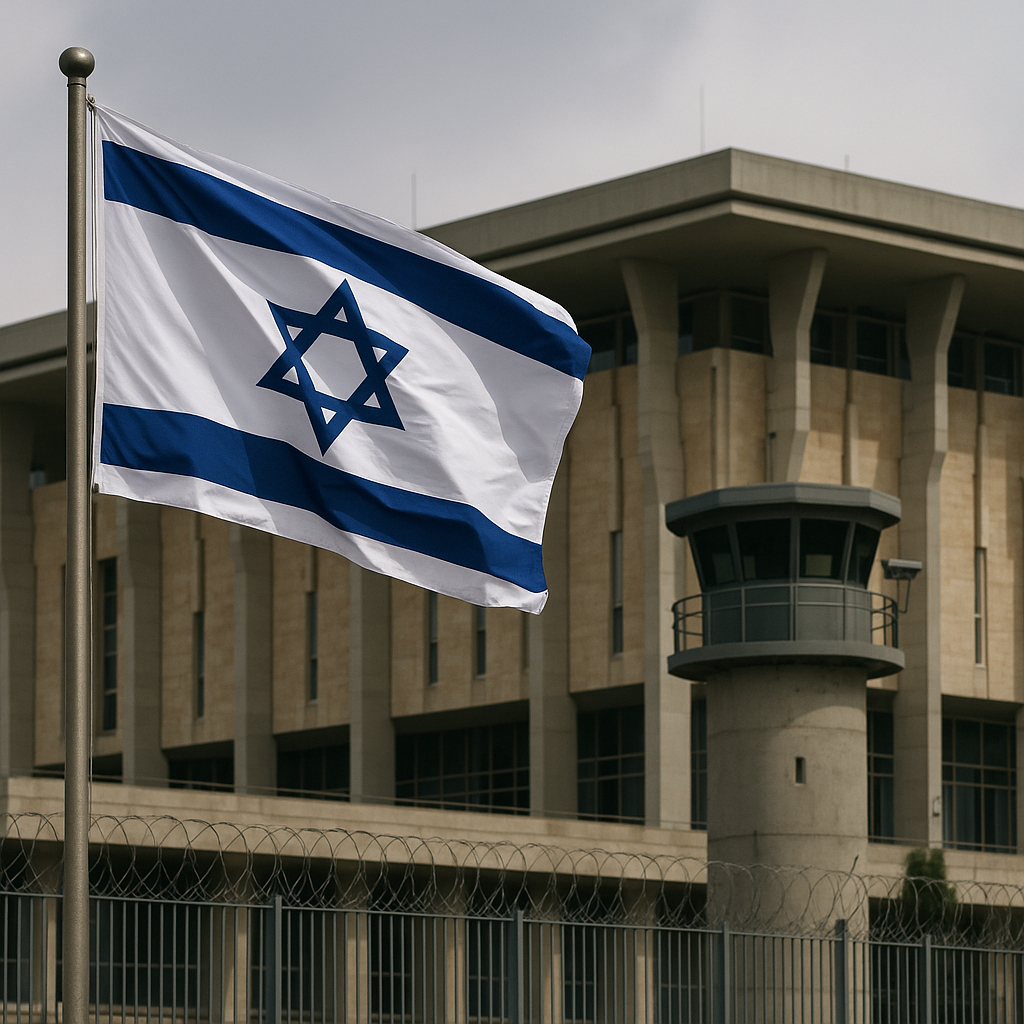
Netanyahu’s treatment coincides with an already turbulent chapter in Israeli politics and geopolitics. Domestically, his government faces criticism from multiple quarters, grappling with contentious issues like settlement expansion in disputed territories and escalating tensions with neighboring Lebanon.
The international dimension looms equally large. As reported by Al Jazeera, the specter of Iran’s nuclear ambitions and its influence over aligned groups like Hezbollah continues to dominate Israel’s strategic priorities. Netanyahu’s wellness, therefore, carries more than personal significance—it has implications for regional stability, ongoing ceasefire arrangements, and sensitive negotiations with global powers.
Amid these challenges, maintaining continuity in leadership remains critical for Israel. Analysts have suggested that Netanyahu’s decision to promptly treat his health issue is indicative of his broader commitment to staying at the helm during these pivotal times.
What to Watch For
As Benjamin Netanyahu prepares for his upcoming visit to the White House, observers will closely track both his health and political maneuvering. Key areas to monitor include the progress of ceasefire agreements with Lebanon, developments in Israel-Iran relations, and potential shifts in U.S.-Israel partnerships under ongoing negotiations.
The Prime Minister’s recovery also opens up opportunities for broader discussions about health transparency among world leaders. Prostate cancer advocacy groups, for instance, may leverage this moment to promote awareness campaigns centered on early detection and treatment, spotlighting Netanyahu’s case as an example of the importance of medical vigilance.
Ultimately, while Netanyahu’s medical issue appears resolved for now, it serves as a timely reminder of the human vulnerabilities that underlie even the most powerful offices. In a world where leadership often hinges on perception, moments like these encourage public figures—and the public itself—to reflect on the intersection of personal health and collective responsibility.
The eyes of the region, and indeed the world, will remain firmly fixed on both Netanyahu’s next steps and the evolving landscape of Middle Eastern politics.