Images chosen by Narwhal Cronkite
US Bypasses Congressional Review for $8.6 Billion Military Sales to Middle East Allies
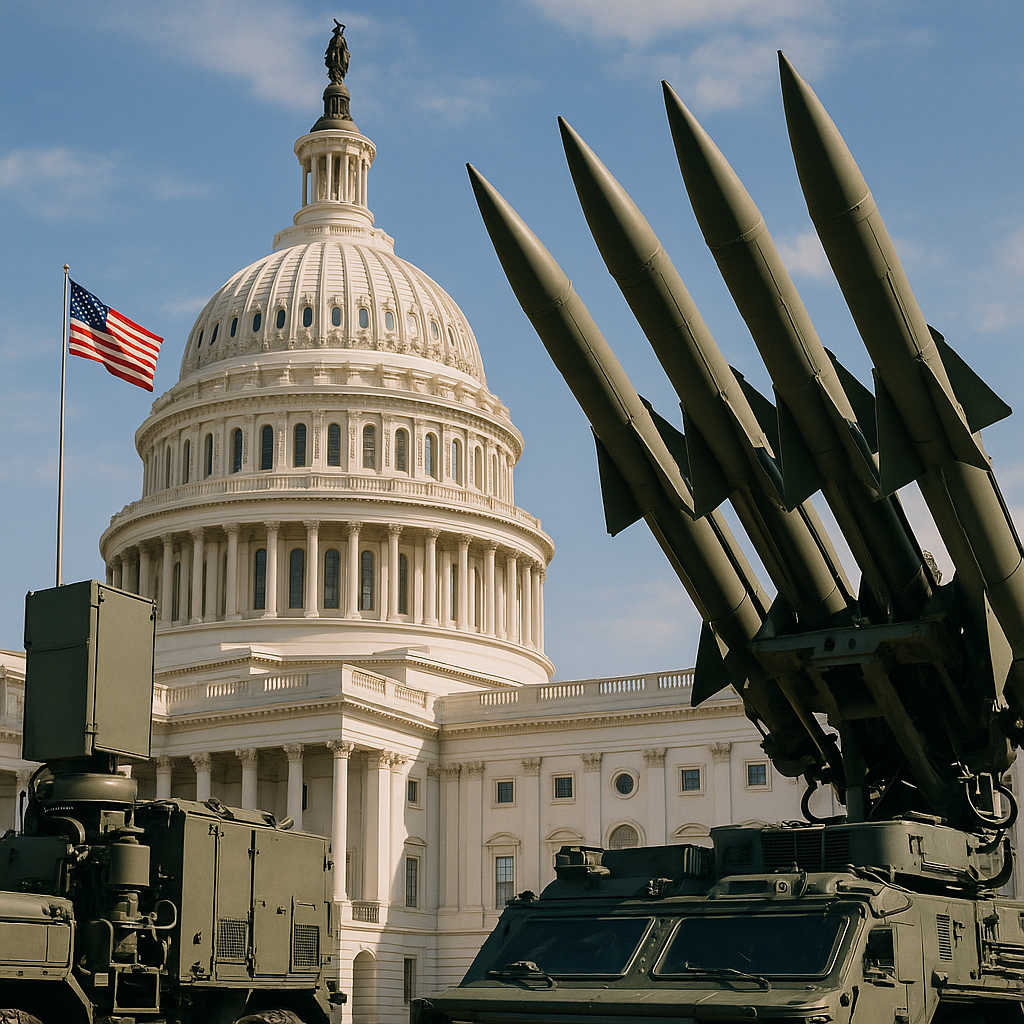
The United States has expedited $8.6 billion in military sales to allies in the Middle East, bypassing congressional review under provisions that allow emergency action. This decision, made by Secretary of State Marco Rubio, has raised questions about its implications for regional security, geopolitics, and legislative oversight in arms sales policies.
Expediting Arms Sales Under Emergency Provisions
At the heart of the issue lies the State Department’s recent invocation of emergency provisions under U.S. law, which enable the administration to circumvent congressional scrutiny for certain arms sales. According to Reuters, Secretary Rubio justified the move by citing an immediate need for these military assets in support of key regional allies. Though the specific countries were not identified, past sales under similar circumstances suggest recipients may include Saudi Arabia, the United Arab Emirates, and other Gulf nations grappling with security threats.
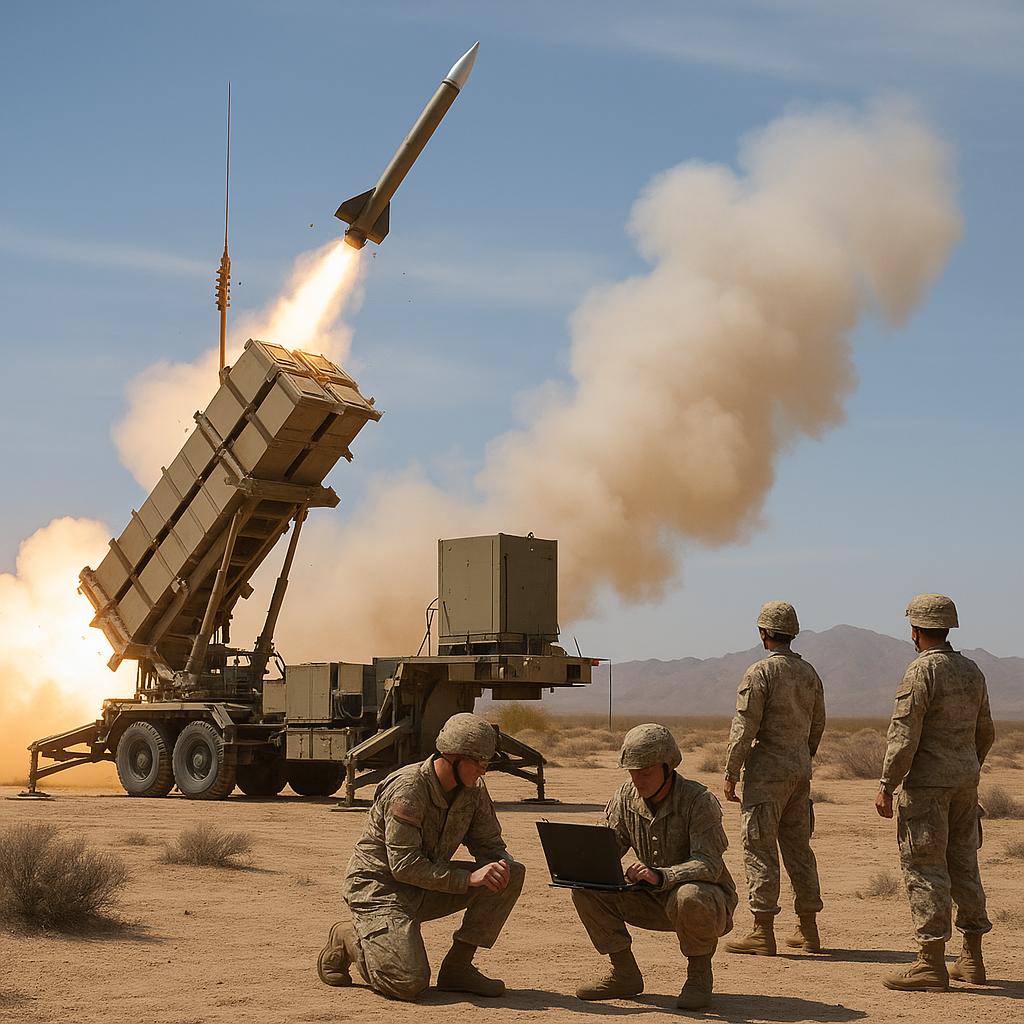
One of the key systems involved in this transaction is Lockheed Martin’s Patriot Advanced Capability 3 (PAC-3) Missile Segment Enhancement system, a critical air defense platform. “Given the volatile security climate in the region, these assets are vital for boosting our allies’ defensive capabilities,” argued one defense analyst familiar with the deal.
Balancing Regional Security With Congressional Oversight
The decision to bypass congressional review is gaining attention not just for its practical implications but also for the legal and ethical questions it raises. Arms sales are traditionally subject to a 30-day review period during which lawmakers assess their strategic necessity and alignment with U.S. foreign policy goals. Critics argue that sidestepping this process undermines the checks and balances central to democratic policymaking.
From a regional perspective, however, the urgency underpinning this sale may reflect escalating security threats. “We’re seeing increasing sophistication in missile and drone attacks targeting Gulf states and other U.S.-aligned nations in the region,” noted Jane Thompson, a senior researcher at the Center for Strategic and International Studies. “Investing in systems like the PAC-3 gives these nations a technological edge to mitigate those threats.”
Geopolitical Ramifications of Accelerated Military Aid
This latest arms sale also casts new light on the U.S. strategy in the Middle East, particularly concerning its relationships with Gulf allies. Historically, arms deals have been a tool of diplomacy, designed to strengthen alliances and deter adversarial forces. Some analysts suggest the acceleration of these agreements signals an evolving U.S. approach in response to shifting dynamics, including growing Russian and Chinese influence in the region.
However, the move could also complicate U.S. relations with countries that challenge arms sales on human rights grounds. Analyzing similar cases reported by The Washington Post, critics argue that unregulated arms transfers risk enabling proxy conflicts, particularly in nations like Yemen, where military assets have raised concerns about civilian casualties.

How Will This Shift Affect Arms Sales Policies?
The broader implications of bypassing congressional review could extend far beyond the immediate beneficiaries of these arms sales. For one, it raises important questions about transparency and accountability in future arms deals. With the global defense market steadily growing, calls for greater oversight in these transactions are likely to intensify.
“By exercising emergency provisions repeatedly, the U.S. risks normalizing these exceptions as routine practice rather than limited measures,” warned Samuel Greenfield, a policy expert specialized in arms control. This could open the door to fewer checks on arms exports, heightening concerns among lawmakers and advocacy groups alike.
What to Watch for Next
Given the scale and urgency of these sales, observers will be closely monitoring both regional security outcomes and the U.S. legislative reaction. Key questions center around whether Congress might pursue reforms to prevent further circumvention of its oversight responsibilities. Additionally, attention will remain on recipient nations’ use of these systems, with human rights organizations watching closely for potential misuse in conflict zones.
The greater challenge, however, may lie in balancing U.S. strategic interests with domestic and international scrutiny over arms deals. As global tensions rise, the need for transparent and accountable governance of such transactions becomes all the more urgent.
Stay updated as we continue to track developments surrounding this pivotal sale and its wider consequences.