Images chosen by Narwhal Cronkite
Russia Has Lost More Than 350,000 Soldiers, New Estimate Finds
The ongoing war between Russia and Ukraine has claimed a staggering human toll, with recent analyses suggesting that Russia has lost over 350,000 soldiers since the conflict began. As the violence drags into yet another tumultuous year, this figure underscores the cost of a conflict that continues to reshape the global geopolitical landscape.
A Sobering Milestone: A Death Toll in Focus
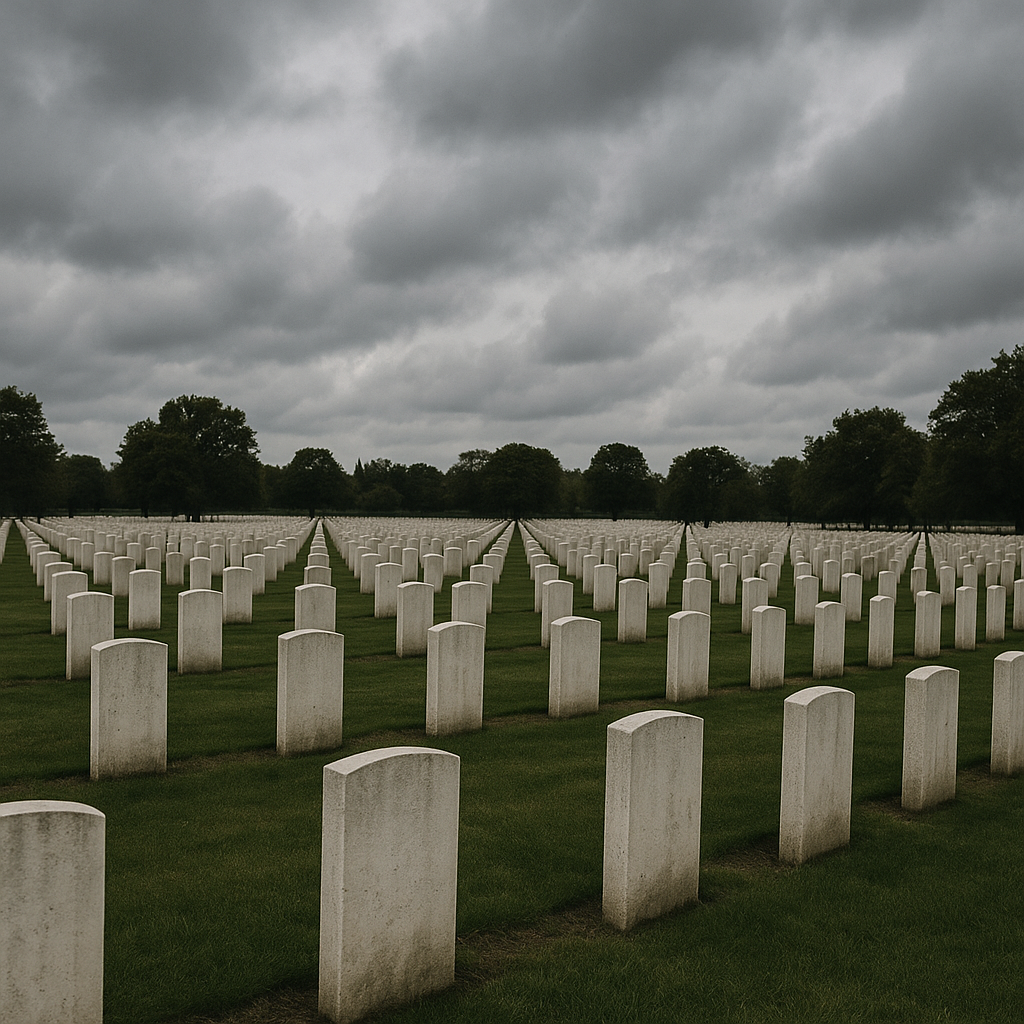
According to reporting by The New York Times, the death toll includes those killed on the battlefield as well as operational casualties from illnesses, accidents, and other causes. These numbers, while staggering on their own, also represent a deeper issue: the grinding nature of the war and its impact on Russian society. Despite this, Moscow has shown no signs of letting up in its military campaign.
Experts have pointed out that such high loss estimates highlight the attritional nature of the conflict. A recent report from the Institute for the Study of War (ISW), cited by Al Jazeera, suggests that Russia’s advances in Ukraine may have slowed significantly, with over 35,000 Russian soldiers lost in just the month of April. This rate of casualties speaks to the heavy human cost of ongoing military operations in contested areas.
Interestingly, the report emerged just one day before the Victory Day parade held on Moscow’s Red Square under tight security. As reported by NPR, Russian President Vladimir Putin attended the celebration alongside foreign dignitaries. The parade, meant to symbolize Russia’s strength and historical military victories, came under a shadow of losses stemming from the ongoing war.
Mounting Pressures on the Russian Military
The number of Russian soldiers killed or wounded has prompted growing reports of discontent and desertion within the ranks. According to another Al Jazeera article, Russian troops have increasingly sought ways to flee their assignments in the face of unrelenting violence, poor conditions, and a perceived lack of adequate training. “The morale has been crushed,” one military analyst noted, emphasizing that some units are reportedly operating at half-strength.
At the strategic level, experts are raising questions about the sustainability of Russia’s approach. “This war is being fought with a meat-grinder strategy,” observed a defense analyst. “The large-scale deployments are achieving short-term pushes, but at an irreversible cost to manpower and morale.”
The problem is compounded by widespread military conscriptions, which have triggered protests and forced thousands of Russian men to flee the country to avoid enlistment. A substantial brain drain and economic disruption have also plagued Russia as businesses contend with a shrinking labor force and sweeping international sanctions.
Ukraine’s Resilience: Shifting the War’s Momentum?
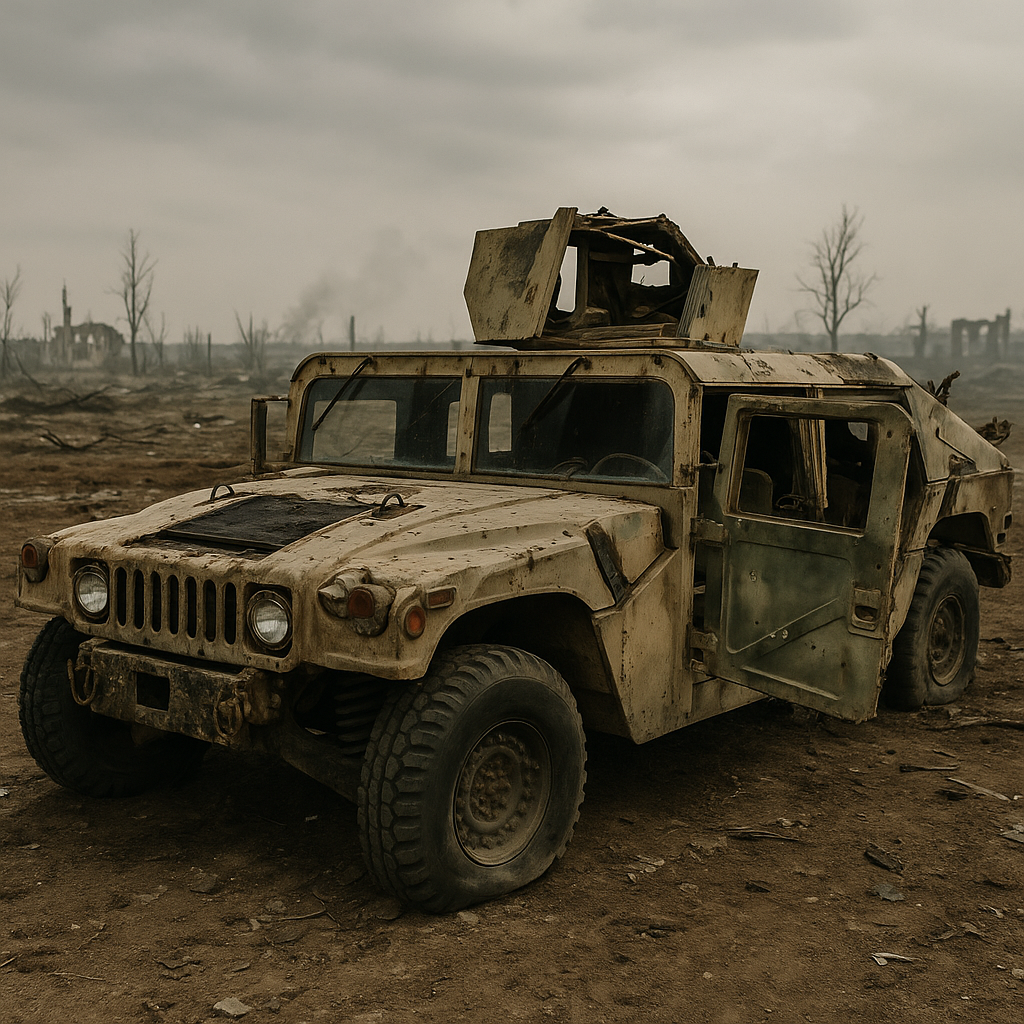
While Russia grapples with the consequences of its losses, Ukraine’s ability to mount a steady defense has reshaped the dynamics of the war. According to a recent Vox analysis, there is cautious optimism among international observers about Ukraine’s potential to turn the tide. Despite facing superior manpower and firepower, Ukrainian forces have utilized innovative strategies, Western-supplied weaponry, and local support to push back against Russian advances.
Ukrainian officials have also claimed that the morale of Russian troops is at an all-time low, making it easier to repel their attacks. President Donald Trump recently claimed that he proposed a short-term ceasefire to President Putin, citing the extensive loss of life on both sides. However, the broader question of long-term peace remains uncertain.
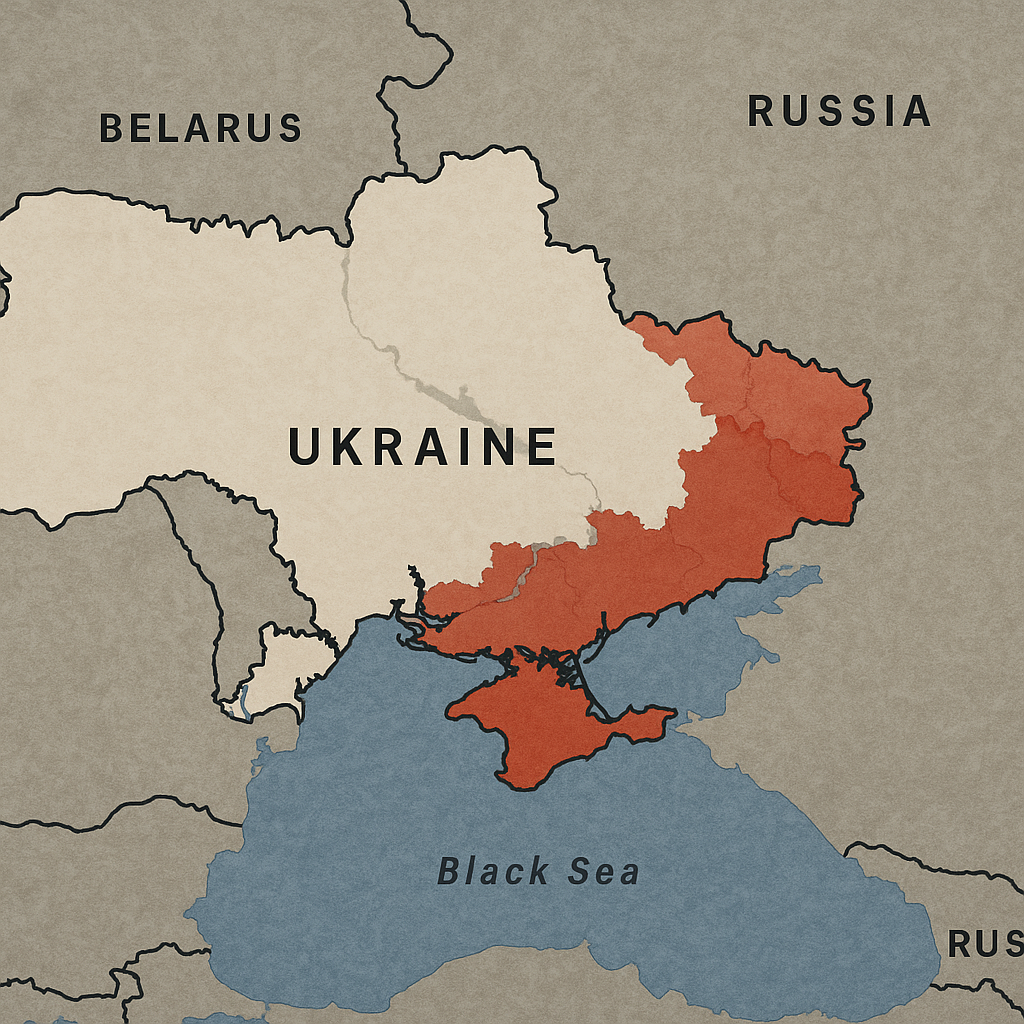
Victory in Ukraine’s eyes may not simply rest on reclaiming territory but ensuring their sovereignty is as protected as ever under the new geopolitical reality. With Russian losses mounting, Ukraine may see an opportunity to press its advantage during this critical phase of the war.
Global Implications of the Human Cost
The staggering death toll goes beyond the borders of Russia and Ukraine. The conflict has exacerbated global tensions, disrupted supply chains, and put additional pressure on already strained economies. As Slate observed, the conflict has also intersected with other geopolitical flashpoints, including the U.S.’s re-engagement with the Middle East due to escalating tensions with Iran.
Western nations have largely aligned with Ukraine, providing military and humanitarian aid while imposing economic sanctions on Russia. While these sanctions have heavily impacted Russia’s economy, questions remain about their effectiveness in altering Moscow’s calculations. At the same time, there have been growing concerns about escalating war-related costs and the possibility of prolonged conflict.
Meanwhile, nations historically allied with Russia have responded to the rising death tolls with caution. Some have pushed for increased diplomatic efforts, while others have publicly expressed support for Moscow’s actions. Notably, the Victory Day celebrations in Moscow saw the attendance of several international leaders, which NPR described as a show of limited, but visible, solidarity with Russia.
What Comes Next?
For Russia, the path forward is fraught with challenges. Observers point to the possibility of increased dissent within the country as families grapple with the loss of loved ones and the economic toll of the war. Domestically, the Kremlin faces mounting pressure to justify the human and financial cost of the conflict, especially as news of surging casualties increasingly filters through state-controlled media channels.
For Ukraine, this grim milestone serves as a reminder of their progress as well as the steep road ahead. Strategic wins against a dwindling but determined Russian force could bolster their position in any upcoming peace negotiations. However, Ukraine’s leadership must also contend with the physical and emotional toll the war has taken on its people and infrastructure.
Internationally, the latest figures may galvanize further dialogue on ending the conflict. The U.S.-brokered ceasefire currently in place offers a glimpse of what could be possible, but maintaining lasting peace will require pragmatic concessions and sustained negotiations. As the war enters this critical phase, the global community will need to weigh the toll of inaction against the risks of escalating tensions.
As the conflict between Russia and Ukraine continues to unfold, one thing is clear: the human cost is staggering, and the implications will reverberate for years to come. For policymakers and global leaders, the task at hand is to craft a solution that prioritizes peace while addressing the root causes of a war that has claimed too many lives already.
What to Watch for
Observers and analysts will be closely monitoring several factors as this crisis continues to evolve. Key areas include the durability of the U.S.-brokered ceasefire and whether it may pave the way for more durable peace talks. Additionally, attention will be paid to Russia’s internal dynamics, particularly signs of growing dissent or discontent among the population. Ukraine’s military progress is another critical factor, as every territorial gain could sway the outcome of future negotiations.
Perhaps most importantly, there are rising concerns about whether both sides, amid heavy losses, will finally see an endpoint to this devastating conflict—or if, tragically, the trajectory will point toward further escalation.
The world watches and waits, hoping the grim milestone of 350,000 deaths will catalyze a renewed push for peace.