Images chosen by Narwhal Cronkite
Tourist Accused of Hurting Endangered Monk Seal Faces Doxing and Threats
Amid the picturesque beaches of Maui, a disturbing incident has sparked outrage, legal battles, and a broader conversation about the complexities of wildlife protection and public accountability. Igor Lytvynchuk, a tourist from Washington state, is accused of throwing a rock at an endangered Hawaiian monk seal, which has led to backlash ranging from legal charges to threats and doxing. The case, while focused on a single act of alleged harassment, unveils deeper tensions surrounding conservation efforts, cultural misunderstandings, and the rise of vigilante justice on social media.
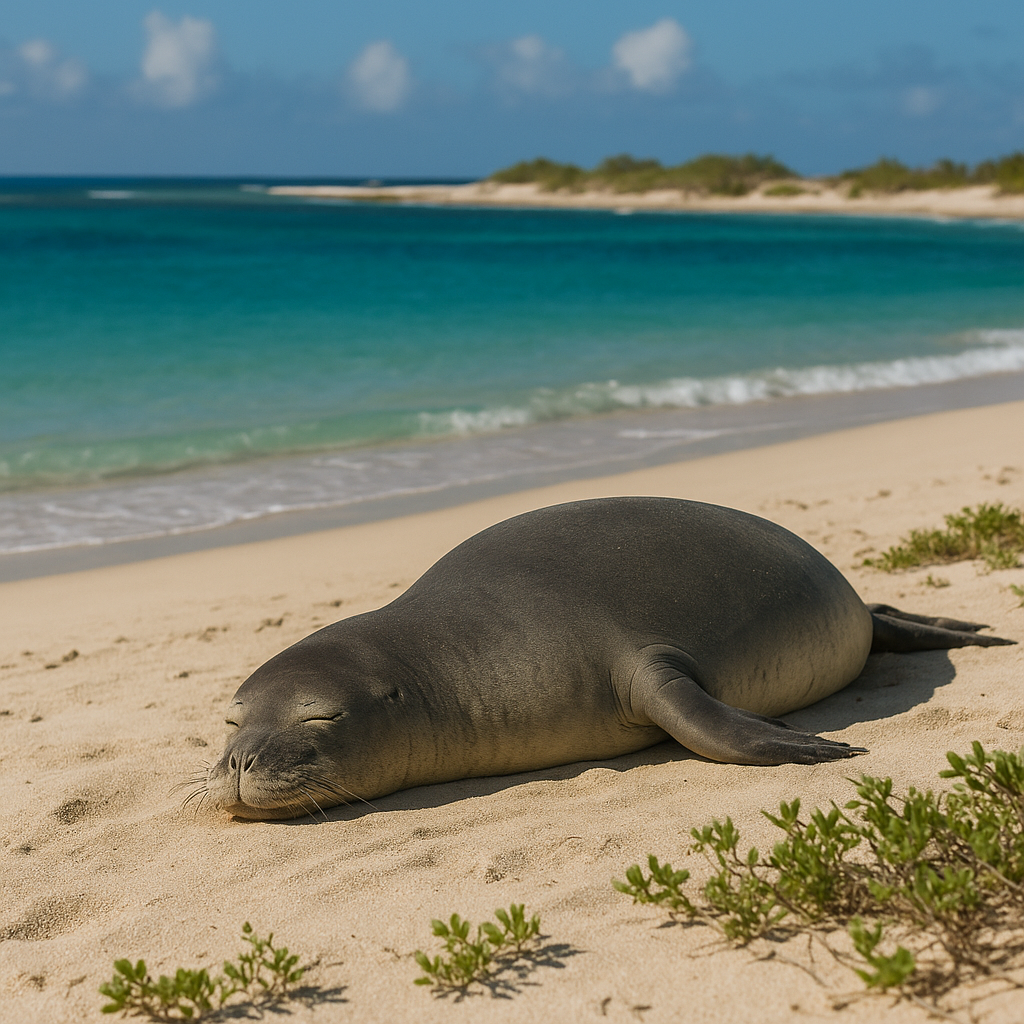
How It Started: The Incident and Allegations
A witness captured video footage earlier this month in Lahaina, Hawaii, showing Lytvynchuk on the shore as an adult male monk seal identified as “R404” swam in shallow waters. Prosecutors allege the video demonstrates Lytvynchuk throwing a coconut-sized rock at the monk seal, narrowly missing its head. Confronted by another witness, he reportedly brushed off the concerns, stating he was wealthy enough to pay any fines—a comment that added fuel to the public outrage.
Legal experts note that Lytvynchuk’s actions, if proven, constitute violations of both the Endangered Species Act and the Marine Mammal Protection Act. Hawaiian monk seals are among the most endangered marine mammals globally, with fewer than 1,500 remaining. They are federally protected, and any harassment carries significant penalties. However, Lytvynchuk’s defense attorney, Myles Breiner, argues that his client’s intentions were misunderstood.
According to Breiner, Lytvynchuk was trying to protect sea turtles—animals he is reportedly familiar with. Mistaking the monk seal for an aggressive sea lion, he claimed his actions were intended to deter the animal, not harm it. Breiner’s argument also pointed to a lack of public awareness about Hawaii’s unique marine life.
Public Outrage: Doxing, Threats, and Social Media Vigilantism
Since the video went viral, outrage has snowballed across social media and local communities. Lytvynchuk has faced death threats, received packages containing feces at his home, and encountered physical assault, according to his attorney. Breiner condemned the vigilante actions, describing them as “grossly disproportionate to the alleged offense” and highlighting concerns over mob justice.
Incidents involving doxing—publicly exposing private information—are on the rise, especially for cases that evoke strong emotional reactions. Industry analysts note that while digital platforms can amplify accountability, they also pave the way for harassment and unethical behavior. “This is a dangerous trend,” says wildlife conservation expert Rachel Tomiko. “When the focus shifts from education and justice to revenge, we lose sight of the real issue—protecting endangered species.”

Broader Implications for Conservation and Education
This case underscores the challenges surrounding conservation in tourist-heavy destinations. Hawaii’s unique ecosystem makes it home to endangered species like the Hawaiian monk seal, which many visitors may not understand fully. U.S. Senator Brian Schatz emphasized the need for proactive efforts to educate the public, stating NOAA should implement more accessible programs to inform tourists on wildlife protection.
“Knowledge gaps remain a significant barrier,” Schatz said in a statement, urging agencies to step up their awareness campaigns. Similarly, locals have pointed out the disparity between penalties for outsiders and enforcement against residents who commit similar offenses. Breiner, the defense attorney, echoed this sentiment, claiming his client faced disproportionate backlash in part because of his status as a white tourist. “The vast majority of attacks on monk seals and turtles are by locals,” he said, although conservationists insist incidents involving residents are pursued with equal seriousness.
Legal Proceedings: What’s at Stake?
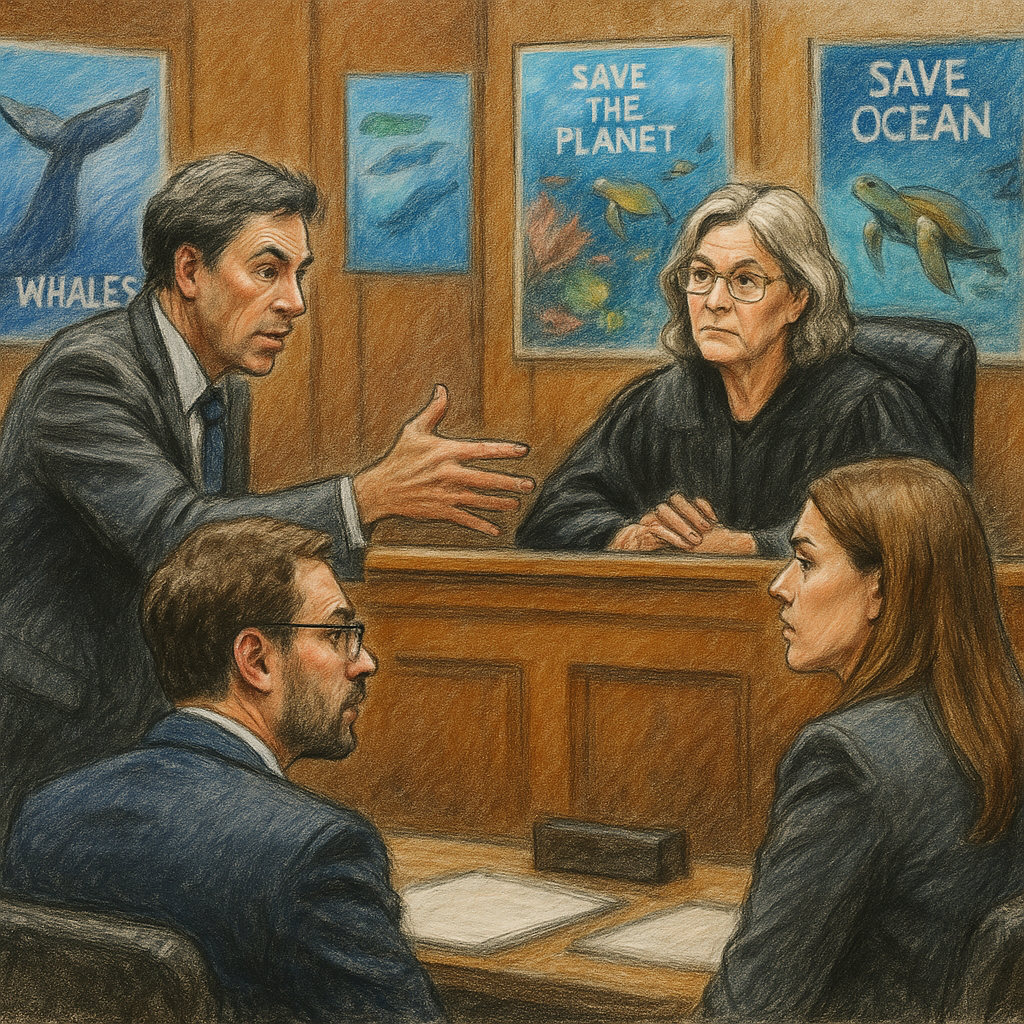
Lytvynchuk is scheduled to appear in U.S. District Court in Honolulu on charges of harassing and attempting to harass a protected animal. Legal analysts expect the case will hinge on intent versus outcome. Did Lytvynchuk knowingly endanger an endangered animal, or was his behavior a misguided attempt to protect another species? While ignorance of the law is generally not a defense, the prosecution must establish clear evidence of harm or intent.
If convicted, penalties could include significant fines and jail time, sending a strong message to both tourists and residents about the consequences of harming protected species. Conservation organizations are hopeful the case will also spark more rigorous conservation campaigns and collaboration between local communities and government agencies.
What’s Next: Building a Path Forward
As legal and public discussions unfold, this incident raises crucial questions about how society balances justice with education. Can harsher penalties and hyper-visible cases discourage wildlife harassment? What role should social media play in amplifying incidents without fueling harassment against the accused?
For Hawaii, the challenge goes beyond isolated cases like this—it involves fostering a culture of respect for its fragile ecosystems and the native animals within them. Organizations like NOAA and local advocacy groups are already working on programs aimed at minimizing human-wildlife conflict by fostering better public education both online and on-site.
Meanwhile, analysts suggest keeping an eye on how this case evolves legally and socially. The outcome could influence future enforcement priorities, tourism policies, and public discourse around endangered species protection. As Breiner noted, the incident may have been a tipping point for societal conversations around conservation, accountability, and the risks of digital vigilantism.