Images chosen by Narwhal Cronkite
Russia Signs Military Partnership with the Taliban: What It Means for Global Politics
In a move that has sparked intense debate among geopolitical observers, Russia has signed a military cooperation agreement with Afghanistan’s ruling Taliban, signaling a significant shift in regional dynamics. This agreement comes amidst broader global realignments, underscoring the Kremlin’s evolving foreign policy strategy and raising questions about the future of Afghanistan’s global relations under Taliban rule.
The Agreement: A New Strategic Alliance
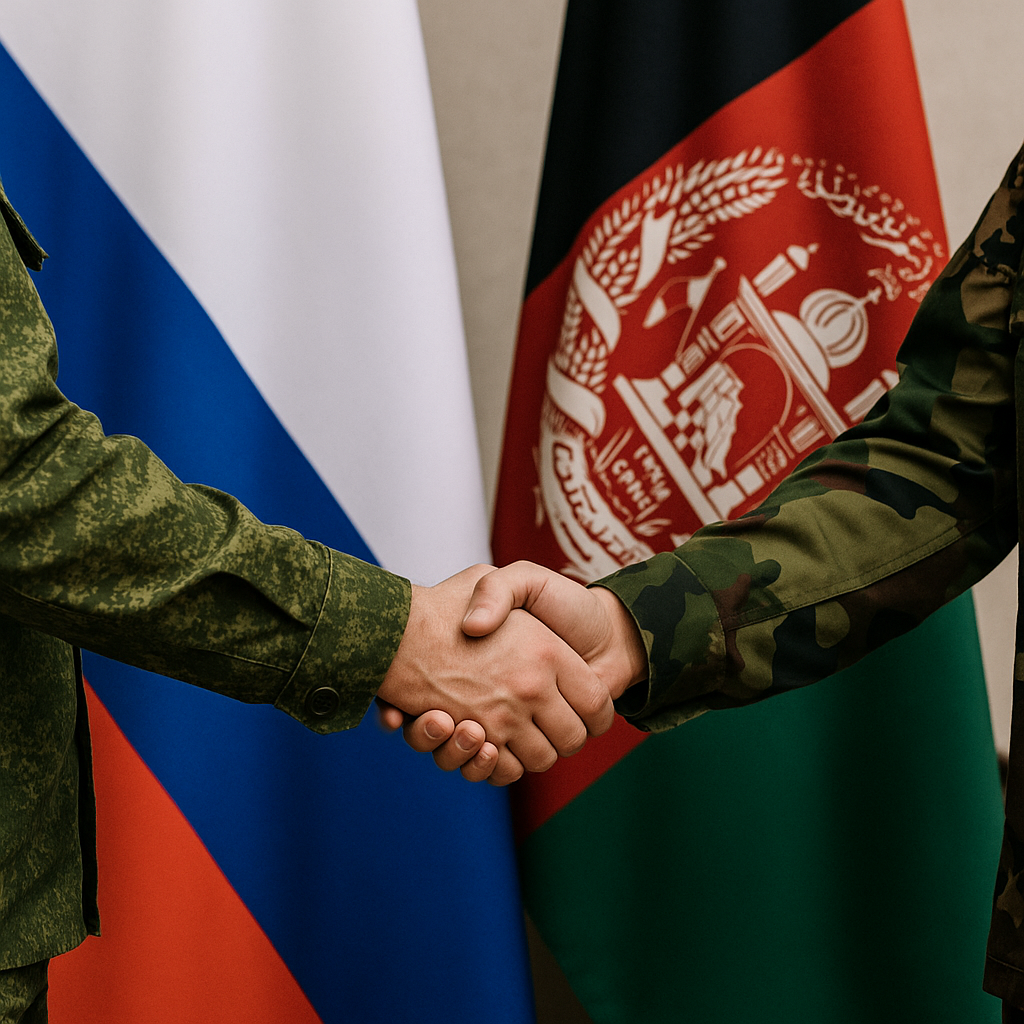
On Wednesday, Afghan Defense Minister Mohammad Yaqoub met with Russian Security Council Secretary Sergei Shoigu at the International Security Forum in Moscow. Following their discussion, the two nations signed what is being described as a “military cooperation agreement,” marking a new chapter in relations between Russia and the Taliban.
While the specifics of the agreement remain vague, Yaqoub described the move as an expansion of longstanding bilateral ties. “Interaction with Russia is important for us,” he stated, emphasizing the decades-long relationship between Kabul and Moscow. However, the context of this partnership is far from simple.
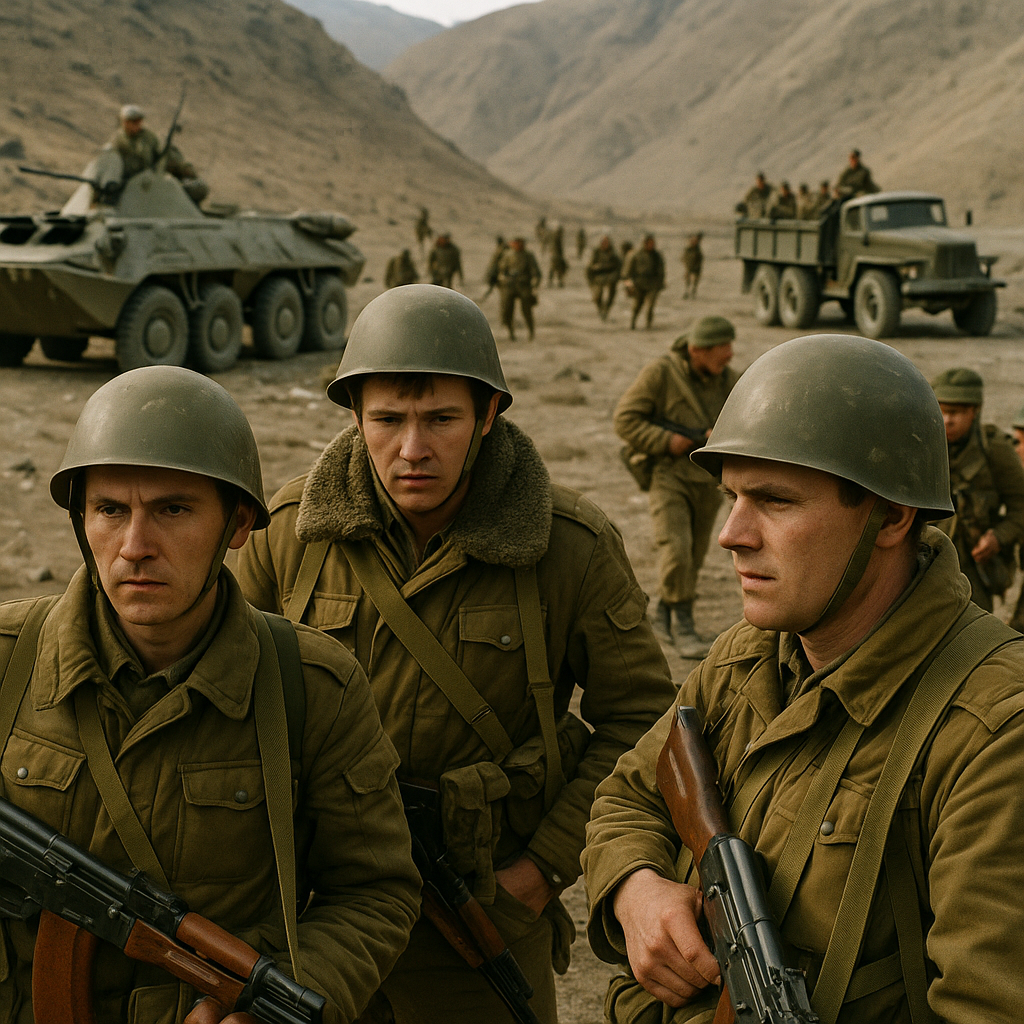
The relationship between Afghanistan and Russia has been deeply complex. The Soviet-Afghan War (1979-1989) left indelible scars on both nations, with the Soviet Union’s decade-long occupation being met by fierce resistance from Afghan mujahideen fighters—some of whom would later form the Taliban. Despite this fraught history, the Kremlin’s recent moves suggest a calculated effort to solidify ties with the Taliban-controlled government.
Historical Context: From Adversaries to Allies?
Russia’s evolving stance toward the Taliban reflects a broader recalibration of its geopolitical priorities. After designating the Taliban as a terrorist organization in 2003, Russia removed the group from its banned list in April 2025. Three months later, Russia formally recognized the Taliban as the legitimate government of Afghanistan, breaking ranks with most of the international community.
This shift comes against the backdrop of Russia’s growing efforts to counterbalance Western influence globally. Sergei Shoigu highlighted this angle during his remarks at the signing ceremony, calling on Western nations to “unfreeze sanctions on the Taliban” and to “acknowledge their 20-year responsibility in Afghanistan.” Observers note that this rhetoric ties closely to Moscow’s broader narrative of positioning itself as a counterweight to Western hegemony.
Historically, international recognition of the Taliban has been a point of contention. According to Politico, Russia is the only country to have granted official recognition to the Taliban. Meanwhile, other global players, such as the European Union, maintain interaction with Taliban officials without formal acknowledgment of their regime. A recent European Commission invitation extended to Taliban representatives in Brussels underscores this delicate balance; the spokesperson stressed that the invitation does “not by any means constitute a recognition.”
Global Implications of the Partnership
Russia’s military partnership with the Taliban has wide-ranging implications. For Afghanistan, it signals a potential lifeline as it grapples with ongoing economic sanctions, a humanitarian crisis, and limited international trade. Afghanistan’s reliance on external support has grown significantly since the U.S. withdrawal in 2021, leaving the country’s leadership eager to align with any nation willing to engage on favorable terms.
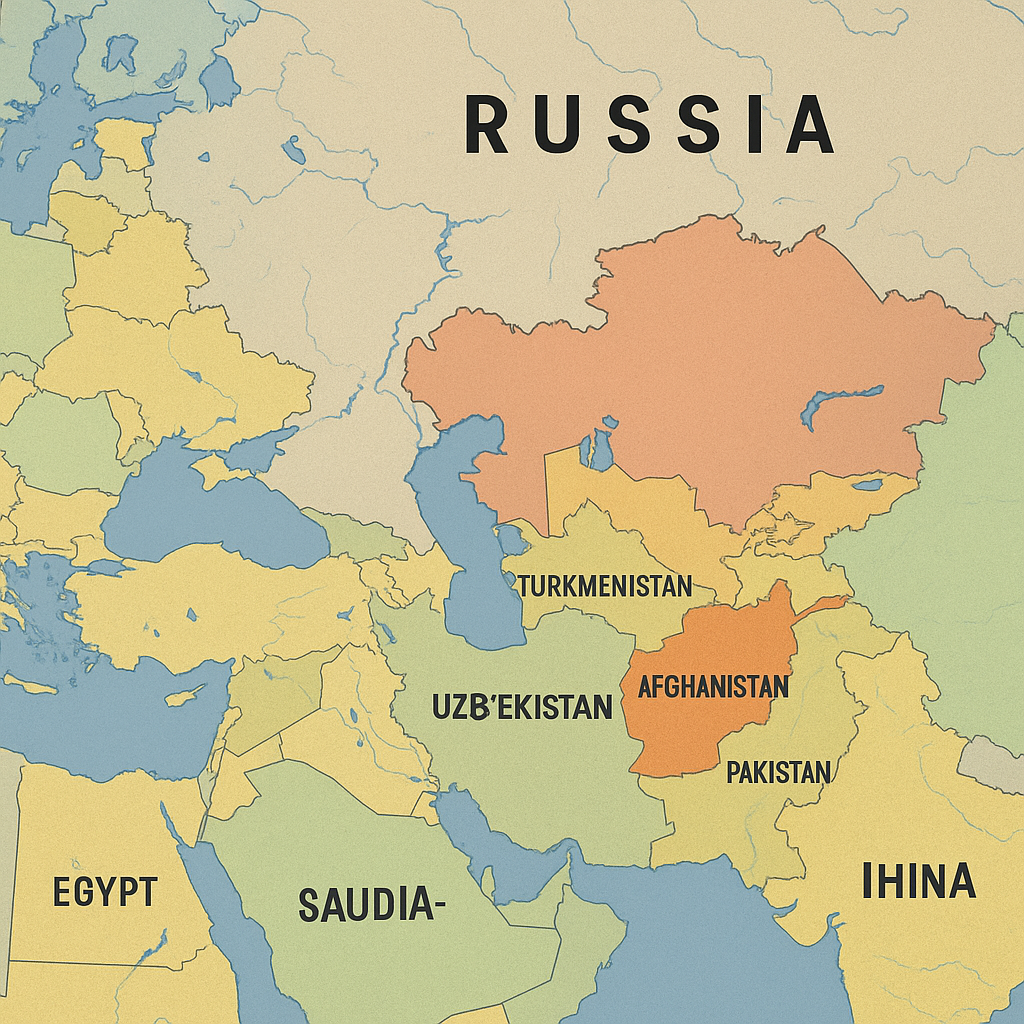
For Russia, the partnership is equally strategic. It allows Moscow to extend its sphere of influence in a region still defined by fragile alliances, long-standing ethnic tensions, and unresolved political conflicts. By cooperating with the Taliban, Russia gains leverage over Central Asian states concerned about spillover effects from Afghanistan’s instability. This could also help Moscow counterbalance U.S. influence in the region at a time when Russia is increasingly isolated on the world stage due to its ongoing war in Ukraine.
Crucially, this partnership could destabilize the region further if not managed carefully. Some analysts fear that arms supplied through this agreement could end up exacerbating long-standing ethnic divisions within Afghanistan. Others warn that the partnership’s success depends on whether the Taliban can maintain control over an ethnically and politically fractured population.
Comparisons on the Global Stage
Russia is not the only nation seeking to expand its influence through unconventional alliances. A parallel example can be found in the recent deal signed by Armenia with the United States, as reported by Al Jazeera English. Armenia’s growing alignment with Washington ahead of parliamentary elections is widely seen as a strategic counterweight to its dependence on Russia, with analysts describing the shift as emblematic of deeper geopolitical realignments across Eurasia.
Meanwhile, Moscow’s deepening ties with Beijing provide yet another layer of context to these moves. Recent visits by Vladimir Putin to China have resulted in an increasing number of partnerships, which analysts at Global Research describe as part of “an integration process” aimed at reshaping global power dynamics. These multi-polar alignments demonstrate how nations are increasingly seeking alternatives to the U.S.-led international order.
A Changing Definition of Stability
Observers are divided on what Russia’s military partnership with the Taliban means for Afghanistan’s long-term stability. Industry analysts note that while the deal could provide an economic boost in the short term, it may also further isolate Kabul diplomatically. Several Western countries remain deeply skeptical of aligning with a government that has been accused of human rights violations, particularly in its treatment of women and minority groups.
For Afghanistan, the stakes couldn’t be higher. After decades of conflict, its people are looking for stability, but its leadership seems to be making bold geopolitical gambles without guaranteed returns. How Moscow approaches this relationship moving forward—be it through economic aid, military hardware, or political counsel—will play a critical role in shaping Afghanistan’s future and its place in the global order.
What Comes Next?
With Russia now officially drawing closer to the Taliban, the question remains how other major powers will respond. Will this partnership spur other nations to engage with the Taliban in defiance of U.S. sanctions? Or will it deepen the isolation of both Kabul and Moscow on the world stage?
One potential ripple effect involves increased tensions in Central Asia, where Russia and China are both vying for influence. Observers should watch for how Russia’s agreements with the Taliban interact with its broader efforts to strengthen partnerships with Beijing, as well as with countries like Iran and Pakistan.
Ultimately, while this partnership offers significant opportunities for Moscow and Kabul to further their respective agendas, it also introduces considerable risks. Whether this new alliance ultimately stabilizes Afghanistan or plunges it into further unease remains to be seen.