Images chosen by Narwhal Cronkite
Why A CEO’s 2026 AI Budget Decision is Sparking Debate on Workplace Priorities
In a move that underscores the tech industry’s growing fascination with artificial intelligence (AI), Teradata, a major player in cloud and data analytics, is reallocating its 2026 employee compensation budget toward developing AI capabilities. The decision, announced by Teradata’s CEO, has blindsided employees who were expecting raises in 2026 and has ignited a larger conversation about AI’s impact on workplace dynamics.

A Shift in Priorities: AI Over Compensation
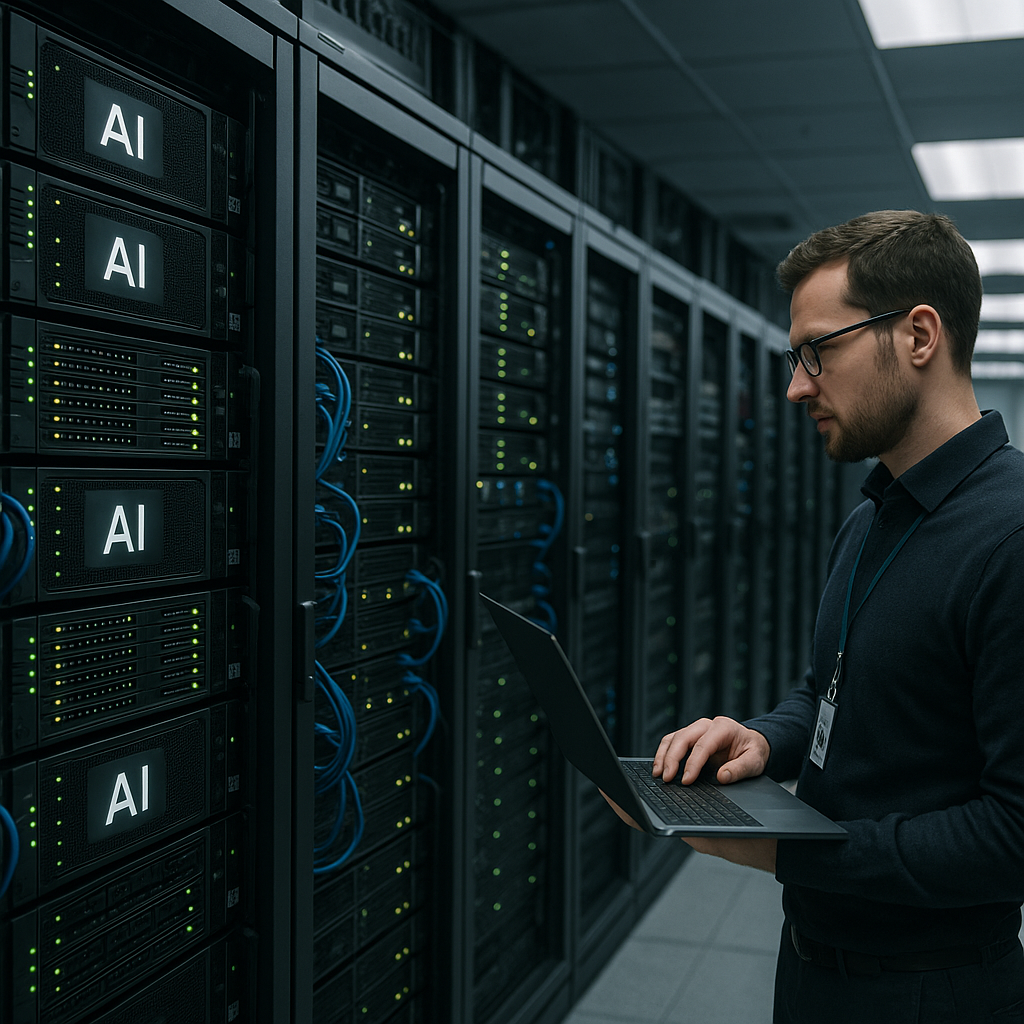
Teradata’s CEO justified the decision by emphasizing the need to invest in state-of-the-art AI tools to maintain a competitive edge in an ever-evolving tech landscape. While AI has promised revolutionary advancements in automation, decision-making, and efficiency, this shift raises questions about how companies are balancing immediate employee needs with long-term innovation goals.
According to a report by Business Insider, similar moves are becoming increasingly common as companies race to integrate AI into their core operations. However, cutting back on employee compensation to fund these initiatives could alienate workforces, potentially leading to dissatisfaction and a talent drain.
Employee Sentiment: A Brewing Backlash
It’s no secret that AI investments are expensive. A corporate pivot toward AI often requires billions in upfront development costs, infrastructure upgrades, and specialized hiring. But is it fair to make employees shoulder the burden of these financial decisions? Industry observers suggest otherwise.
One tech analyst noted, “AI won’t deliver results if companies alienate the very workers responsible for integrating it into daily operations. Instead of freezing raises outright, they could explore phased compensation plans or offer alternative benefits.” This sentiment reflects growing unease among workforces that already feel their jobs might be threatened by automation.
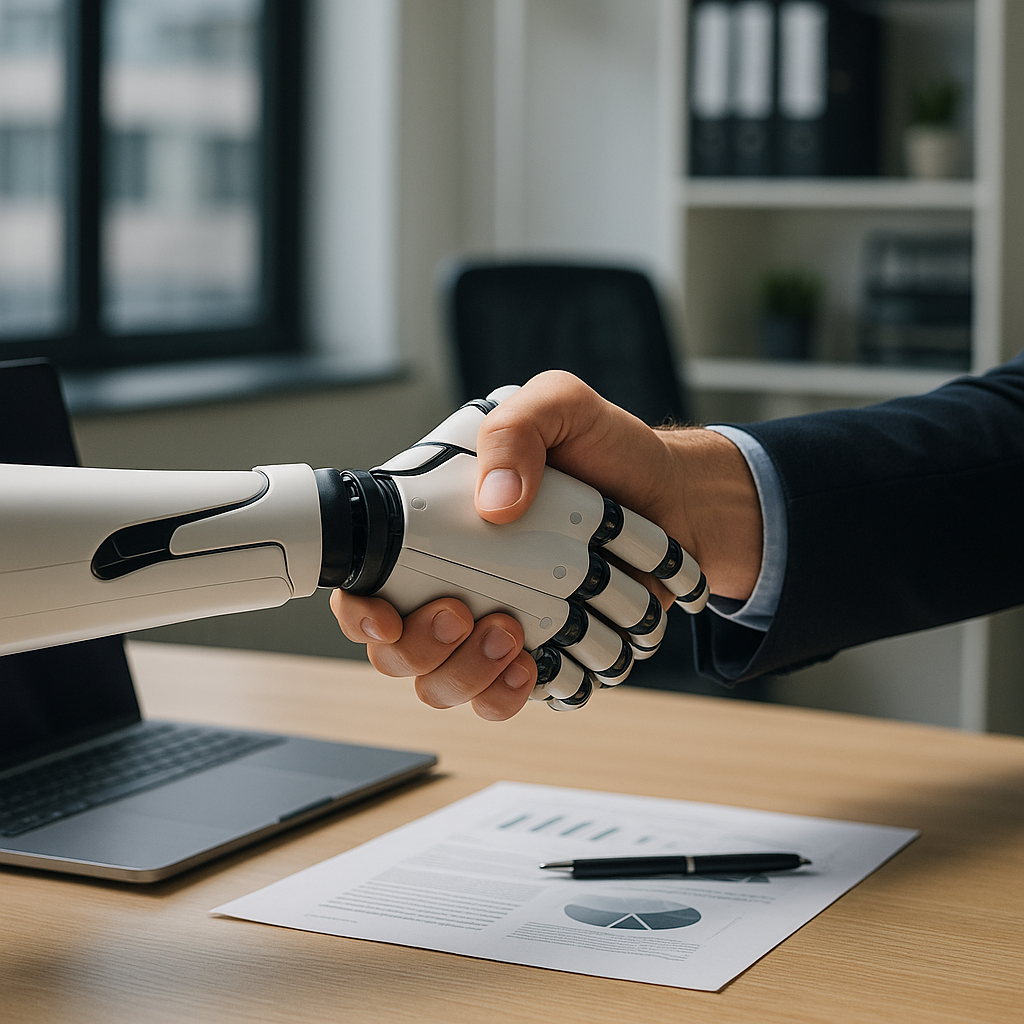
Even high-profile leaders are sounding off on the AI-worker dynamic. Entrepreneur Mark Cuban, for example, recently warned that employees who blindly accept AI outputs without challenging them could face obsolescence. As reported by Yahoo Entertainment, Cuban’s perspective highlights the importance of human oversight in AI implementation — something that investment in employee skill development could help achieve.
The Broader Context: AI’s Domino Effect
The ramifications of AI adoption aren’t limited to tech companies. Across sectors, AI is rapidly transforming workflows, decision processes, and even hiring. For example, the Transportation Security Administration (TSA) is now considering augmenting airport security processes with AI to improve efficiency, as reported by Business Insider. However, such experiments have sparked debates about whether technology can ever fully replace human intuition and situational awareness.
Similarly, the entertainment industry is grappling with AI’s disruptive presence. As noted by Business Insider, actors and creatives fear losing jobs to AI-powered virtual simulations and content creation tools. These developments point to a future of widespread displacement if companies and governments don’t act responsibly.
Balancing Innovation with Employee Well-being
While AI is an undeniably powerful tool, balancing innovation with employee retention is becoming a critical challenge for corporate leaders. Organizations like Teradata must weigh their investments carefully to ensure they don’t inadvertently undermine workforce morale — an often-overlooked variable that directly affects productivity.
Some experts suggest implementing hybrid strategies that simultaneously expand AI capabilities and nurture human talent. For instance, holding tech workshops, re-skilling programs, or investing in professional development could help bridge the divide between automation and employment stability.
Interestingly, President Trump’s administration has made indirect contributions to the AI debate, publicly endorsing innovation while navigating political pressures. Events such as the recent National Mall prayer gathering — involving complex allocations of taxpayer funds and private donations — demonstrate how prioritizing certain budgets can spark public scrutiny, drawing parallels to corporate dilemmas.
The Road Ahead: What to Watch For
The workforce of 2026 faces a pivotal moment. As AI becomes tightly interwoven with corporate strategy, employees and executives alike must reassess the dynamics of collaboration, compensation, and responsibility. Analysts warn that companies need to ensure transparency in their decision-making to avoid employee resentment and public backlash.
For Teradata and other organizations these choices reflect the broader tension between embracing AI and safeguarding human-centric values. Will the race to innovate compromise workplace harmony? Or can businesses find creative solutions that capitalize on technology without alienating their workforce?
Only time will tell, but one thing is clear: AI is no longer just a disruptor — it’s a defining factor in how we think about work, compensation, and organizational priorities. For all the promise it holds, the human equation must remain at the forefront of industry debates.
Conclusion
As issues of automation, compensation, and employee satisfaction come to a head, the decisions corporations make today will have ripple effects across industries. Watching moves like Teradata’s unfold in real-time provides insight into how AI is reshaping our workplaces — for better or for worse. Staying informed, challenging policies, and advocating for fairness and transparency remain vital as workers navigate this transformative era.