The SpaceX IPO has officially pushed Elon Musk past the $1 trillion net worth mark, making him the first individual in recorded history to reach that threshold, according to RNZ, citing updated wealth tracker data following the public listing.
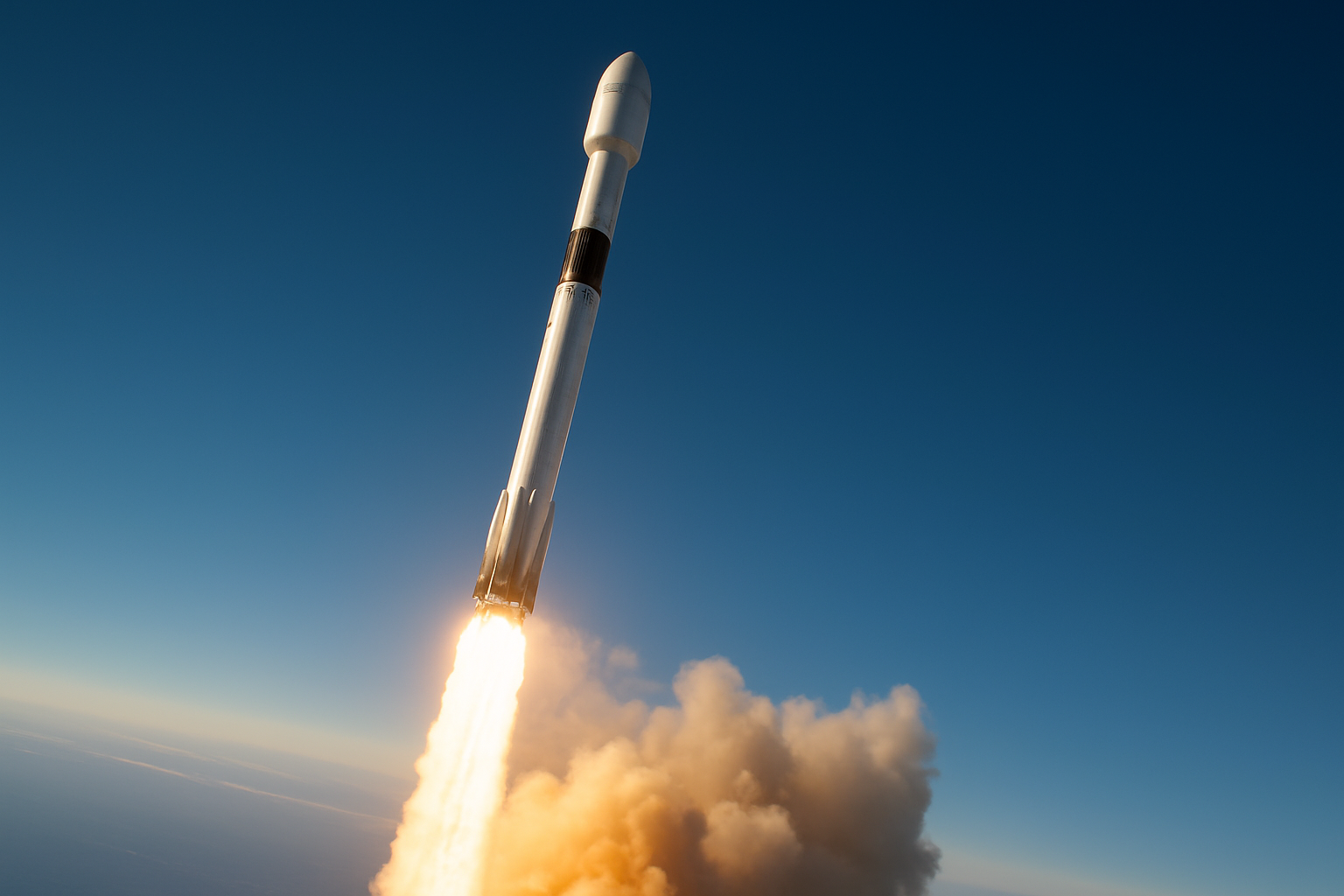
The milestone lands in June 2026, years after analysts first speculated Musk could become a trillionaire — but the trigger turned out to be the long-awaited market debut of his rocket and satellite company, not Tesla or his other ventures.
One detail that rarely surfaces in the headline: a significant portion of Musk’s new paper wealth is tied directly to SpaceX’s Starlink satellite internet division, which has quietly become the company’s most profitable segment and the engine that made institutional investors confident enough to price the IPO at a sky-high valuation.
How the SpaceX IPO Pushed Musk Past $1 Trillion
SpaceX had been one of the most valuable private companies in the world for years, with secondary-market trades valuing it well above $200 billion before any public listing. When the company finally went public in 2026, the opening valuation came in dramatically higher than even bullish pre-IPO estimates, largely on the strength of Starlink’s recurring subscription revenue and a packed manifest of government launch contracts.
Musk owns an estimated 40–42% stake in SpaceX. At the IPO’s market price, that slice alone is worth hundreds of billions of dollars. Stack that on top of his Tesla equity, his ownership of xAI, and his stake in X (formerly Twitter), and the combined figure crossed the $1 trillion line.
For context, no one had ever done this before. The previous record — held by Musk himself — peaked somewhere around $340 billion in late 2021, a figure that already seemed almost impossible to comprehend. The new number is roughly three times that.
What the Trillionaire Label Actually Means
Wealth at this scale is almost entirely theoretical on any given day. Net worth figures for the ultra-rich are calculated using publicly traded stock prices, which can swing violently. Musk’s Tesla shares, for example, have historically added or erased tens of billions of dollars in a single session. A sustained market downturn could pull him back below $1 trillion just as fast as the SpaceX IPO pushed him above it.
That said, the composition of his wealth is now more diversified than ever. Tesla remains a major component, but SpaceX’s newly public shares and xAI — which has attracted enormous investment rounds off the back of its Grok AI model — mean Musk’s fortune no longer rises and falls entirely on one company’s stock price.
The broader picture for the AI and tech space is that Musk now controls a vertically integrated empire that spans rockets, satellites, electric vehicles, artificial intelligence, and social media — a combination no single billionaire has held before.
The Starlink Factor: SpaceX’s Real Money Engine
Starlink, SpaceX’s low-Earth-orbit broadband network, now serves tens of millions of subscribers across more than 100 countries. It generates recurring monthly revenue that traditional rocket launch businesses simply cannot match. Investors buying into the SpaceX IPO were not just buying launch manifests — they were buying a global internet service provider with minimal terrestrial infrastructure costs.
Defense and government contracts add another layer of revenue stability. SpaceX has secured multibillion-dollar NASA deals, U.S. military satellite launch contracts, and international partnerships that make its income stream far less volatile than a pure commercial launch company.
This financial profile — predictable subscription income plus high-margin government contracts — is exactly what public market investors wanted to see, and it explains why the IPO valuation landed where it did.
The Broader Wealth Gap Conversation
The moment one person crosses $1 trillion in net worth, the wealth inequality debate intensifies. Critics point out that $1 trillion could fund the entire U.S. federal education budget for roughly two years, or provide clean water infrastructure to hundreds of millions of people globally. Advocacy groups and progressive economists have already called for new wealth tax frameworks specifically triggered by the trillionaire threshold.
Supporters of Musk counter that his wealth is locked in equity, not cash, and that SpaceX has created tens of thousands of jobs, driven down the cost of access to space dramatically, and built infrastructure — Starlink — that connects underserved communities worldwide. That debate is unlikely to be resolved by a stock price.
The energy and technology sectors broadly are minting new billionaires at a faster pace than any era in history, making Musk’s milestone a symbol of a wider structural shift rather than a purely individual feat.
What Happens Next
Now that SpaceX trades publicly, its share price will become a daily variable in Musk’s net worth. Investors will watch Starlink subscriber growth, the cadence of Starship launches, and any news about SpaceX’s role in NASA’s Artemis lunar program for clues about where the stock goes from here.
A lock-up period — the window during which insiders cannot sell their shares — will be closely watched by market analysts. If and when Musk or other insiders begin liquidating, it could create significant downward pressure on the stock, and potentially drag his net worth back below the historic threshold.
For now, the number stands. The world has its first trillionaire, and his fortune was ultimately built not on software, but on rockets.