A JetBlue commercial flight was struck by a drone while on approach to John F. Kennedy International Airport in New York, the Federal Aviation Administration confirmed on June 29, 2026. Reuters first reported the FAA’s statement, marking one of the clearest confirmed drone-aircraft collisions at a major U.S. hub in recent memory.
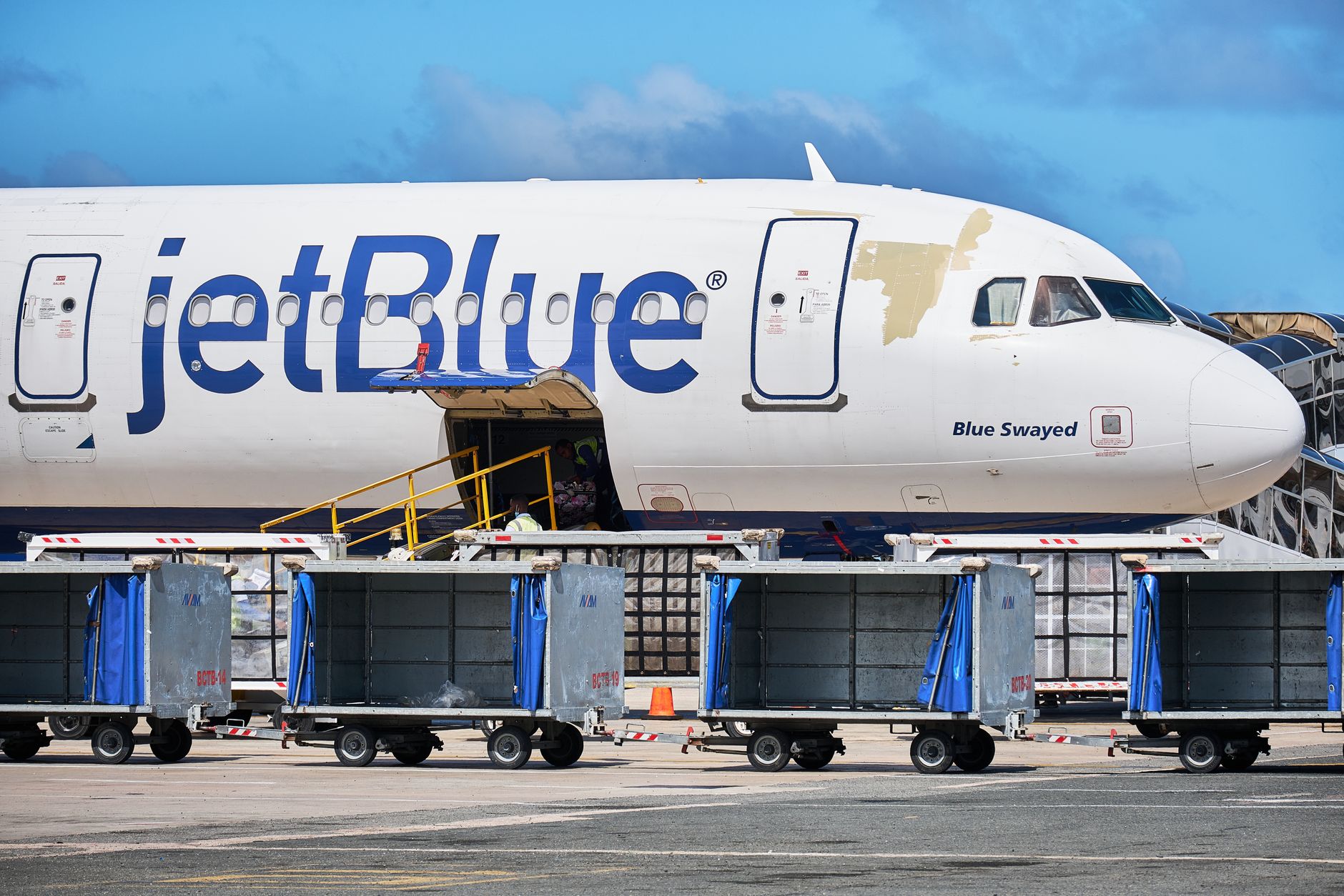
The aircraft landed safely at JFK, and no injuries among passengers or crew were reported. What makes this incident stand out from the hundreds of annual drone sightings near airports: the FAA confirmed actual physical contact between the drone and the jet — not merely a close call logged by a pilot.
What the FAA Says Happened Over JFK
The FAA is investigating the collision, which occurred as the JetBlue flight was descending toward one of the busiest airports in the United States. JFK handles roughly 1,300 flights per day, and its approach corridors over Jamaica Bay and the surrounding boroughs of Queens and Brooklyn pass over densely populated, drone-active neighborhoods.
Authorities have not yet publicly identified the drone’s operator. Under FAA rules, drones are banned from flying within a five-mile radius of major airports without explicit authorization — a restriction routinely ignored by recreational and commercial operators alike. Finding the person responsible in a sprawling metro area like New York is rarely straightforward, and prosecutions for unauthorized drone flights near airports remain uncommon despite the legal exposure, which can reach federal criminal charges.
How Rare — and How Serious — a Direct Hit Actually Is
The FAA receives more than 100 drone sightings near airports every month nationwide, but confirmed physical strikes on commercial aircraft are far less frequent. Aviation safety researchers have long warned that a drone ingested into a jet engine or colliding with a cockpit windscreen at landing speeds could cause catastrophic damage. A drone weighing as little as two pounds carries roughly the same kinetic energy as a large bird at typical approach speeds — and unlike birds, drones contain hard metal motors, lithium batteries, and rigid plastic frames that don’t compress on impact.
The JetBlue aircraft involved has not been publicly identified by tail number, and the airline has not disclosed which specific part of the plane was struck. That detail matters: a hit on a fuselage panel is a very different engineering problem than a strike on an engine inlet or a flight control surface. The FAA’s investigation will determine the extent of any airframe damage.
For context on how infrastructure incidents can ripple outward, NASA’s own safety planners are navigating a similar calculus as they weigh risk from uncontrolled debris in the ISS deorbit plan — the question of what happens when something hits something else at speed is rarely simple.
The Regulatory Gap Drone Operators Keep Exploiting
The FAA’s Remote ID rule, which took full effect in 2023, requires most drones to broadcast their location and the location of their operator in real time — essentially a digital license plate for unmanned aircraft. But enforcement depends on someone actually monitoring that data stream and cross-referencing it with an incident. In a city like New York, where consumer drones are ubiquitous and the airspace is chaotic, that gap between rule and reality is wide.
The agency has been pushing drone operators to use its B4UFLY mobile app, which shows restricted flight zones in real time. Flying within JFK’s controlled airspace without authorization is a federal offense, but the tools to catch violators after the fact are still catching up to the technology itself.
Congress has given the FAA expanded authority to detect and disable rogue drones near airports, and several airports including JFK have installed counter-drone detection systems in recent years. Whether those systems generated any data about Sunday’s drone before the collision is part of what investigators will now examine.
JetBlue’s Response and the Next Steps for Passengers
JetBlue has not issued a detailed public statement beyond confirming the flight landed safely. Airlines are required by FAA protocol to report any foreign object strike — whether bird, debris, or drone — and to submit the aircraft for inspection before it returns to service. Depending on the inspection findings, that can ground a plane for hours or days.
For travelers booked on JetBlue routes through JFK, the immediate operational impact appears limited. The longer-term consequence lands on regulators: the FAA will be expected to produce a full incident report, and given the profile of a confirmed drone collision at the country’s most prominent international airport, pressure on the agency to tighten enforcement is likely to intensify in Congress this summer.
If the drone operator is identified, they face potential fines up to $27,500 per violation under civil FAA penalties — and if prosecutors determine the flight was endangered, federal criminal charges under 18 U.S.C. § 32, which covers destruction of aircraft, carry prison sentences of up to 20 years. The investigation remains open.