Mt. Olive Pickles announced it is withdrawing from the Great American State Fair in North Carolina after a Confederate flag was displayed at a booth bearing the company’s branding, according to WITN, which first reported the story on June 29, 2026. The North Carolina-based pickle brand said it had no prior knowledge the flag would be present and moved quickly to distance itself from the display.
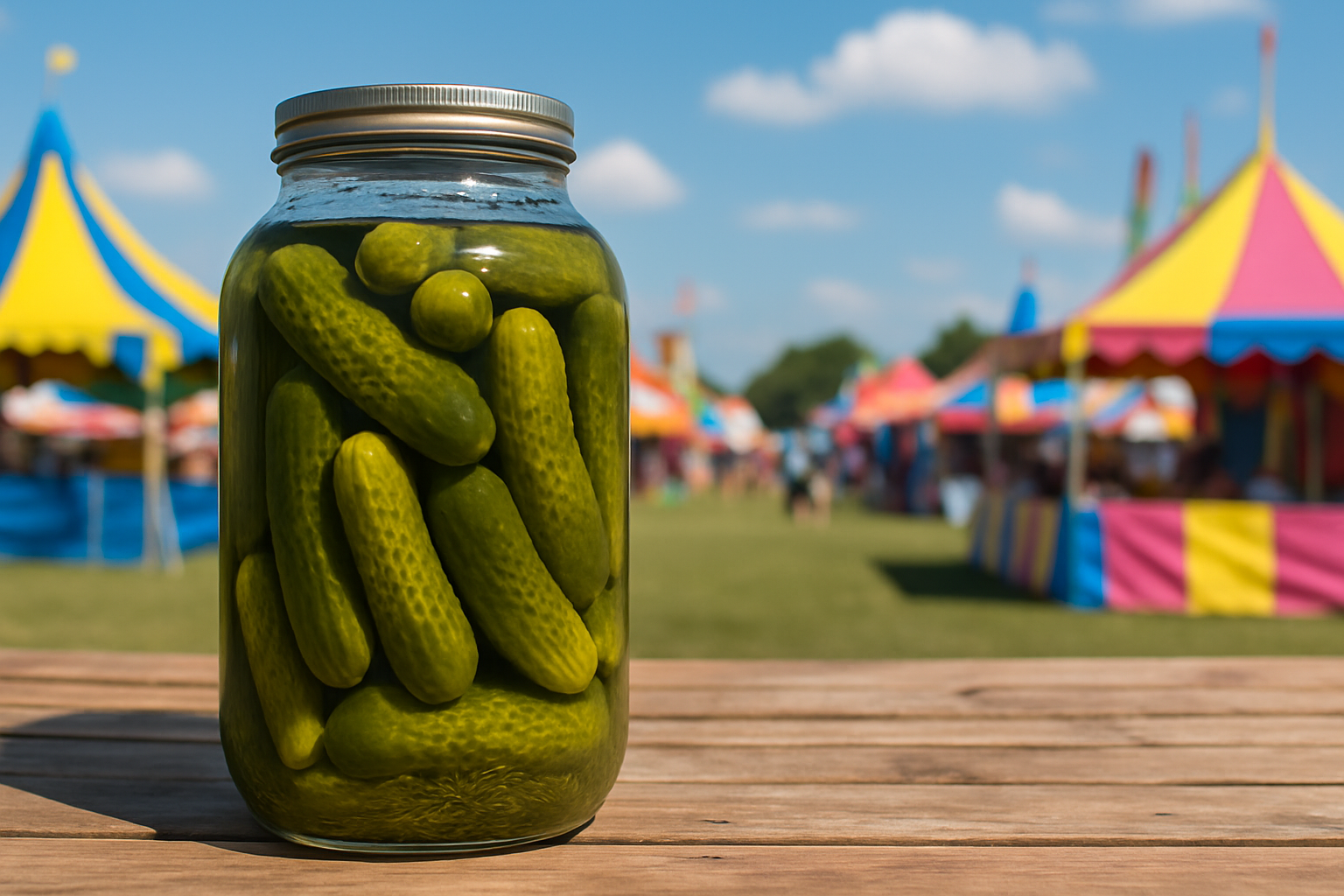
The detail that sets this apart from a typical brand controversy: Mt. Olive did not own or directly operate the booth in question. A vendor had set up the space using the company’s name and products, then hung the Confederate flag without the company’s approval — making the brand’s association accidental but visible to fair attendees.
Mt. Olive’s response to the Confederate flag at the NC booth
The company stated that the flag does not represent its values and that it pulled its participation from the fair as soon as it learned of the situation. Mt. Olive Pickles, headquartered in the town of Mount Olive, North Carolina, is one of the largest pickle producers in the United States and sells in grocery chains across the country. A brand tied so closely to a specific state and regional identity has particular reason to be careful about how that identity is portrayed.
The Great American State Fair is a separate event from the long-running North Carolina State Fair held in Raleigh each fall. Vendors at these kinds of events often operate independently, sourcing products from major brands and setting up booths that can look like official brand presences without actually being company-run. That gap between a brand’s corporate standards and the behavior of independent vendors is at the center of this incident.
How an independent vendor put a national brand in the spotlight
The Confederate flag has been a flashpoint in American public life for years, with many corporations, institutions, and sports organizations taking formal positions against its display. For a food brand that relies on broad retail distribution and mainstream consumer goodwill, the association — even an unintentional one — carries real commercial risk.
Mt. Olive’s withdrawal signals how quickly companies now act when images tied to their branding surface publicly. The flag photograph spread on social media before the company’s statement was issued, putting pressure on the brand to respond before a news cycle fully formed. The speed of the pullout — rather than a prolonged review — suggests the company calculated that staying in the fair while the controversy played out would cost more than leaving.
For fair organizers, the episode raises questions about vendor screening. Large state and regional fairs typically have vendor contracts that specify conduct standards, but enforcement of what individual vendors display at their booths can be inconsistent. Whether the Great American State Fair had explicit rules prohibiting certain flags or political symbols, and whether the vendor violated those rules, has not been publicly clarified as of publication.
North Carolina’s broader context around Confederate symbols
North Carolina has navigated debates over Confederate monuments and symbols for over a decade. The state legislature passed laws in 2015 restricting the removal of certain historical objects from public property, a measure that became contentious as national conversations about Confederate imagery intensified after high-profile events elsewhere in the South. Against that backdrop, a prominent North Carolina brand publicly rejecting a Confederate flag display carries weight beyond a single fair.
Mt. Olive Pickles has not indicated whether it plans to pursue any action against the vendor or whether it will return to the Great American State Fair in future years under different conditions. The company’s statement focused on the immediate withdrawal rather than laying out longer-term policy on third-party vendor agreements.
This kind of incident — where a brand gets pulled into a controversy it didn’t create — has become more common as social media compresses the time between an image going public and a corporate response being demanded. Public pressure campaigns around brands and institutions now move faster than most internal communications teams can manage, which is part of why Mt. Olive’s swift exit was likely a deliberate calculation rather than a panic move.
The vendor who displayed the flag has not been publicly identified by name. The next concrete development to watch: whether fair organizers address the vendor policy publicly, and whether Mt. Olive issues any follow-up statement about how it will vet third-party booth operators going forward.