Curry Barker’s horror film Obsession has crossed $400 million at the worldwide box office, according to The Wrap, making it the highest-grossing film ever produced on a budget under $1 million — a threshold that, adjusting out inflation, had not been breached in over half a century.
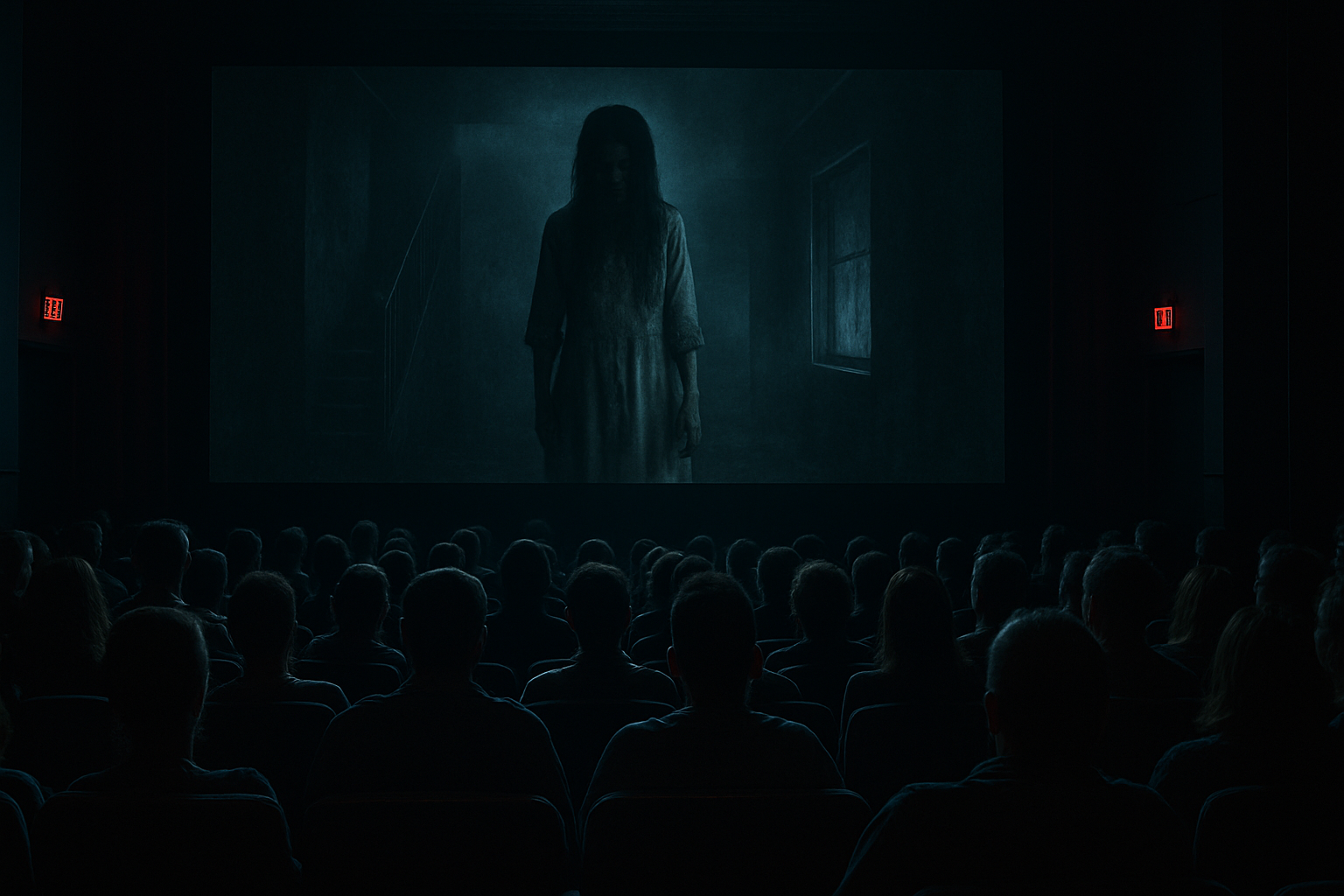
The record it toppled belonged to Bruce Lee’s 1973 martial arts landmark Enter The Dragon, which was made for roughly $850,000 and went on to earn tens of millions globally. Obsession shattered that pre-inflation benchmark after just weeks in wide release, a run that has stunned Hollywood financiers and streaming executives alike.
The number that reframes everything: $400M on less than $1M spent
The ratio here is almost absurd. Most studio tentpoles spend $200 million before a single ticket is sold. Obsession produced a return-on-investment that no blockbuster franchise — not Marvel, not Fast & Furious, not any legacy horror IP — can come close to matching on a per-dollar basis. The film reportedly cost less than many independent music videos to produce.
Barker, a relatively unknown director before this release, shot the film with a skeleton crew and leveraged practical effects over expensive CGI. That lo-fi aesthetic, far from hurting the film, became a selling point that audiences responded to viscerally — the kind of raw tension that polished studio horror often smooths away.
How a horror film with no stars broke a Bruce Lee record
Enter The Dragon had Bruce Lee. Obsession had none of that built-in star power, no pre-existing IP, and no massive marketing war chest. Its early buzz came almost entirely from word-of-mouth on social platforms, where clips of specific scenes spread organically in the weeks before wide release. That grassroots momentum is exactly the kind of audience behavior studios have tried and largely failed to manufacture through paid campaigns.
The 53-year record it broke is a pre-inflation figure, which matters context-wise — $850,000 in 1973 is worth considerably more in 2026 dollars. But the industry typically measures box office records in nominal terms, and on that measure, Obsession stands alone among films produced for under seven figures.
Horror has always punched above its weight at the box office. The genre’s low production requirements and high audience appetite make it a natural incubator for breakout success — think Paranormal Activity, The Blair Witch Project, and Get Out. But none of those reached $400 million globally on a sub-$1 million production budget. Obsession is in genuinely uncharted territory.
Why distributors are now scrambling to find the next Curry Barker
The film’s success will almost certainly accelerate a trend already gaining momentum in 2026: major distributors actively scouting micro-budget projects with viral potential rather than waiting for festival buzz. The math is simply too compelling to ignore. A film that earns 400 times its production budget makes every other investment in a studio’s portfolio look inefficient by comparison.
Barker’s next project will attract a level of industry attention that most directors spend a decade trying to earn. The question is whether he takes studio money and loses the scrappy quality that made Obsession work — a tension every breakout indie filmmaker eventually faces.
For audiences, the film’s run is a reminder that genuine scares don’t require a nine-figure budget. Some of the most effective horror of the past two decades has come from directors working under severe constraints, forced to find creative solutions where a bigger production would just throw money at the problem. That constraint, paradoxically, often produces better filmmaking.
The stock market has its own version of this lesson about outsized returns from overlooked assets — as a historic market warning signal flashing in 2026 has reminded investors that conventional wisdom about scale and safety doesn’t always hold. Obsession is the cinematic equivalent: the smallest player producing the biggest return.
Whether the film has more runway at the box office remains to be seen. International markets, particularly in Southeast Asia and Latin America, have driven a meaningful portion of its gross, and those regions still have markets yet to reach peak theatrical attendance. A $500 million finish is not out of the question — which would make the record even harder to approach for the next micro-budget filmmaker who tries.
It’s also worth watching how streaming platforms respond. A film that performed this well theatrically will command a significant licensing fee for its eventual streaming window, giving Barker and his producers a second wave of revenue that could dwarf what most low-budget films earn in their entire lifecycle. The debate over physical media versus streaming ownership is sharpening just as films like Obsession remind the industry that theatrical, when a film connects, still has no equal.