Frustration with artificial intelligence is moving from online complaint to the ballot box, with a growing number of US races shaped by voter anger over AI-related job losses, sprawling data centers and rising electricity costs, according to a report by Fortune. The magazine reported that the backlash has begun to affect the fortunes of some politicians.
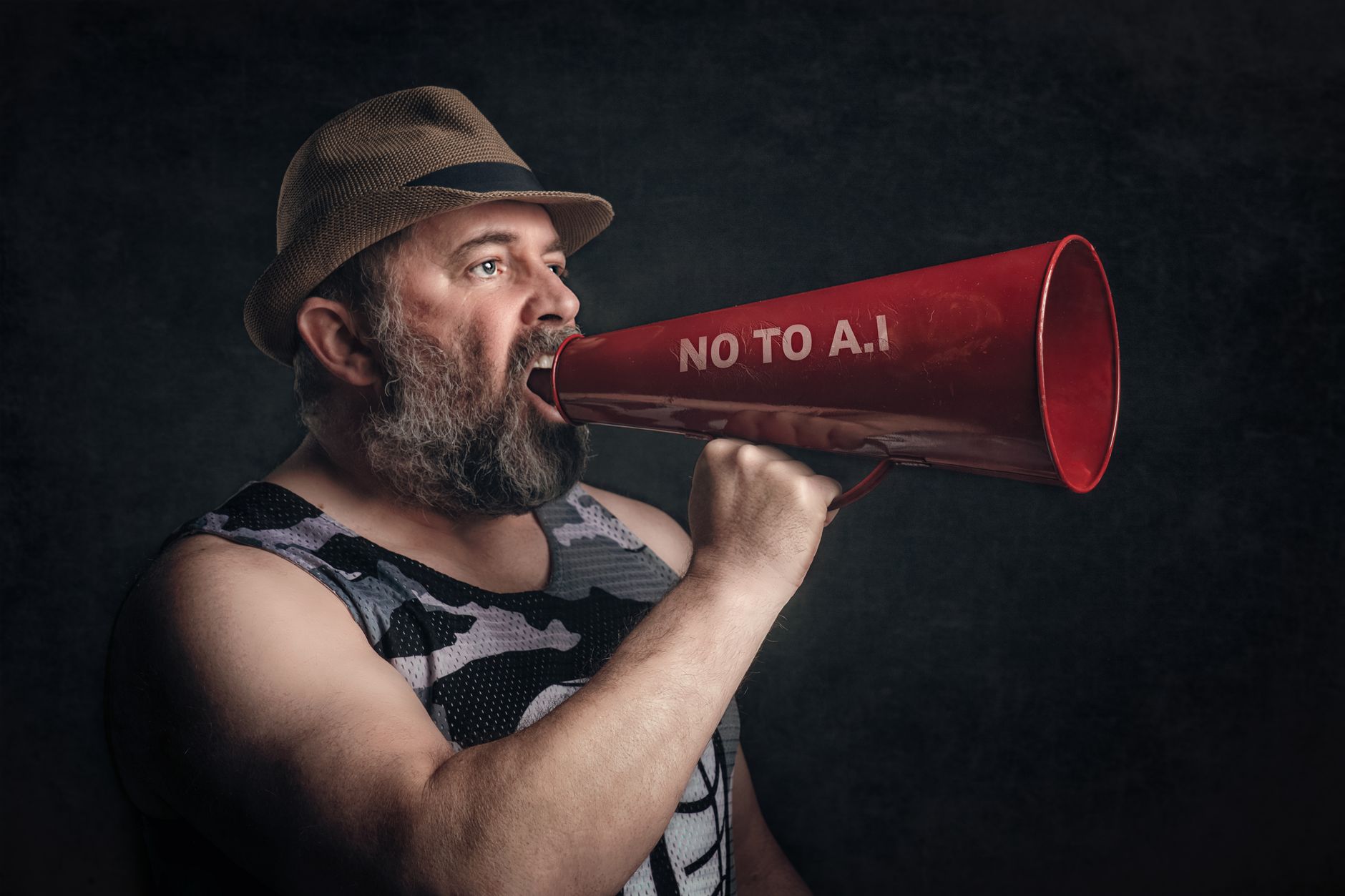
The shift reflects how quickly AI has turned from an abstract technology story into a kitchen-table concern, touching employment, local land use and household bills at the same time.
Why AI became a pocketbook issue
For much of the past few years, debate over AI centered on its capabilities and risks. The report points to a more concrete driver of political anger: the everyday costs voters associate with the technology’s rapid buildout.
- Jobs: workers in fields exposed to automation worry about displacement and stagnant pay.
- Data centers: large facilities that power AI have drawn opposition over land, water and noise.
- Electricity: surging demand from computing has been linked in public debate to higher utility bills.
Those pressures overlap in many communities, which can turn a diffuse unease into a specific grievance that candidates are asked to answer.
How it is showing up in races
According to the report, the discontent has translated into political consequences for some officeholders, as opponents and constituents press them on where they stand. That mirrors a broader pattern of local resistance already visible in the physical infrastructure of AI, including the wave of anti-AI data center protests sweeping US cities.
Candidates are increasingly expected to take clear positions on questions such as how to regulate large computing facilities, whether to support affected workers, and how to keep energy affordable as demand climbs.
A global mood, not just a US one
Skepticism toward AI is not confined to the United States. Governments elsewhere have moved to restrict certain uses of the technology, including a decision by China to crack down on AI “boyfriend” and “girlfriend” apps over concerns about addiction. Those measures suggest a wider public wariness that politicians in many countries are now navigating.
What it means for campaigns
Analysts cited in coverage of the trend suggest AI could become a durable campaign theme rather than a passing controversy, precisely because it intersects with jobs, cost of living and local development all at once. That combination is difficult for candidates to sidestep.
Still, the political effect is uneven. Attitudes toward AI vary by region, industry and age, and support for the technology’s benefits — from medical research to productivity — remains substantial. The report describes a backlash gaining force, not a settled verdict.
What is driving the shift
Pollsters tracking the AI backlash point to a convergence of anxieties rather than a single grievance. Concerns about automation eroding stable jobs sit alongside frustration over data centers reshaping local landscapes and unease about who ultimately pays for the electricity those facilities consume. When those worries land on the same household, they can harden into a political demand.
Responses from officials have varied. Some have embraced tighter rules on large computing projects or pledged support for displaced workers; others have emphasized AI’s potential benefits in medicine, research and productivity, warning against overcorrection. The report suggests voters are increasingly attentive to which posture their representatives adopt.
That divergence helps explain why the issue is proving durable. Unlike a scandal that fades within days, the AI backlash is tied to structural changes in the economy and the power grid, giving it staying power that a single news cycle rarely has — and making it harder for candidates to wait out.
For campaign strategists, the lesson is that AI can no longer be treated as a purely technical brief. It has become a question about jobs, bills and community stability, and voters increasingly expect concrete answers rather than reassurance. How convincingly candidates meet that expectation may shape more than one contest before the cycle is out.
The takeaway is straightforward: AI has become a live electoral issue in the United States, and the officials who handle it clumsily may pay a price. How candidates respond — with regulation, worker support, energy plans or a defense of AI’s upside — is shaping up as one of the defining tests of the current cycle. NarwhalTV will continue to track how the AI backlash influences upcoming races.