British Columbia declared a provincial state of emergency on Saturday after the Bald Range wildfire nearly doubled in size overnight, forcing more than 20,000 people out of their homes across the Okanagan in what officials described as the province’s largest evacuation event of the summer. One person has died in the fire.
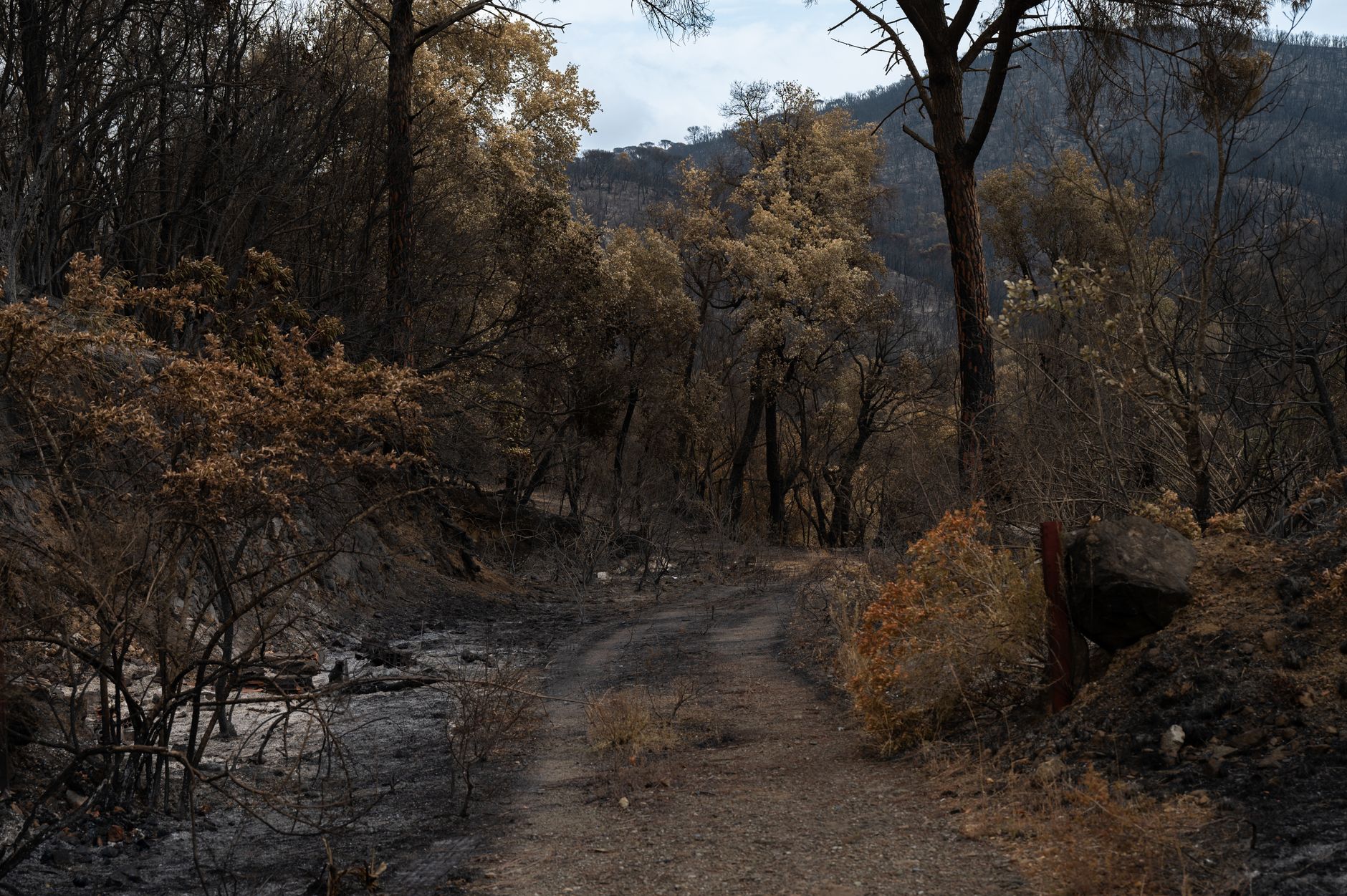
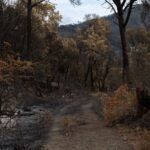
The blaze was first detected on Friday and has since grown to more than 136 square kilometres — about 53 square miles — burning through the Summerland, Peachland and Okanagan-Similkameen areas. Fire behaviour analysts say the fire is now large enough to generate its own weather system, including lightning capable of igniting new spot fires well ahead of the main front.
What happened, and how fast
The speed of the fire is the defining fact of this event. A blaze detected on a Friday afternoon does not normally threaten five figures’ worth of residents by Saturday night. This one did, driven by a combination of cured fuels, steep valley terrain that channels wind uphill, and daytime temperatures that have left the interior tinder-dry.
Officials moved through the escalation ladder unusually quickly. Evacuation alerts — the warning that residents should be ready to leave — were upgraded to evacuation orders in several communities within hours rather than days. Highway corridors out of the valley backed up as thousands of vehicles left at once, a familiar and dangerous pattern in Okanagan fire seasons, where a small number of routes serve a long, narrow, lake-bounded population strip.
The provincial state of emergency, declared Saturday, gives authorities extended powers: they can compel evacuations, restrict travel on affected roads, requisition equipment and property, and coordinate resources across municipal and First Nations jurisdictions without waiting for local agreements. It is a tool British Columbia has reached for repeatedly over the past decade, and its use here signals that officials expect the situation to worsen before it improves.
A fire that makes its own weather
The most alarming detail in the official briefings is the fire’s ability to generate lightning. When a wildfire burns hot enough, the rising column of superheated air and moisture forms a pyrocumulus — and in extreme cases pyrocumulonimbus — cloud above the fire. That cloud behaves like a thunderstorm: it can produce erratic downdrafts that push flames in unpredictable directions, and it can throw lightning strikes into unburned forest kilometres away.
For crews on the ground, that changes the arithmetic. A fire with a single predictable front can be flanked and held. A fire seeding new ignitions ahead of itself cannot be contained by a single guard line, and it makes direct attack dangerous because the wind can reverse without warning. It is the reason officials have leaned on evacuation rather than on assurances that the perimeter will hold.
The wine country problem
The area under threat is not incidental terrain. The Okanagan produces the large majority of British Columbia’s wine and is Canada’s second-largest wine-producing region. Vineyards, tasting rooms, orchards and the tourism economy built around them all sit in the corridor between the lake and the burning slopes — in mid-August, at the height of both the visitor season and the run-up to harvest.
Even where flames never reach the vines, smoke is a commercial threat. Grapes exposed to dense wildfire smoke can absorb volatile phenol compounds that produce “smoke taint,” an ashy character in the finished wine that is difficult to remove and can render a vintage unsellable. Growers in the valley have lost vintages to taint in previous fire years, and the damage does not show up until fermentation, months after the fire is out.
Part of a wider pattern
The Bald Range fire lands in a season that has already stressed emergency systems across western North America. Smoke from fires south of the border has repeatedly degraded air quality in British Columbia this year, as cross-border smoke drift has fouled air across the province. The scale and profitability of the crisis have also drawn scrutiny of their own — in the United States, senators have demanded a crackdown on prediction markets taking bets on wildfire outcomes, and prosecutors have brought charges in high-profile ignition cases, including the Spokane wildfire arrest.
Cross-border cooperation on fire response has historically been one of the more durable parts of the Canada-US relationship, with crews and aircraft moving in both directions during peak season. That cooperation continues even as the broader bilateral relationship has frayed, most visibly when Canada scrapped the joint Gordie Howe Bridge opening ceremony with the US.
What residents should do now
Evacuation orders in British Columbia are mandatory, not advisory. Residents under order are directed to leave immediately by the designated route, register with Emergency Support Services so authorities can account for them, and avoid returning until the order is formally rescinded. Those under an evacuation alert should have documents, medication, pet supplies and a full tank of fuel ready to go, because the window between alert and order in this fire has been measured in hours.
Air quality advisories extend well beyond the fire perimeter. Fine particulate matter from wildfire smoke aggravates asthma and cardiovascular conditions, and health authorities advise keeping windows closed, running filtration where available, and limiting outdoor exertion for children, older adults and anyone with respiratory illness.
What to watch next
Three things will determine whether this fire stabilises or grows: the wind forecast over the next 48 hours, whether overnight humidity recovers enough to slow the fire’s growth in the early morning hours when crews do most of their containment work, and whether the pyrocumulus activity continues to seed spot fires beyond the guard lines. Officials have not offered a containment estimate, which itself is a signal — perimeters are not quoted while a fire is still running.