One of Sydney’s largest local councils has banned camera-equipped smart glasses from its public swimming pools, citing growing concern over covert recording of patrons in changing rooms and poolside areas. The policy, confirmed this week, adds the council to a small but expanding list of Sydney-area authorities restricting the devices at aquatic centers.
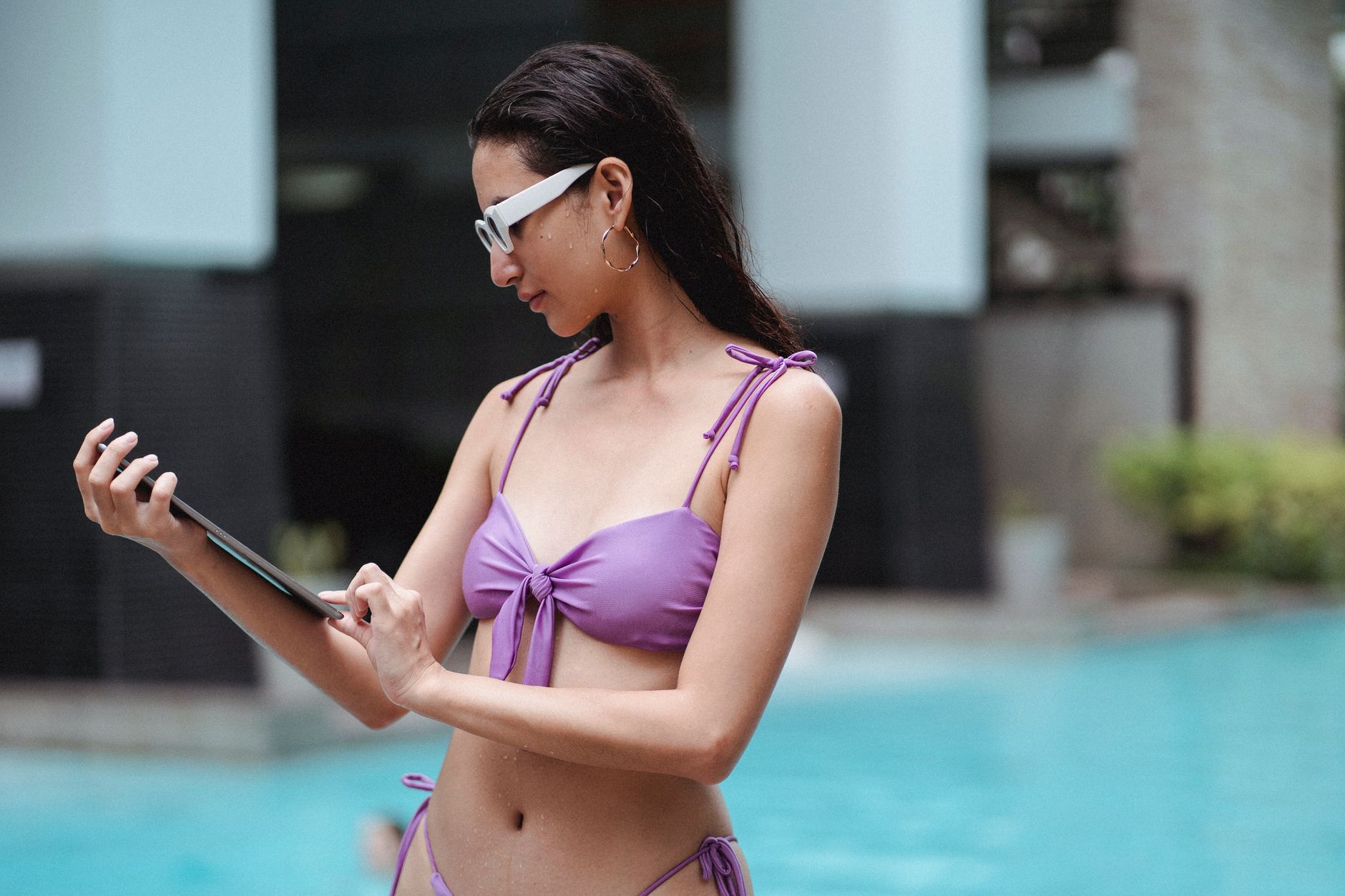
The glasses, which have been nicknamed “pervert glasses” by critics online, include products such as Meta’s Ray-Ban Display line and similar wearable devices that allow users to record video or take photos through a built-in camera hidden in the frame. Because the devices resemble ordinary eyewear, pool staff and other patrons often cannot tell when someone is filming.
What the Ban Covers
Under the new rules, lifeguards and duty managers at council-run pools are authorized to ask anyone wearing camera-equipped eyewear to remove the glasses or leave the facility. The restriction applies across change rooms, pool decks, and surrounding areas where children and adults undress or swim in close proximity to strangers.
Council officials said the decision was driven by complaints from parents and swimmers who noticed people wearing the glasses near family swim areas, as well as broader public unease about the difficulty of detecting hidden cameras built into consumer wearables. Traditional cameras and phones are typically banned or restricted in change rooms at Australian pools already, but smart glasses have exposed a gap in enforcement because they look like standard sunglasses or prescription eyewear.
“Patrons have a reasonable expectation of privacy when they’re getting changed or supervising their kids in the pool. If a device can secretly record without anyone knowing, that expectation is gone,” a council spokesperson said in a statement announcing the policy.
Part of a Wider Trend
The council is not the first in Sydney to take action. Several neighboring local government areas introduced similar restrictions earlier this year after complaints surfaced about people wearing camera glasses near pools, gyms, and public change areas. Aquatic centers in other Australian states have reportedly been reviewing their own signage and staff training in response to the same concerns.
The bans come amid a rapid rise in the popularity of AI-enabled smart glasses, which manufacturers have marketed as convenient tools for hands-free photography, navigation, and live translation. Their growing ubiquity has outpaced many venues’ policies for surveillance and recording, leaving pools, gyms, and other semi-private facilities to write new rules on the fly.
Privacy advocates have welcomed the move but say it highlights a broader regulatory gap. Unlike phones, which are easily identifiable and can be confiscated or checked, smart glasses blend in with everyday eyewear, making enforcement largely dependent on self-reporting or visible recording indicators that some devices lack or that can be disabled.
Enforcement Challenges
Council representatives acknowledged that enforcing the ban will rely heavily on staff vigilance and public reporting, since there is no reliable way to detect whether a pair of glasses contains a camera without asking the wearer directly. Signage will be installed at pool entrances and change rooms notifying visitors of the policy, and lifeguards will receive brief training on identifying common smart glasses models currently on the market.
Repeat offenders or anyone caught filming without consent could face removal from the facility and, depending on the circumstances, referral to police under existing New South Wales surveillance and voyeurism laws, which already criminalize covert recording of individuals in states of undress without consent.
A Broader Conversation on Tech and Public Spaces
The pool ban arrives as Australian regulators and lawmakers grapple more broadly with how emerging consumer technology intersects with public privacy expectations. Earlier this year, Australia moved to let users opt out of social media algorithms, part of a wider push to give citizens more control over how technology operates in their daily lives. Advocates argue that wearable cameras present a similar challenge: technology advancing faster than the rules meant to govern its use in shared public spaces.
For now, the council says it will monitor how the smart glasses policy is received by patrons and staff, with the possibility of extending similar restrictions to other recreational facilities it manages, including gyms and community centers with change rooms.
Whether other Sydney councils follow with formal bans of their own remains to be seen, but the growing number of aquatic centers taking action suggests local governments are increasingly willing to get ahead of privacy concerns tied to next-generation wearable devices rather than wait for state-level regulation to catch up.