The United States has launched a fresh wave of military strikes against Iran, Sky News reported on July 9, 2026, as President Donald Trump publicly declared, “Let’s just finish the job.” The new round of strikes marks a sharp escalation in what has become an active US military campaign targeting Iranian sites.
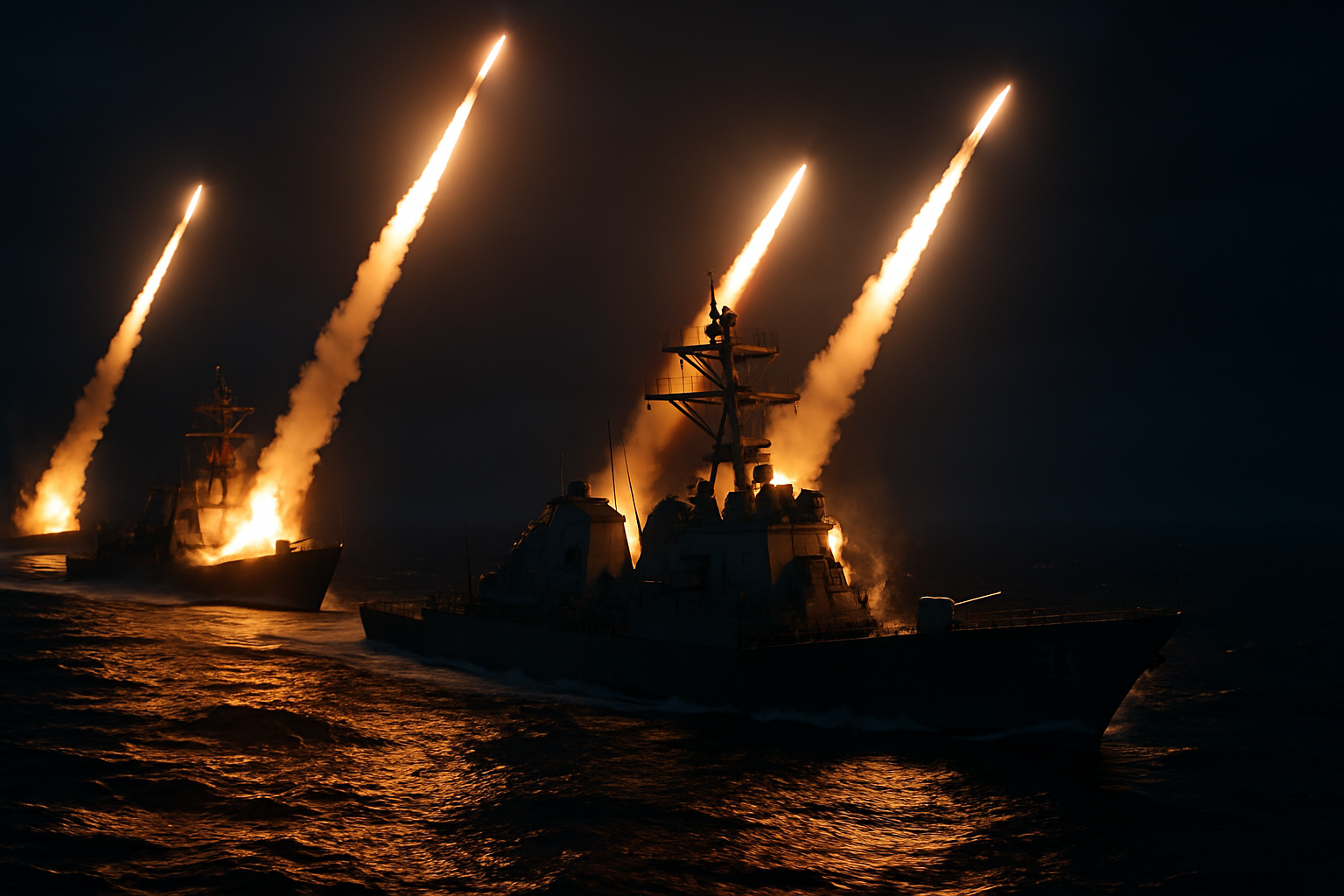
One detail not captured in the headline: US forces are operating out of forward positions in Bahrain and Kuwait, meaning American personnel are staging attacks from allied Gulf states that share close proximity to Iranian territory — a geographic reality that puts US partners directly in Iran’s line of potential retaliation.
What the latest US Iran strikes targeted
According to Sky News, this round of strikes hits Iranian military infrastructure, continuing a pattern of US operations that began earlier in the conflict. The Pentagon has not released a full target list, but officials have indicated the campaign is focused on degrading Iran’s capacity to project force across the region — including its ability to threaten shipping lanes.
The Strait of Hormuz remains a flashpoint. Iran had already resumed attacks on vessels transiting the strait, a chokepoint through which roughly 20 percent of the world’s oil supply flows. Iran’s resumed Strait of Hormuz attacks had already rattled energy markets before this latest US escalation, and oil prices are expected to face renewed pressure.
Trump’s ‘finish the job’ framing raises the stakes
Trump’s public framing — “let’s just finish the job” — signals that the White House views this as a campaign with a defined end state, not an open-ended deterrence operation. That language will be watched closely by US allies in Europe and the Gulf, who have backed American pressure on Iran’s nuclear program but have been more cautious about full-scale military action.
The statement also sets a political clock. If Iranian military capacity is not visibly degraded in a timeframe consistent with “finishing,” the administration will face pressure to either define what success looks like or escalate further. Neither path is straightforward.
Gulf allies are in the blast radius — diplomatically and physically
The use of Bahrain and Kuwait as operational bases is a significant fact on its own. Both countries host major US military installations: Bahrain is home to the US Navy’s Fifth Fleet, and Kuwait has served as a staging hub for American land forces for decades. Iran has historically threatened to hold Gulf host nations accountable for US operations launched from their soil.
That threat is no longer hypothetical. Any Iranian counterstrikes — missile barrages, drone swarms, or proxy attacks — could land in Manama or Kuwait City, not just on US assets. Gulf Cooperation Council members are navigating one of the most exposed positions they have faced in years.
Iran’s nuclear program and what military pressure can and can’t do
The underlying driver of the conflict is Iran’s nuclear program, which international monitors have assessed as advancing steadily toward weapons-grade enrichment capacity. US strikes can destroy enrichment facilities, missile stockpiles, and command infrastructure — but they cannot permanently eliminate the knowledge base or political will that drives the program.
Past strikes on nuclear infrastructure, including Israeli operations against Iranian sites in 2024 and 2025, slowed but did not halt Tehran’s progress. That history shapes how analysts read Trump’s “finish the job” pledge — as an expression of intent rather than a guaranteed outcome.
Iran’s response posture will also depend on internal dynamics. The Iranian government faces economic pressure from sanctions, a restive domestic population, and a military establishment that has already absorbed significant losses. Whether those pressures produce negotiation or escalation is an open question that no outside actor can fully predict.
Energy markets and global shipping face immediate fallout
Beyond the battlefield, the conflict’s economic ripple effects are landing fast. The Strait of Hormuz carries oil from Saudi Arabia, Iraq, the UAE, Kuwait, and Iran itself. Any sustained closure or credible threat of closure sends insurance premiums for tankers spiking and pushes Brent crude upward.
Shipping companies and cargo insurers have already been rerouting vessels away from the strait in response to Iran’s earlier attacks. A full US-Iran war footing would force more drastic rerouting around the Cape of Good Hope — adding weeks and significant cost to global supply chains already under strain.
The next 48 to 72 hours are the immediate watch window. Iran’s military and its proxy networks across Iraq, Syria, Yemen, and Lebanon will be under pressure to respond visibly to preserve deterrence credibility. Whether that response targets US bases, Gulf infrastructure, or Israeli territory will define whether this escalation stays contained or spreads into a broader regional war.